By ICS International Certification LLP
Radiographic Testing (RT) is one of the most reliable and widely used non-destructive testing (NDT) techniques for evaluating the internal integrity of industrial equipment. At ICS International Certification LLP, we provide advanced radiographic inspection services to ensure safety, compliance, and quality across critical industries.
What is Radiographic Testing?
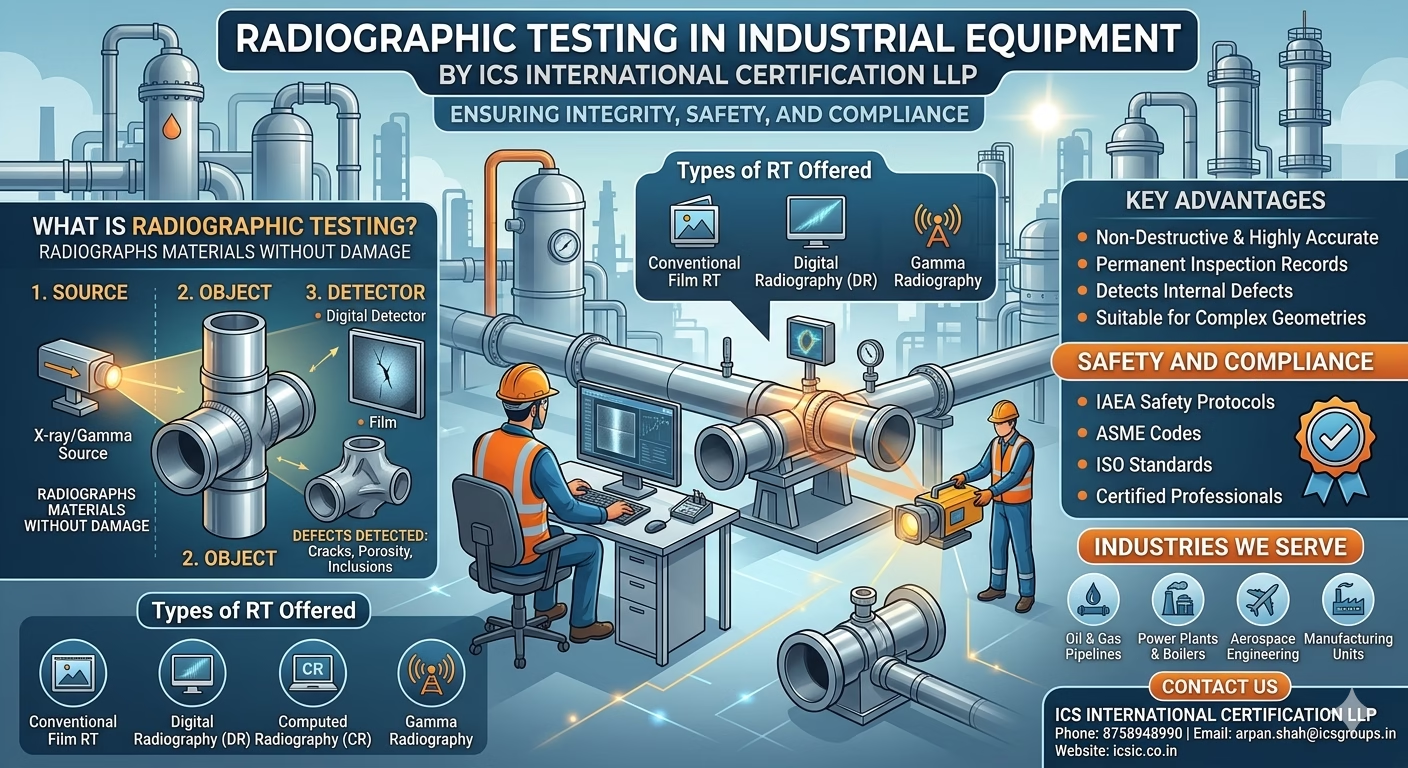
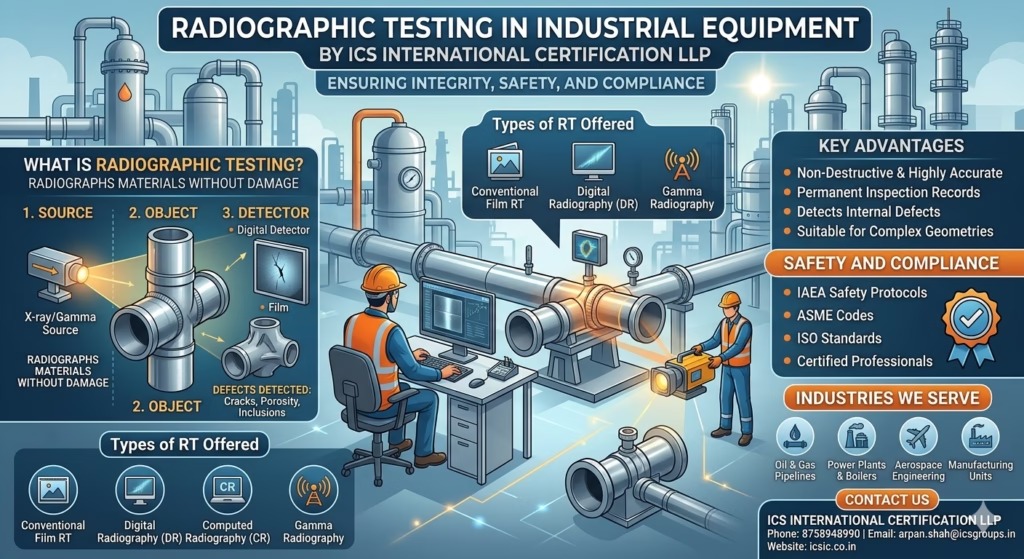
Radiographic Testing is a method that uses X-rays or gamma rays to examine the internal structure of materials and components without causing any damage. The radiation penetrates the object and produces an image on film or a digital detector, allowing inspectors to identify hidden defects that cannot be seen from the surface.
Importance in Industrial Equipment
Industrial equipment such as pipelines, pressure vessels, boilers, and structural components must operate under extreme conditions. Any internal defect can lead to serious failures. RT plays a crucial role in:
- Ensuring weld quality and integrity
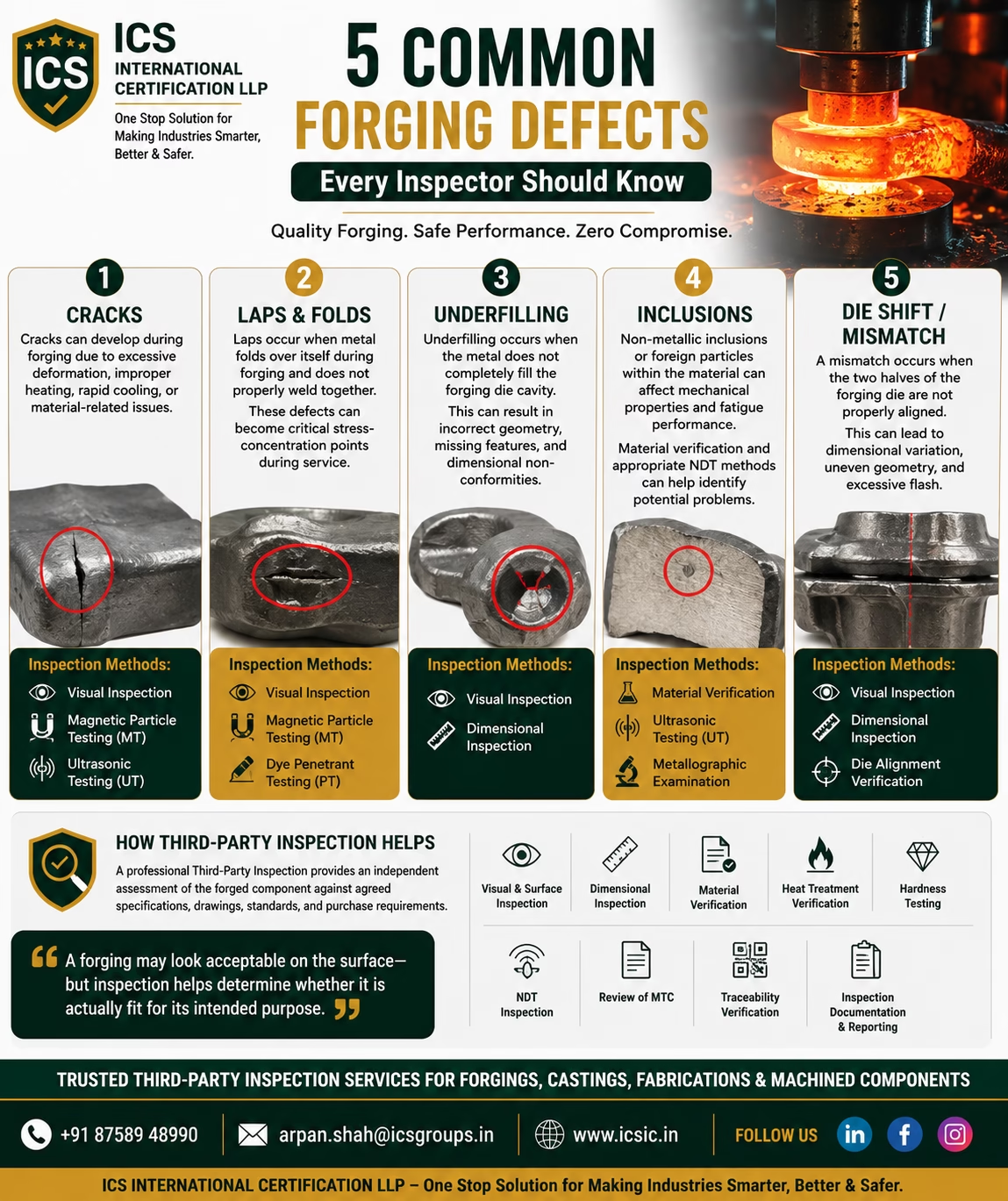
- Detecting manufacturing defects in castings and forgings
- Preventing costly breakdowns and downtime
- Enhancing operational safety and reliability
How Radiographic Testing Works
The process involves placing a radiation source on one side of the test object and a detector on the opposite side. As radiation passes through the material, variations in thickness and density create a contrast image. Defects such as cracks, porosity, and inclusions appear clearly in the radiograph for evaluation by certified professionals.
Applications of RT
At ICS International Certification LLP, Radiographic Testing is extensively used in:
- Oil & Gas pipelines and refineries
- Power plants and boilers
- Petrochemical industries
- Fabrication and manufacturing units
- Aerospace and heavy engineering sectors
Types of Radiographic Testing
We offer multiple RT techniques based on client requirements:
- Conventional Film Radiography – High-resolution imaging using film
- Digital Radiography (DR) – Faster results with real-time imaging
- Computed Radiography (CR) – Flexible and efficient digital solution
- Gamma Radiography – Ideal for field inspections using isotopes
Defects Detected
Radiographic Testing is highly effective in identifying:
- Cracks and fractures
- Porosity and blowholes
- Slag inclusions
- Lack of fusion in welds
- Internal voids and cavities
Advantages of Radiographic Testing
- Non-destructive and highly accurate
- Provides permanent inspection records
- Detects internal defects with precision
- Suitable for complex geometries
Safety and Compliance
Safety is a top priority in radiographic testing. Our team strictly follows international guidelines and standards, including:
- International Atomic Energy Agency safety protocols
- American Society of Mechanical Engineers codes
- International Organization for Standardization standards
All inspections are carried out by certified professionals using calibrated equipment to ensure compliance and reliability.
Why Choose ICS International Certification LLP?
- Experienced and certified NDT professionals
- Advanced radiographic testing equipment
- Commitment to safety and quality
- Timely and accurate inspection reports
- Serving multiple industries across India
Conclusion
Radiographic Testing is an essential tool for maintaining the integrity and safety of industrial equipment. By detecting internal defects early, it helps industries avoid failures, reduce downtime, and ensure long-term performance.
At ICS International Certification LLP, we are dedicated to delivering trusted, precise, and high-quality radiographic testing services to support your operational excellence.