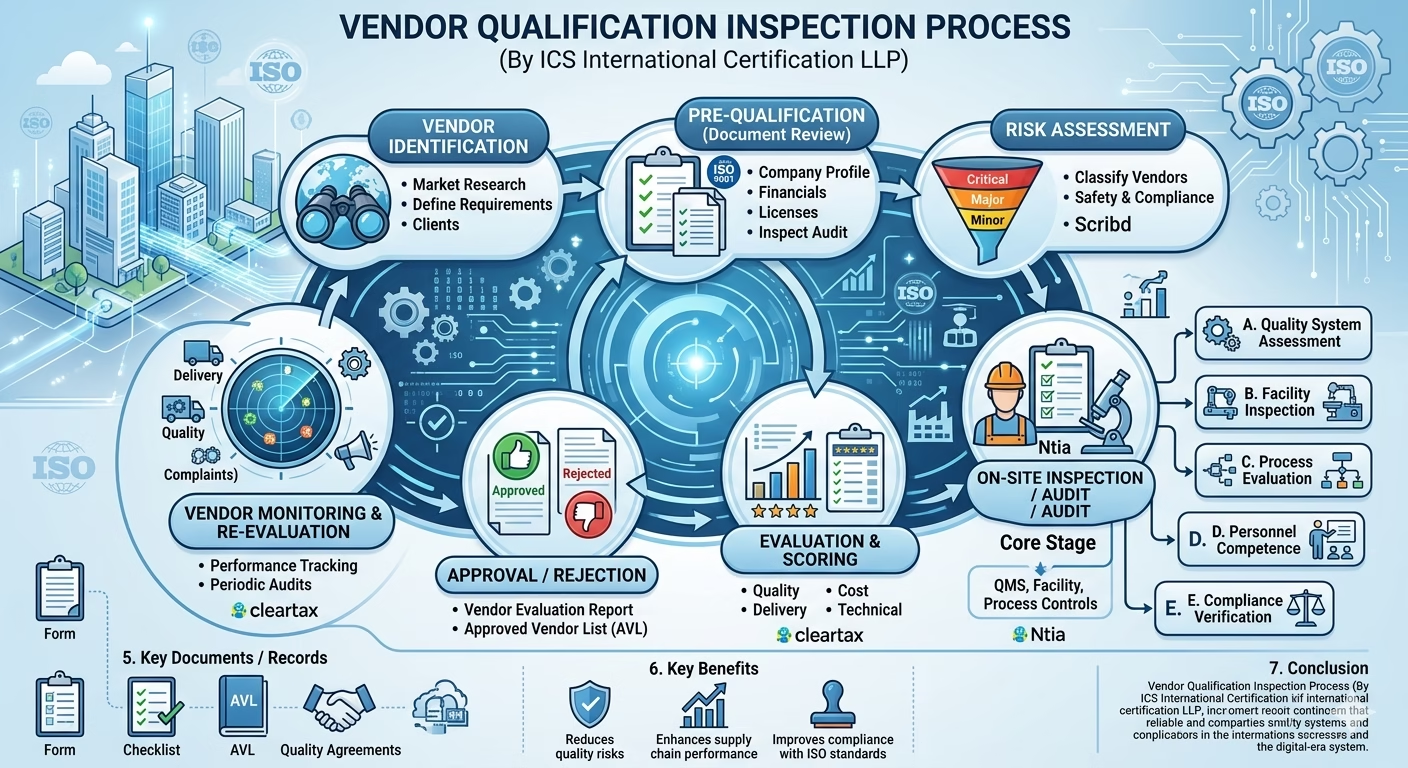
By ICS International Certification LLP
1. Purpose
To ensure that all vendors/suppliers meet defined quality, technical, regulatory, and performance requirements before approval and inclusion in the Approved Vendor List (AVL).
2. Scope
Applicable to:
- Raw material suppliers
- Service providers
- Contractors / subcontractors
- Equipment manufacturers
3. Process Flow Overview
- Vendor Identification
- Pre-Qualification (Document Review)
- Risk Assessment
- On-site Inspection / Audit
- Evaluation & Scoring
- Approval / Rejection
- Vendor Monitoring & Re-evaluation
4. Detailed Process
4.1 Vendor Identification
- Identify potential vendors through:
- Market research
- References / past experience
- Client requirements
- Define requirements:
- Technical specifications
- Quality standards
- Delivery expectations (Liberty Management Group LTD)
4.2 Pre-Qualification (Document Review)
Collect and review vendor documents:
- Company profile
- ISO certifications (e.g., ISO 9001)
- Financial stability records
- Previous project experience
- Licenses & statutory compliance
👉 Objective: Ensure vendor meets basic legal and technical requirements (Inspect Audit)
4.3 Risk Assessment
- Classify vendors as:
- Critical
- Major
- Minor
- Criteria:
- Product/service impact
- Safety & compliance risk
- Supply criticality
👉 High-risk vendors require detailed audits and inspections (Scribd)
4.4 Vendor Inspection / Audit (Core Stage)
A. Quality System Assessment
- Quality Management System (QMS)
- SOPs & procedures
- Calibration & testing controls
B. Facility Inspection
- Infrastructure & layout
- Machinery & equipment condition
- Maintenance practices
C. Process Evaluation
- Manufacturing / service processes
- Process controls & traceability
- Inspection & testing methods
D. Personnel Competence
- Qualification of staff
- Training records
E. Compliance Verification
- Regulatory compliance
- Safety & environmental practices
👉 Vendor inspection ensures conformity with specifications and standards before approval (Ntia)
4.5 First Article / Sample Inspection (If Applicable)
- Inspection of:
- First product sample
- Pilot batch
- Verification of:
- Design compliance
- Product performance
👉 Confirms production capability and consistency (Inspect Audit)
4.6 Evaluation & Scoring
Use a structured scorecard based on:
- Quality
- Cost
- Delivery
- Technical capability
- Compliance
👉 Assign weighted scores and rank vendors (cleartax)
4.7 Approval / Rejection
- Prepare Vendor Evaluation Report
- Decision criteria:
- Approved
- Conditionally Approved
- Rejected
- Approved vendors added to:
Approved Vendor List (AVL)
4.8 Agreement & Onboarding
- Sign Quality Agreement including:
- Scope of supply
- Inspection requirements
- Non-conformance handling
- Communication protocol
4.9 Vendor Performance Monitoring
- Continuous evaluation based on:
- Delivery performance
- Product quality
- Complaints / NCRs
- Responsiveness
👉 Ongoing monitoring ensures continuous improvement (cleartax)
4.10 Re-Qualification / Periodic Audit
- Frequency:
- Annually or based on risk
- Activities:
- Surveillance audits
- Performance review
- Compliance verification
5. Key Documents / Records
- Vendor Registration Form
- Vendor Audit Checklist
- Inspection Reports
- Vendor Scorecard
- Approved Vendor List (AVL)
- Quality Agreements
6. Key Benefits
- Ensures supplier reliability
- Reduces quality risks
- Improves compliance with ISO standards
- Enhances supply chain performance