Global buyers want more proof from suppliers before dispatch. They want to know that products match specifications, materials are traceable, instruments are calibrated and final inspection evidence is clear. This is why vendor inspection and supplier due diligence matter.
Independent inspection helps suppliers convert claims into evidence. Quality records, material traceability, calibration certificates, safety training and statutory inspection reports all support stronger supplier and buyer confidence.
Why buyers are asking more questions
A weak supplier can create shipment rejection, safety incidents, product recalls, compliance pressure and reputational damage. That is why procurement teams are evaluating vendors more deeply. They want to understand how suppliers manage quality, safety, environment, traceability and corrective action.
For suppliers, this is an opportunity. A company with strong inspection records and disciplined compliance can stand out during vendor approval.
Inspection records show whether products meet specifications before dispatch.
Training and statutory inspection records show that workplace risks are being controlled.
Material and batch records help buyers understand what was used and where it went.
Corrective actions, audits and approvals show that issues are handled systematically.
What suppliers should be ready to show
| Evidence area | Examples |
|---|---|
| Product quality | Inspection reports, test records, acceptance criteria and final release notes. |
| Measurement control | Calibration certificates and instrument identification records. |
| Safety compliance | Training records, pressure vessel inspection, lift/hoist inspection and emergency readiness. |
| Supplier management | Vendor audits, supplier ratings, corrective action records and performance monitoring. |
Independent inspection turns statements into proof
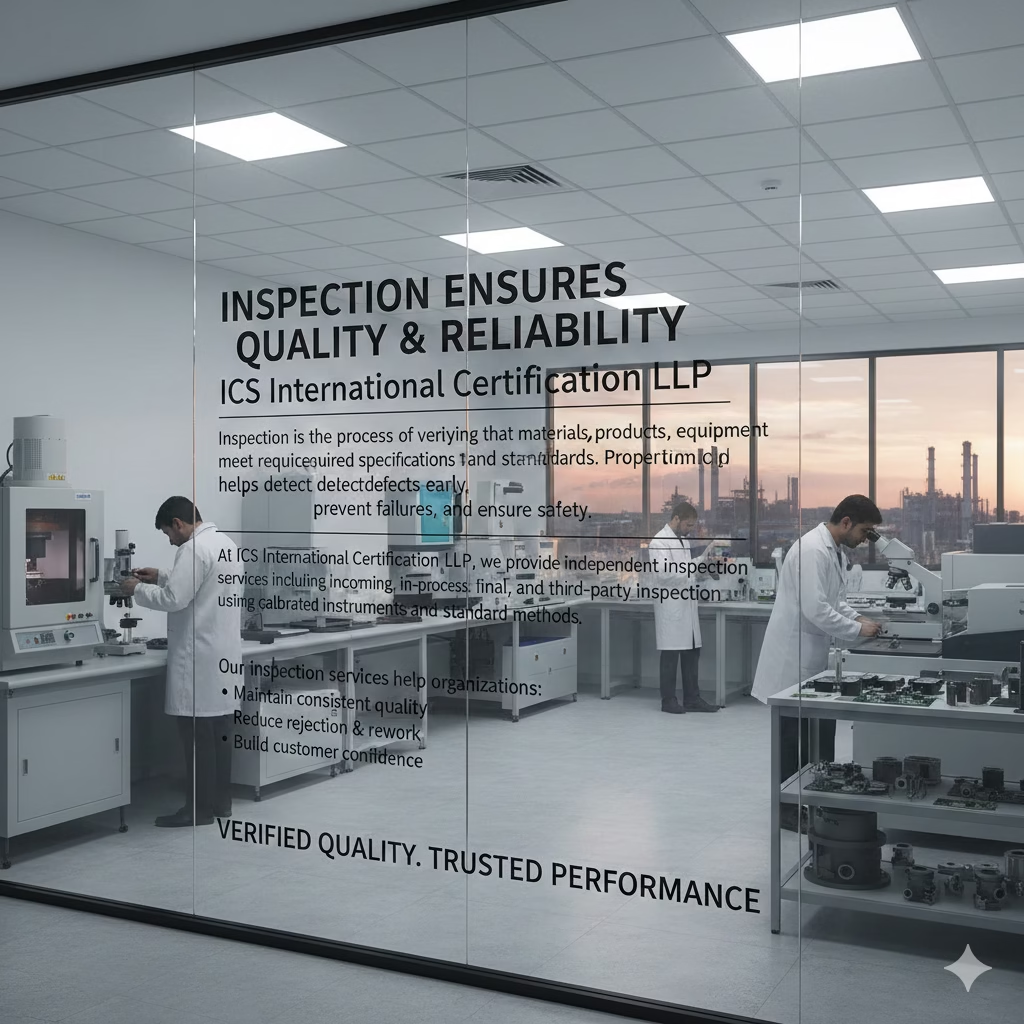
Self-declarations have limited value when buyers need confidence. Independent inspection gives a neutral technical view of whether products, materials, processes and documents meet requirements. It can support vendor qualification, material inspection, manufacturing inspection, equipment inspection and pre-shipment release.
Supplier due diligence checklist
- Maintain updated quality and compliance records
- Keep material traceability organized
- Verify calibration status of measuring instruments
- Document safety and emergency response training
- Close non-conformities with evidence
- Use independent inspection for critical orders
- Keep buyer communication clear and record-based
Make supplier confidence visible
Supplier confidence improves when quality, safety and compliance records are easy to verify. Independent inspection, calibration records, training evidence and corrective action discipline all help turn supplier performance into something buyers can trust.
Build trust with evidence
Use inspection and compliance records to make supplier performance clearer, stronger and easier to review.