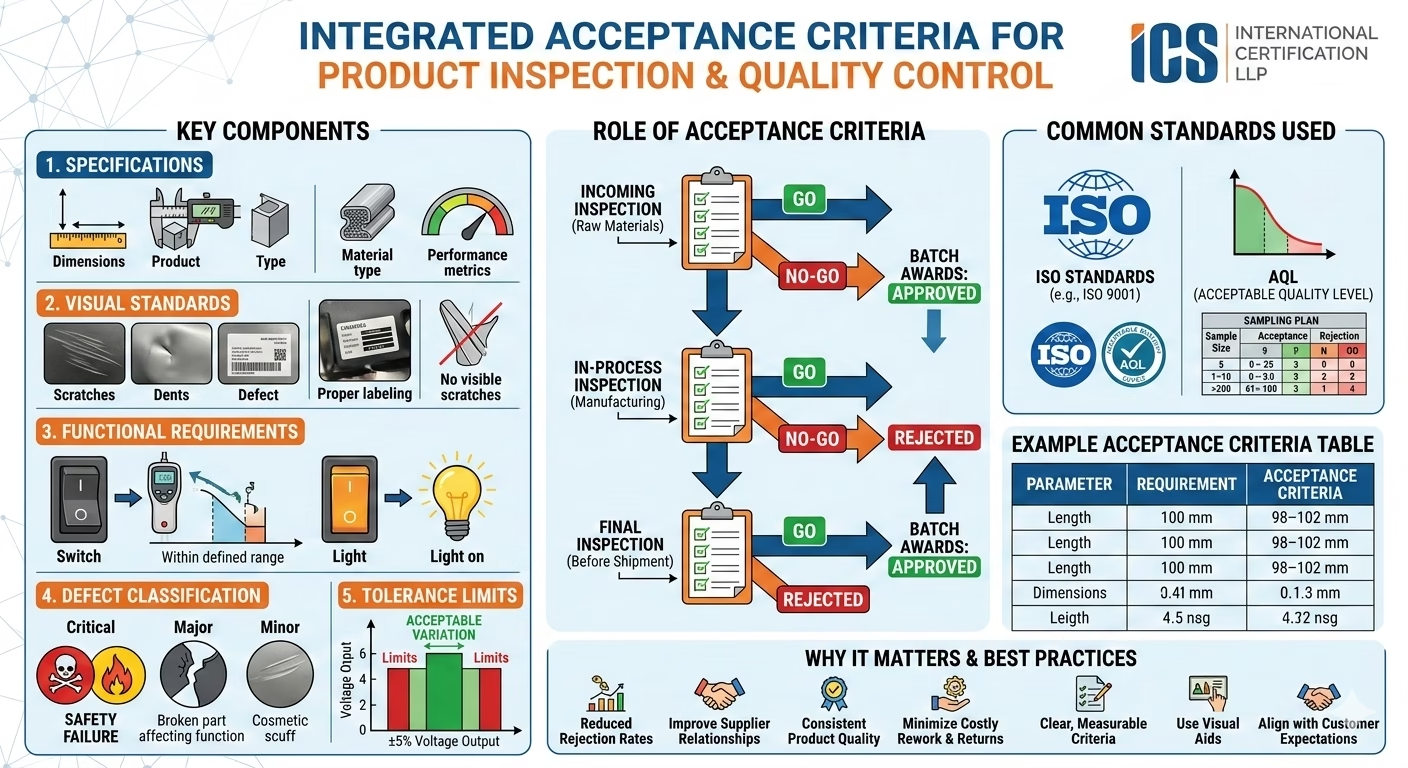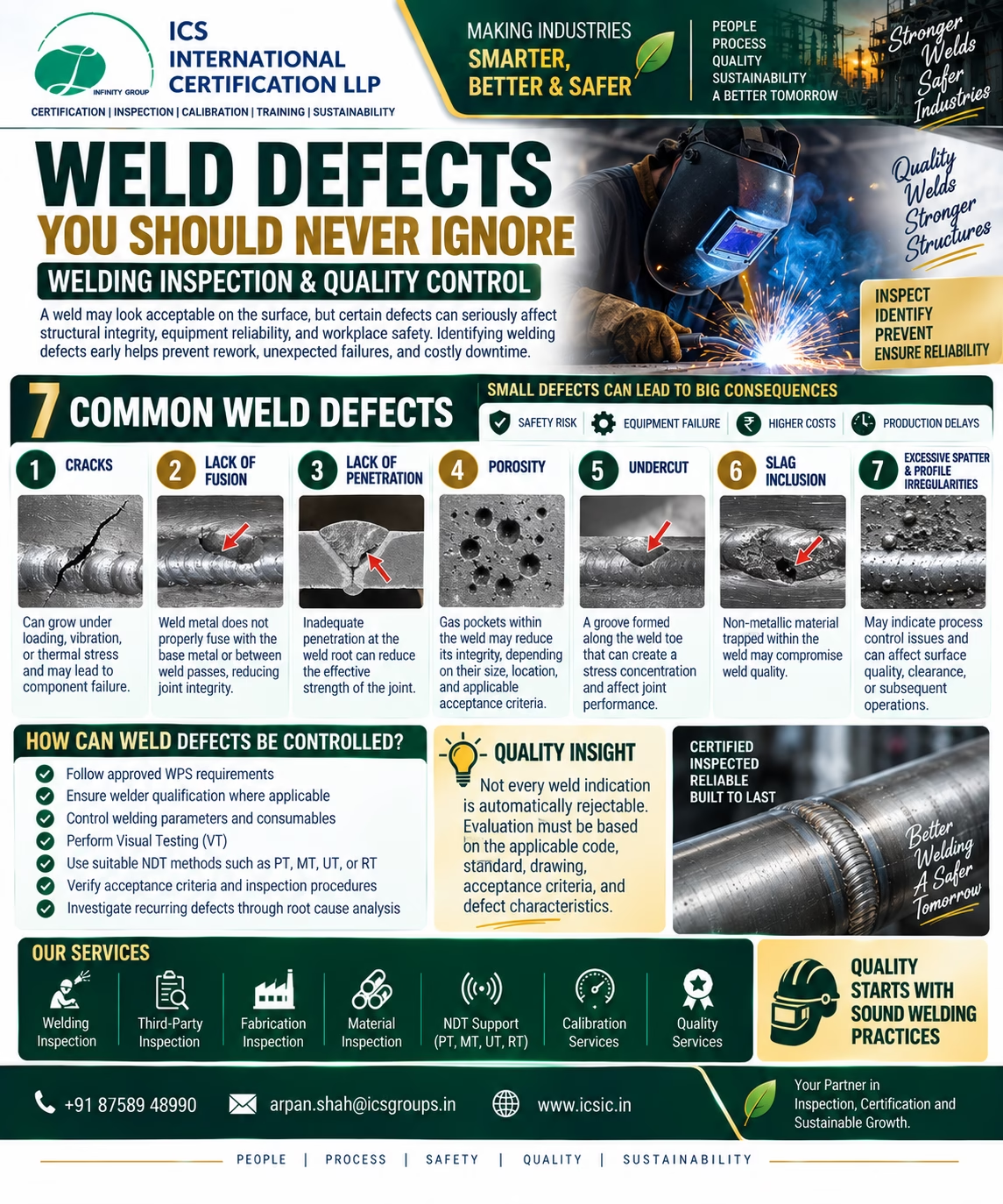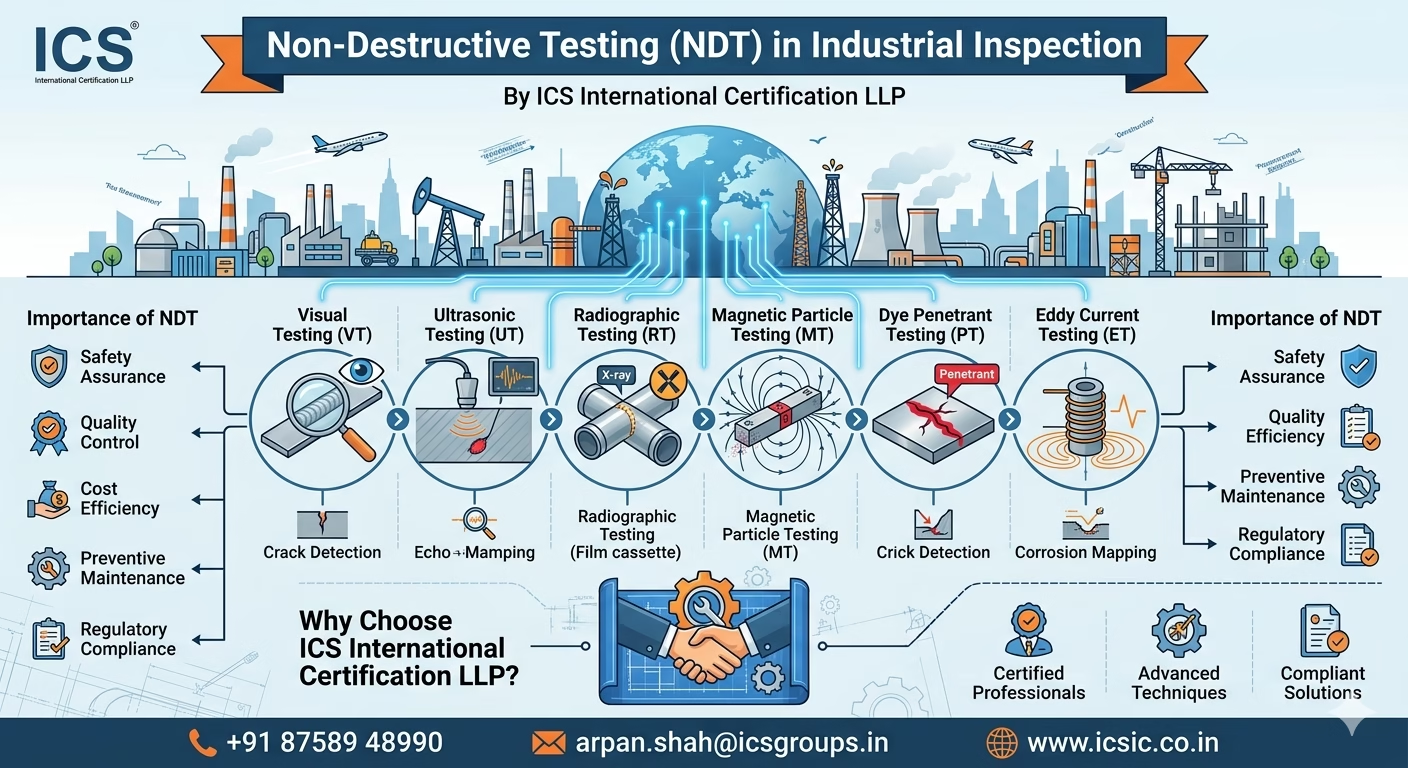
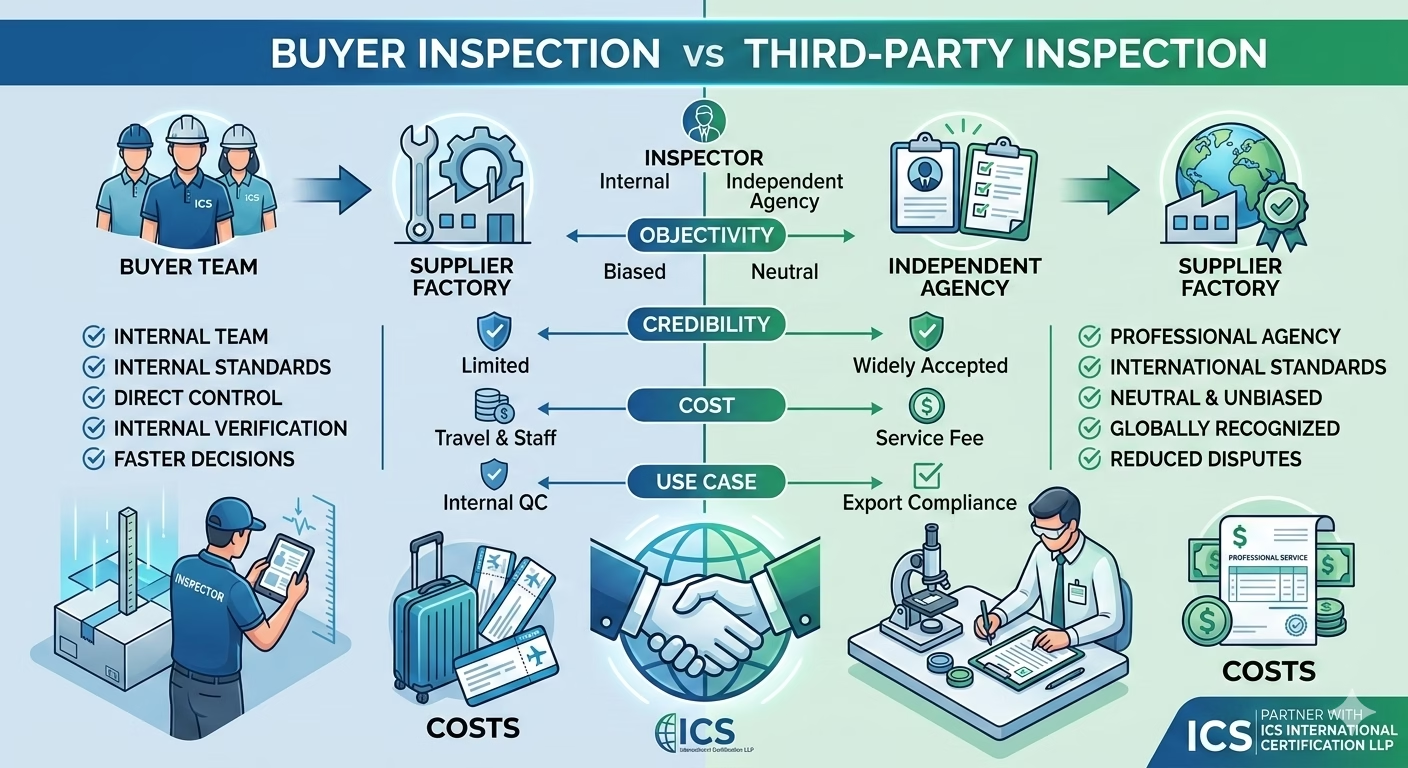
In product manufacturing and international trade, inspections help ensure quality and compliance. Two common approaches are Buyer Inspection and Third-Party Inspection, each serving different purposes.
Buyer Inspection
Buyer Inspection is conducted by the buyer’s internal quality team. The buyer sends their own inspectors to the supplier’s facility to check whether the products meet their specific requirements.
Key Points:
- Performed by the buyer’s in-house team
- Focuses on buyer-specific standards
- Direct control over the inspection process
- May lack independent verification
Third-Party Inspection
Third-Party Inspection is carried out by an independent inspection agency that is not involved in the buyer–supplier relationship. Companies like ICS International Certification LLP provide unbiased inspections to verify product quality and compliance.
Key Points:
- Conducted by independent professionals
- Provides neutral and credible inspection reports
- Widely accepted in global trade
- Helps reduce disputes between buyers and suppliers
Key Difference
The main difference lies in independence and credibility. Buyer inspections are controlled by the purchasing company, while third-party inspections provide objective and internationally recognized verification.
For businesses involved in exports and supplier verification, third-party inspection services from ICS International Certification LLP can add reliability and transparency to the supply chain.