ISO 30000:2009 – Building a Safer and Greener Future Through Responsible Ship Recycling
As thousands of commercial vessels reach the end of their operational life every year, responsible ship recycling has become increasingly important for protecting workers, safeguarding the environment, and recovering valuable resources.
Ship recycling involves dismantling large vessels that may contain hazardous materials such as asbestos, oils, heavy metals, chemicals, and contaminated equipment. Without proper management, these activities can create significant risks to human health and the environment.
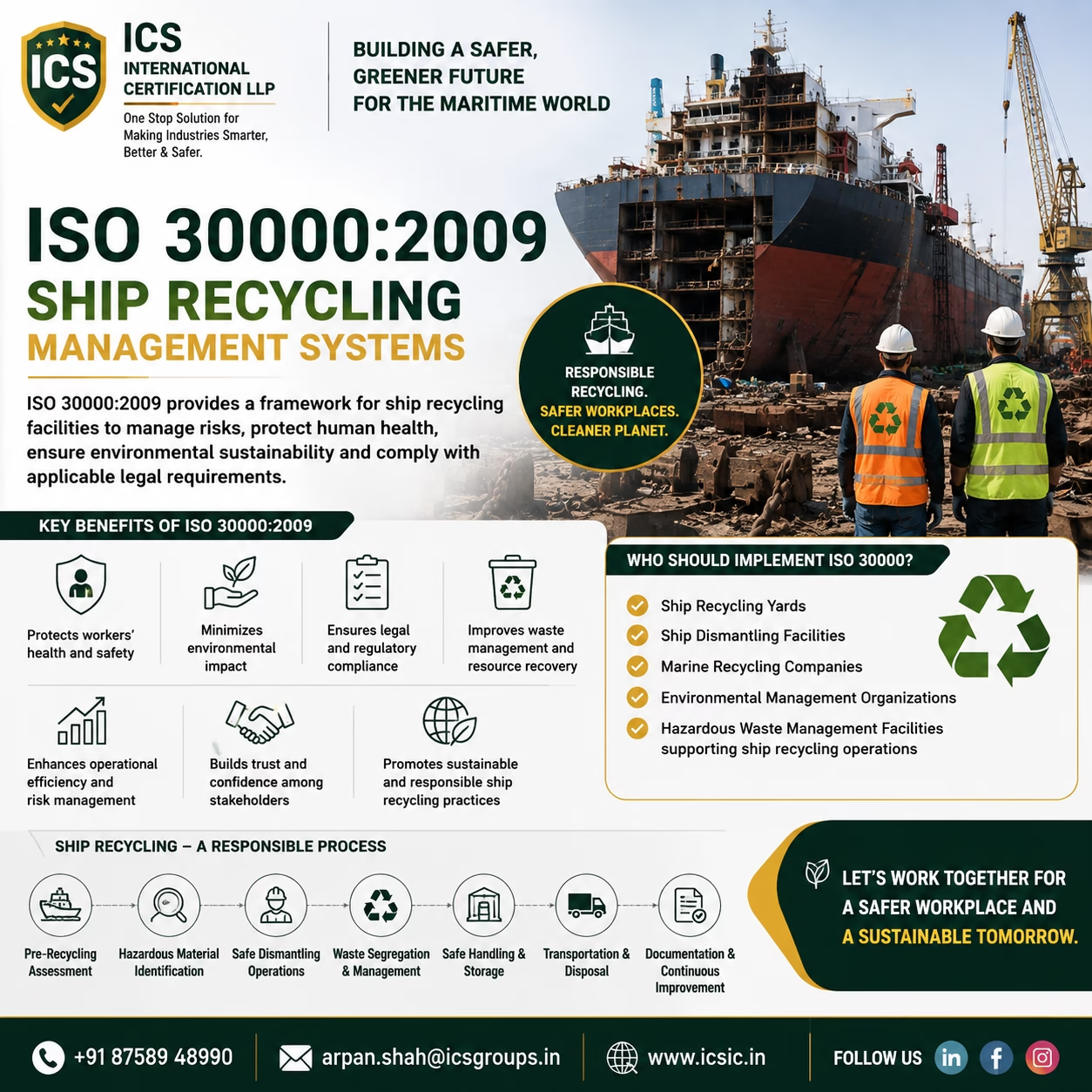
To address these challenges, ISO 30000:2009 – Ship Recycling Management Systems (SRMS) provides an internationally recognized framework that enables ship recycling facilities to conduct operations safely, responsibly, and in compliance with applicable legal requirements.
At ICS International Certification LLP, we help organizations implement internationally accepted management system standards that improve operational excellence, regulatory compliance, and sustainability.
What is ISO 30000:2009?
ISO 30000:2009 specifies the requirements for establishing, implementing, maintaining, and continually improving a Ship Recycling Management System (SRMS).
The standard helps organizations:
- Protect workers during dismantling operations
- Minimize environmental pollution
- Manage hazardous materials safely
- Improve operational efficiency
- Comply with national and international regulations
- Promote sustainable recycling practices
ISO 30000 supports organizations in integrating safety, environmental responsibility, and operational controls into every stage of the ship recycling process.
Why ISO 30000 Matters
The global maritime industry is placing greater emphasis on environmentally responsible ship recycling. Governments, ship owners, and stakeholders increasingly expect recycling facilities to demonstrate safe working practices and environmental stewardship.
Implementing ISO 30000 helps organizations meet these expectations while improving business performance and strengthening customer confidence.
Key Benefits of ISO 30000:2009
1. Protects Workers’ Health and Safety
The standard helps identify workplace hazards and establish safe dismantling procedures, reducing occupational injuries and health risks.
2. Reduces Environmental Impact
ISO 30000 promotes responsible handling of hazardous substances, pollution prevention, and environmentally sound recycling practices.
3. Supports Legal and Regulatory Compliance
Organizations can establish structured processes to comply with applicable environmental, occupational health, and maritime regulations.
4. Improves Waste Management
The standard encourages proper segregation, storage, transportation, recycling, and disposal of waste generated during ship dismantling.
5. Enhances Operational Efficiency
Standardized procedures reduce operational risks, improve resource utilization, and increase productivity.
6. Builds Customer and Stakeholder Confidence
Certification demonstrates an organization’s commitment to responsible ship recycling, strengthening trust among ship owners, regulators, investors, and business partners.
7. Promotes Sustainable Resource Recovery
Recovering reusable steel, equipment, and materials supports the circular economy while minimizing waste.
Who Should Implement ISO 30000?
ISO 30000 is suitable for organizations involved in:
- Ship Recycling Yards
- Ship Dismantling Facilities
- Marine Recycling Companies
- Ship Breaking Facilities
- Hazardous Waste Management Companies
- Maritime Environmental Service Providers
- Port Authorities involved in recycling operations
Typical Ship Recycling Process
A systematic recycling process generally includes:
- Pre-recycling assessment
- Hazardous material identification
- Safe dismantling operations
- Waste segregation and management
- Safe storage of recyclable materials
- Transportation and disposal
- Documentation and continual improvement
Each stage requires careful planning to ensure worker safety and environmental protection.
Why ISO 30000 is Important for the Maritime Industry
Responsible ship recycling contributes to:
- Cleaner oceans and coastal environments
- Safer workplaces
- Reduced pollution
- Improved regulatory compliance
- Sustainable resource utilization
- Better corporate reputation
- Enhanced ESG (Environmental, Social & Governance) performance
As sustainability becomes a priority across the maritime sector, ISO 30000 provides organizations with a practical framework for responsible end-of-life vessel management.
Why Choose ICS International Certification LLP?
ICS International Certification LLP provides professional certification services that help organizations demonstrate compliance with internationally recognized management system standards.
Our Services Include:
- ISO 30000 Certification
- Management System Audits
- Gap Assessment
- Documentation Review
- Internal Audit Support
- Surveillance Audits
- Recertification Audits
Our experienced auditors support organizations throughout the certification journey with a transparent and value-driven approach.
Conclusion
Responsible ship recycling is essential for protecting people, preserving the environment, and supporting sustainable maritime operations.
ISO 30000:2009 provides ship recycling organizations with a structured management system that enhances safety, regulatory compliance, operational efficiency, and environmental performance.
By adopting ISO 30000, organizations demonstrate their commitment to responsible recycling practices while building trust with customers, regulators, and stakeholders.
At ICS International Certification LLP, we are committed to helping organizations achieve internationally recognized certification and contribute to a safer, greener maritime industry.
Frequently Asked Questions (FAQs)
What is ISO 30000:2009?
ISO 30000:2009 is the international standard for Ship Recycling Management Systems (SRMS), providing requirements for safe, environmentally responsible, and compliant ship recycling operations.
Who should implement ISO 30000?
Ship recycling yards, ship dismantling facilities, marine recycling companies, and organizations involved in end-of-life vessel recycling can benefit from implementing ISO 30000.
What are the main benefits of ISO 30000?
Key benefits include improved worker safety, environmental protection, regulatory compliance, efficient waste management, sustainable recycling, and enhanced stakeholder confidence.
Is ISO 30000 applicable worldwide?
Yes. ISO 30000 is an international standard that can be adopted by ship recycling facilities across the globe, subject to local legal and regulatory requirements.
Contact ICS International Certification LLP
📞 +91 87589 48990
One Stop Solution for Making Industries Smarter, Better & Safer.