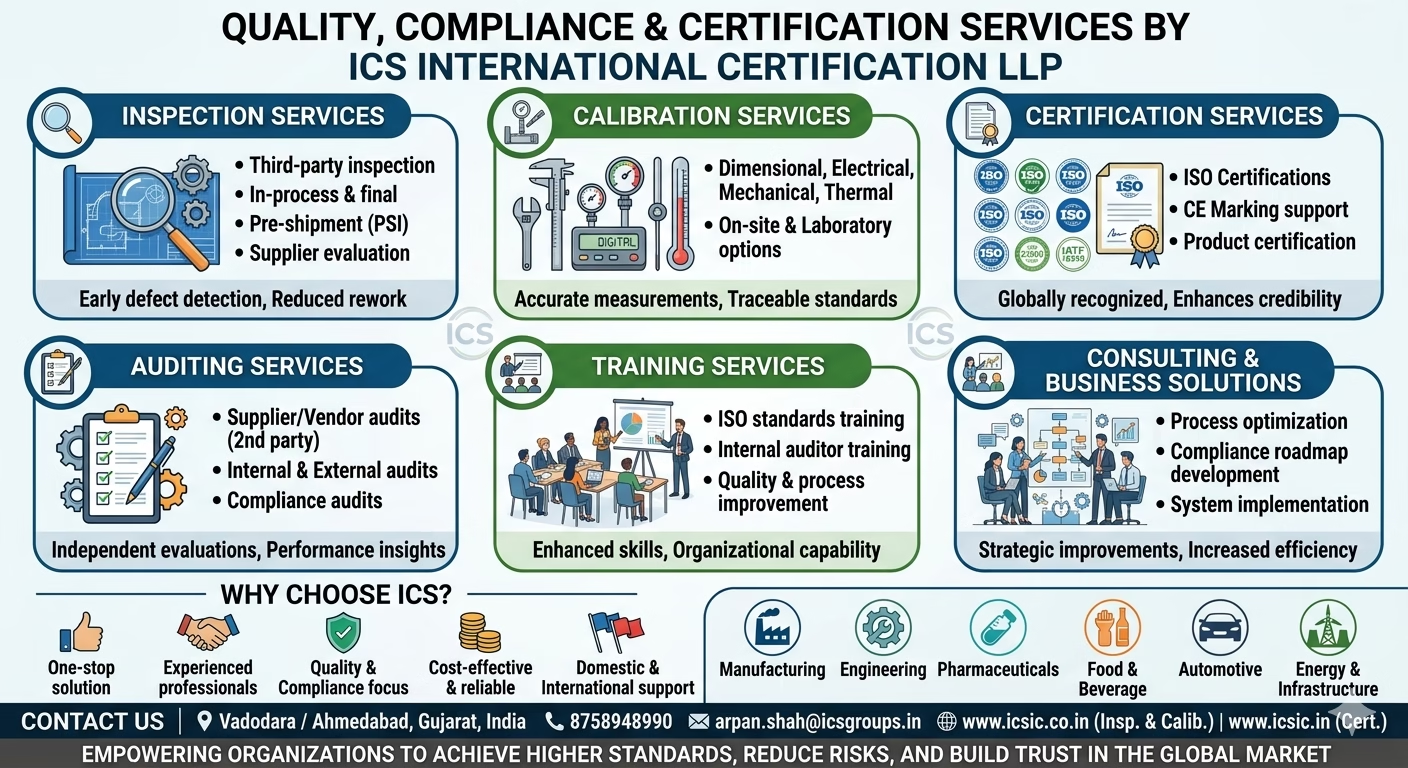
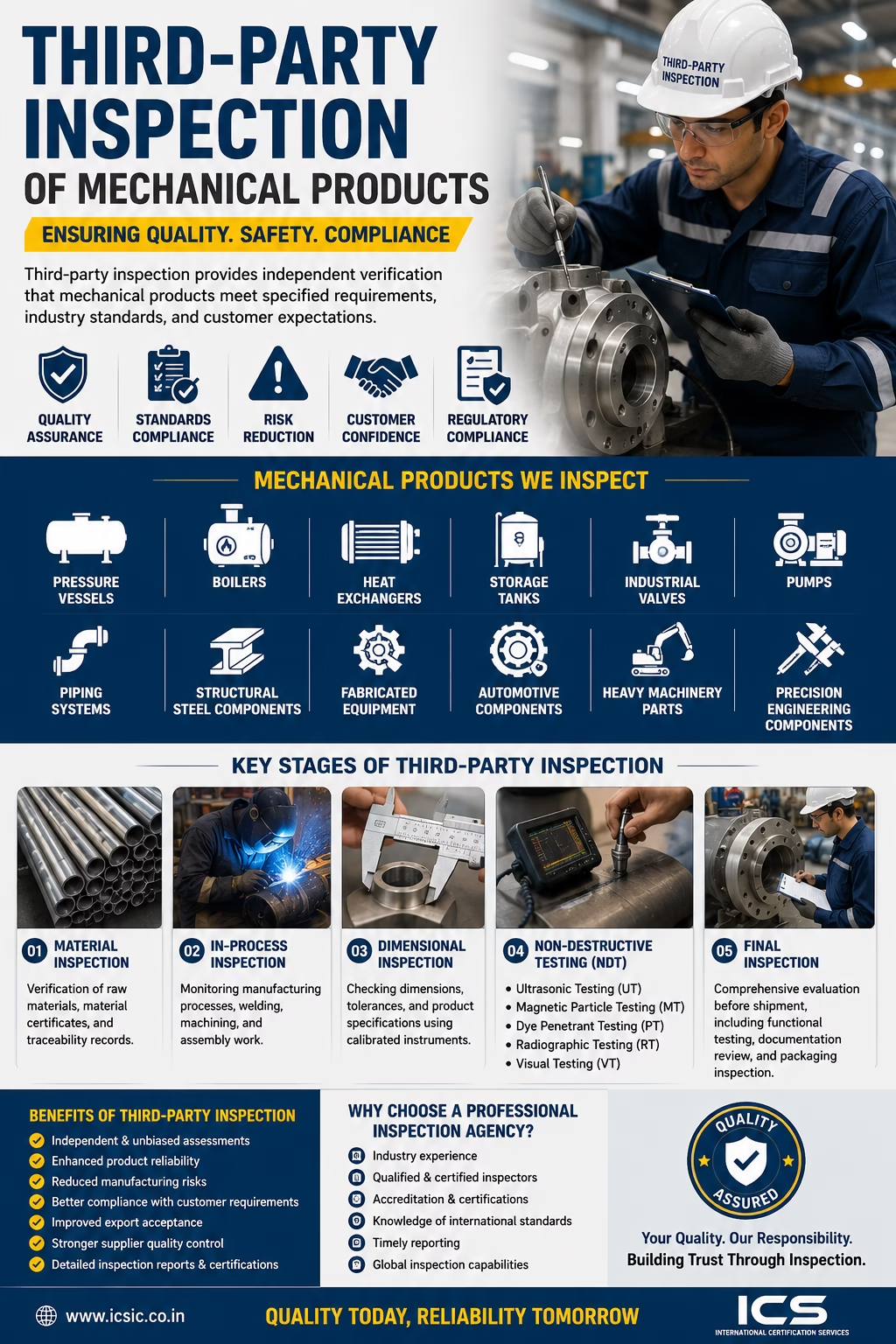
In today’s competitive manufacturing environment, maintaining the quality and reliability of mechanical products is crucial. Third-party inspection services provide independent verification that products meet specified requirements, industry standards, and customer expectations. Whether you manufacture industrial equipment, automotive components, pressure vessels, pipelines, or fabricated structures, third-party inspection helps ensure compliance and reduce risks.
What is Third-Party Inspection?
Third-party inspection is an independent assessment conducted by a qualified inspection agency to verify that mechanical products comply with technical specifications, applicable standards, and contractual requirements. Unlike internal quality checks, third-party inspections offer unbiased evaluations, enhancing confidence among customers, suppliers, and regulatory authorities.
Importance of Third-Party Inspection in Mechanical Manufacturing
1. Quality Assurance
Third-party inspectors verify dimensions, material quality, workmanship, and functional performance to ensure products meet required standards.
2. Compliance with International Standards
Inspection services help manufacturers comply with standards such as:
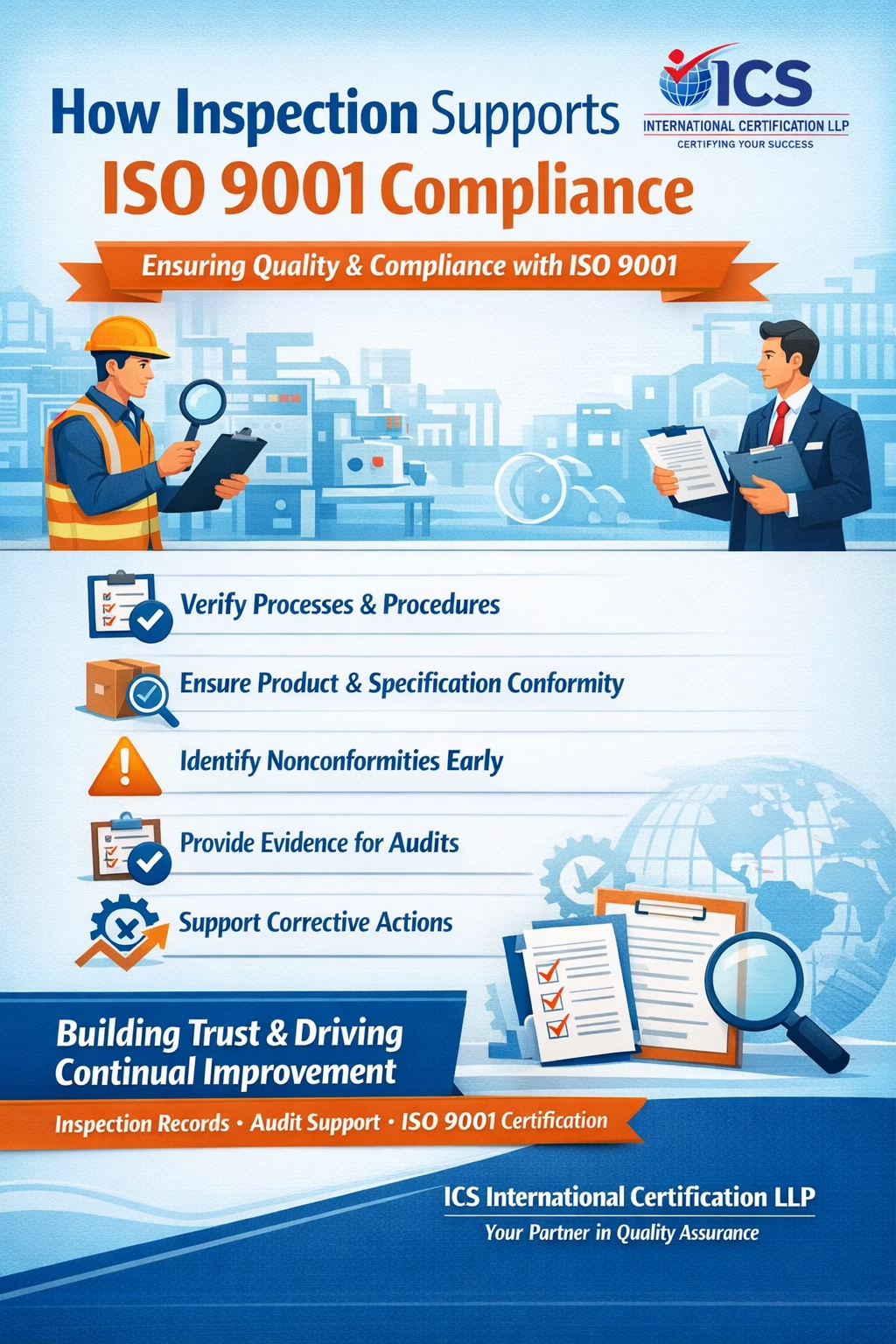
- ISO 9001 Quality Management System
- ASME Standards
- API Standards
- ASTM Standards
- EN Standards
- IS Standards (BIS)
3. Risk Reduction
Independent inspections identify defects and non-conformities before shipment, reducing costly rework, warranty claims, and customer complaints.
4. Improved Customer Confidence
Certified inspection reports demonstrate product quality and build trust with clients, especially in international trade.
5. Regulatory Compliance
Many industries require independent inspections to comply with safety regulations and statutory requirements.
Types of Mechanical Products Commonly Inspected
- Pressure Vessels
- Boilers
- Heat Exchangers
- Storage Tanks
- Industrial Valves
- Pumps
- Piping Systems
- Structural Steel Components
- Fabricated Equipment
- Automotive Components
- Heavy Machinery Parts
- Precision Engineering Components
Key Stages of Third-Party Inspection
Material Inspection
Verification of raw materials, material certificates, and traceability records.
In-Process Inspection
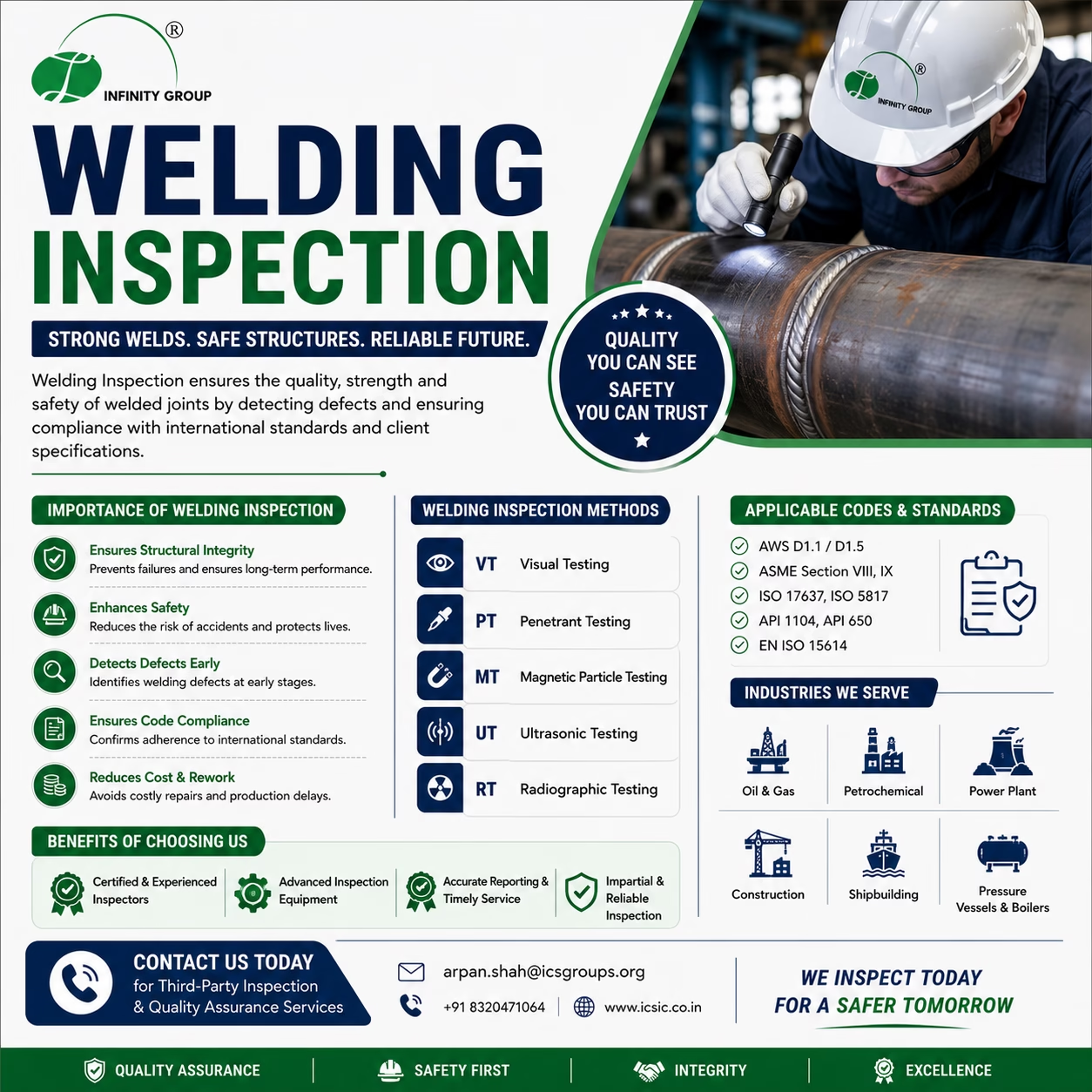
Monitoring manufacturing processes, welding activities, machining operations, and assembly work.
Dimensional Inspection
Checking dimensions, tolerances, and product specifications using calibrated measuring instruments.
Non-Destructive Testing (NDT)
Common NDT methods include:
- Ultrasonic Testing (UT)
- Magnetic Particle Testing (MT)
- Dye Penetrant Testing (PT)
- Radiographic Testing (RT)
- Visual Testing (VT)
Final Inspection
Comprehensive evaluation before shipment, including functional testing, documentation review, and packaging inspection.
Benefits of Hiring a Professional Third-Party Inspection Agency
- Independent and unbiased assessments
- Enhanced product reliability
- Reduced manufacturing risks
- Better compliance with customer requirements
- Improved export acceptance
- Stronger supplier quality control
- Detailed inspection reports and certifications
Choosing the Right Third-Party Inspection Company
When selecting an inspection provider, consider:
- Industry experience
- Qualified inspectors
- Accreditation and certifications
- Knowledge of international standards
- Timely reporting
- Global inspection capabilities
Conclusion
Third-party inspection of mechanical products plays a vital role in ensuring quality, safety, and compliance throughout the manufacturing process. By partnering with a trusted inspection agency, manufacturers can minimize risks, improve customer satisfaction, and strengthen their reputation in domestic and international markets.
Keywords for SEO
Third Party Inspection Services, Mechanical Product Inspection, Quality Inspection Services, Industrial Equipment Inspection, Manufacturing Quality Control, Mechanical Component Inspection, Independent Inspection Agency, NDT Inspection Services, Supplier Quality Inspection, Pre-Shipment Inspection, Pressure Vessel Inspection, Industrial Quality Assurance, Mechanical Engineering Inspection, Third Party Quality Inspection, Export Inspection Services.
Website: www.icsic.co.in
#ThirdPartyInspection #MechanicalInspection #QualityControl #IndustrialInspection #MechanicalProducts #NDTInspection #QualityAssurance #ManufacturingQuality #InspectionServices #ICSInternationalCertification #ThirdPartyQualityInspection #IndustrialQualityControl #MechanicalEngineering #SupplierInspection #ProductCompliance