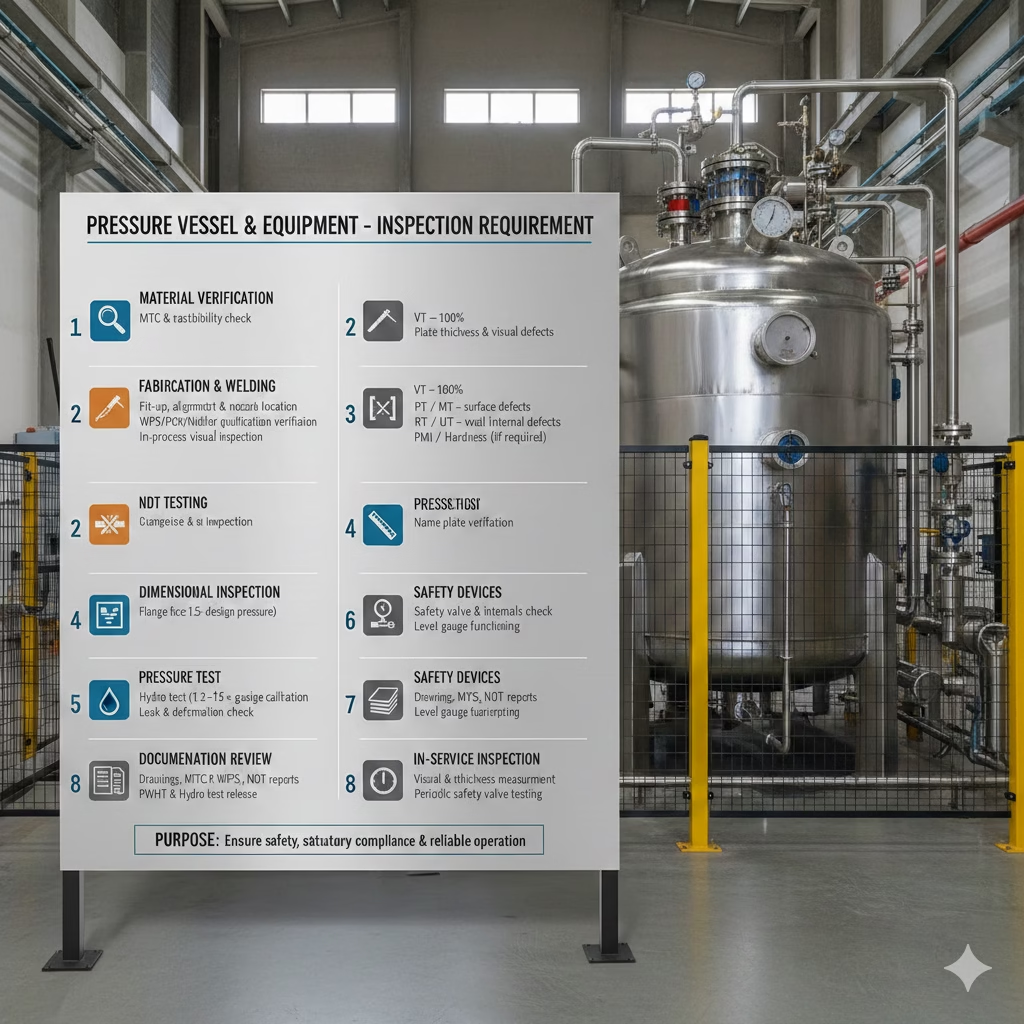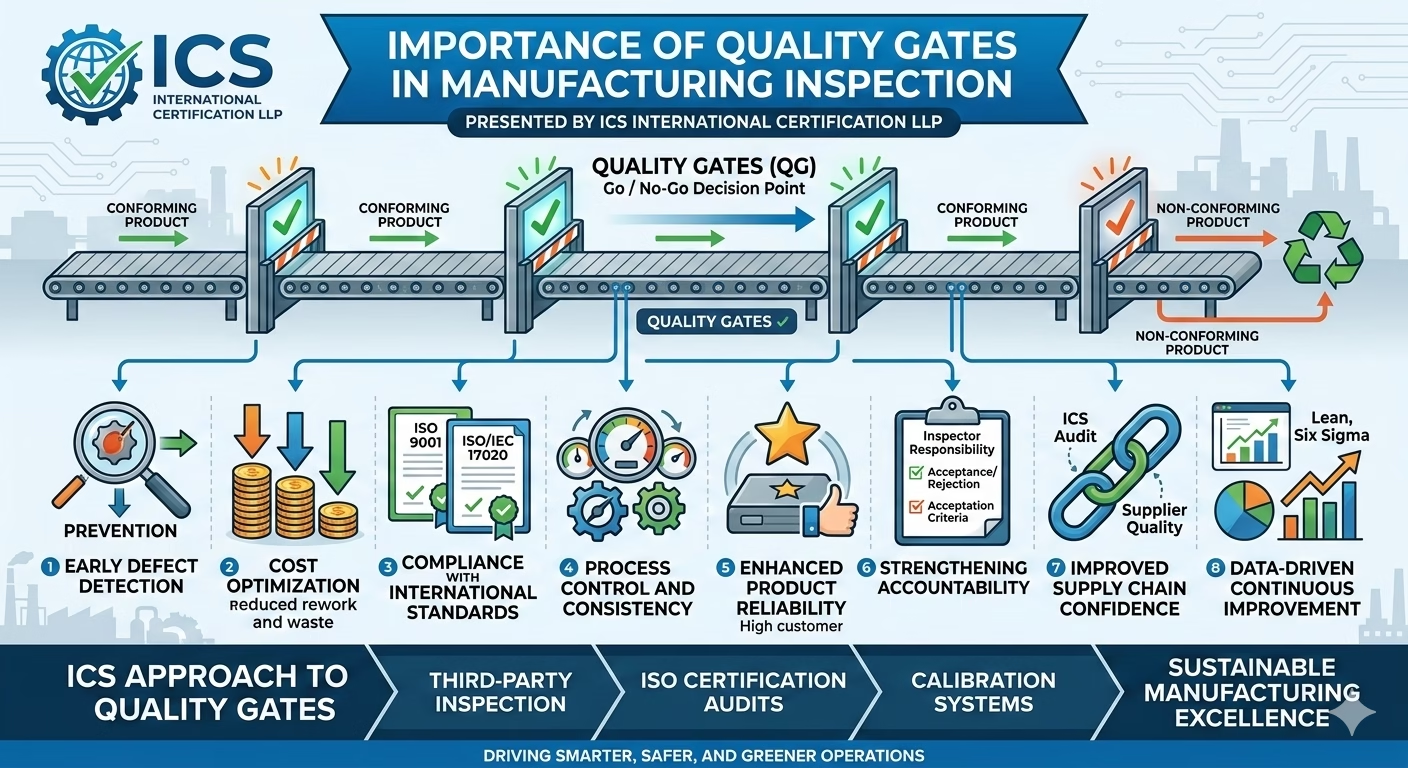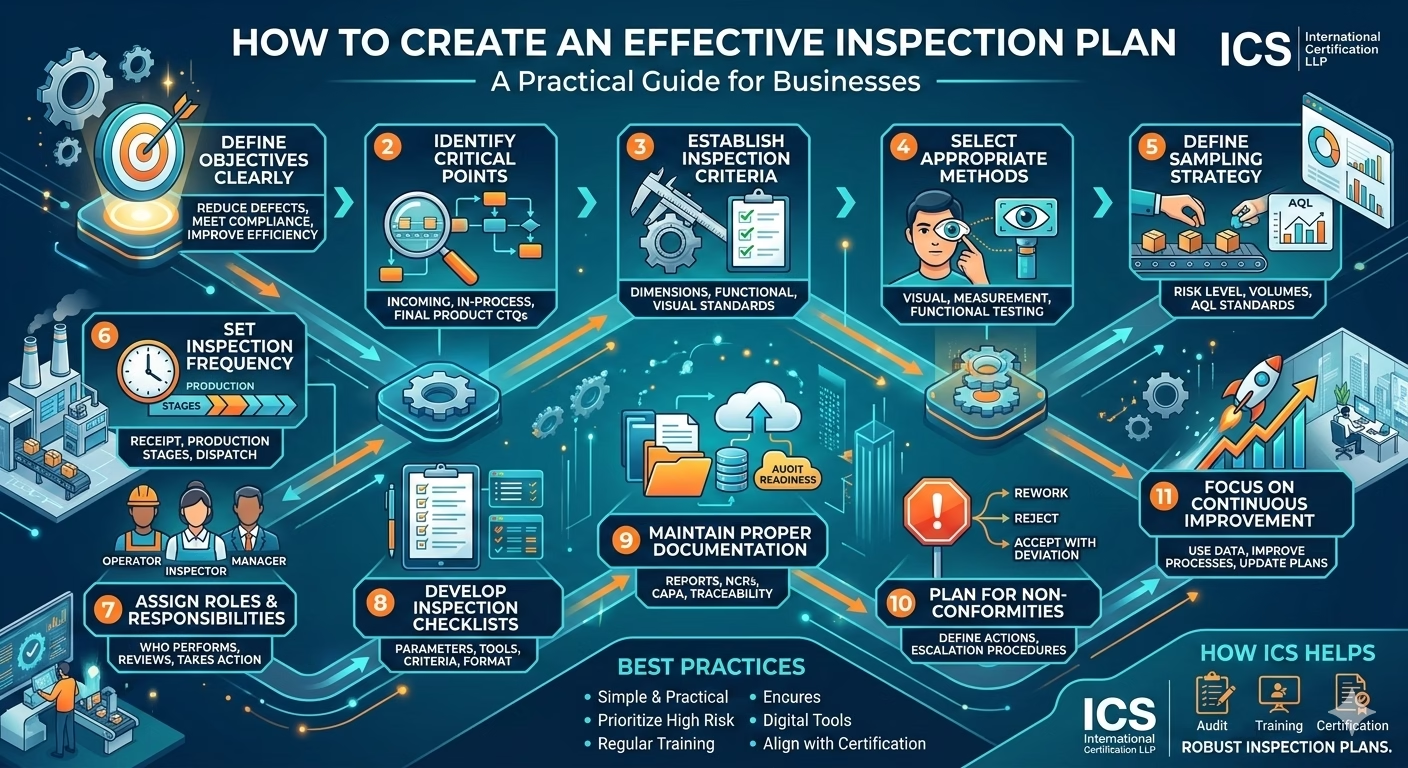
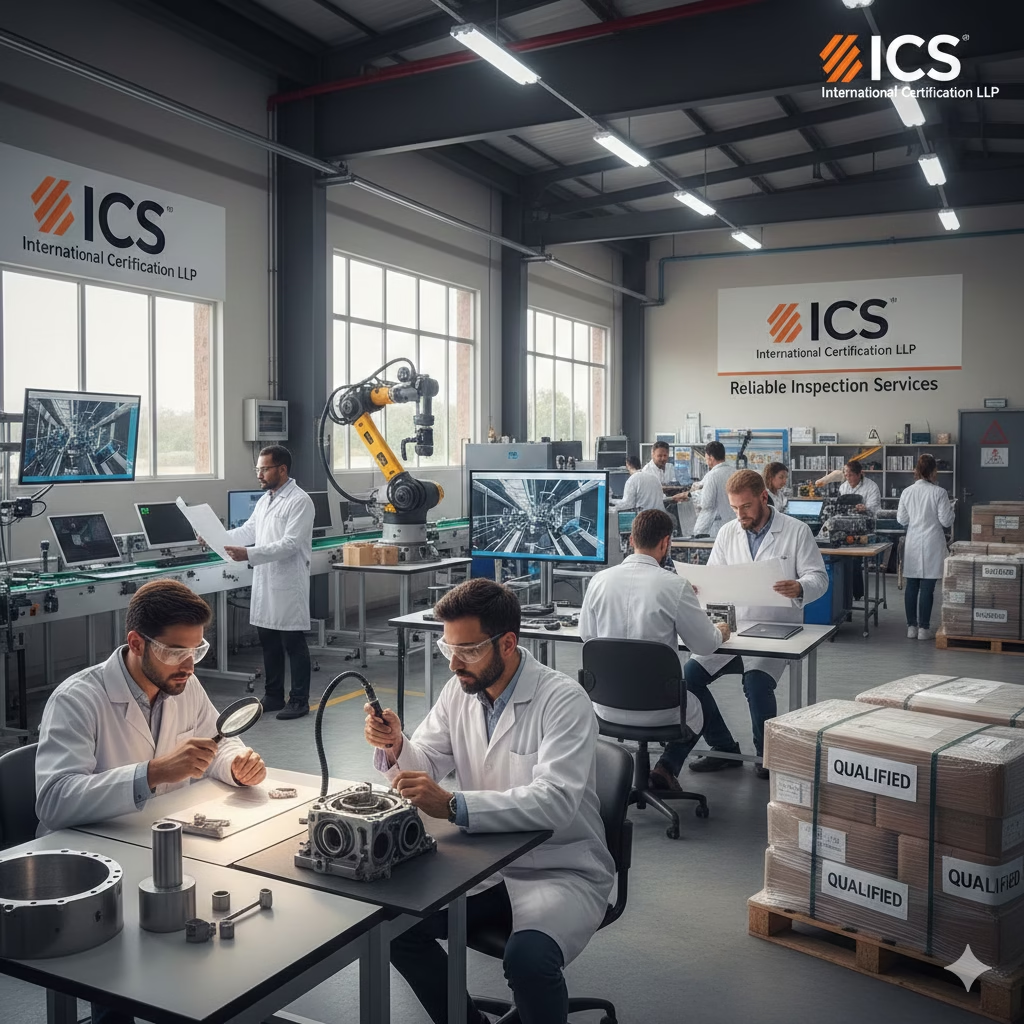
Visual inspection is the first and most basic quality control method used in manufacturing. It involves checking products using the human eye or simple optical tools to identify defects without damaging the material. It is fast, economical, and helps detect problems before dispatch.
Common Methods
- Direct Visual Inspection – Checking surface defects like cracks, rust, scratches, welding and paint quality.
- Magnified Inspection – Using magnifying glass or microscope to find small cracks, burrs, and tool marks.
- Borescope Inspection – Inspecting internal areas of pipes, valves, and machines without dismantling.
- Lighting Assisted Inspection – Using different lighting angles to reveal warpage and coating defects.
- Dimensional Comparison – Comparing product with drawing or master sample for alignment and fitment.
- Camera Based Inspection – Automated systems detect defects in mass production.
Importance
Visual inspection helps reduce rejection, improve product quality, and ensure customer satisfaction at a very low cost.
ICS International Certification LLP provides reliable inspection services to ensure products meet required quality standards before delivery.