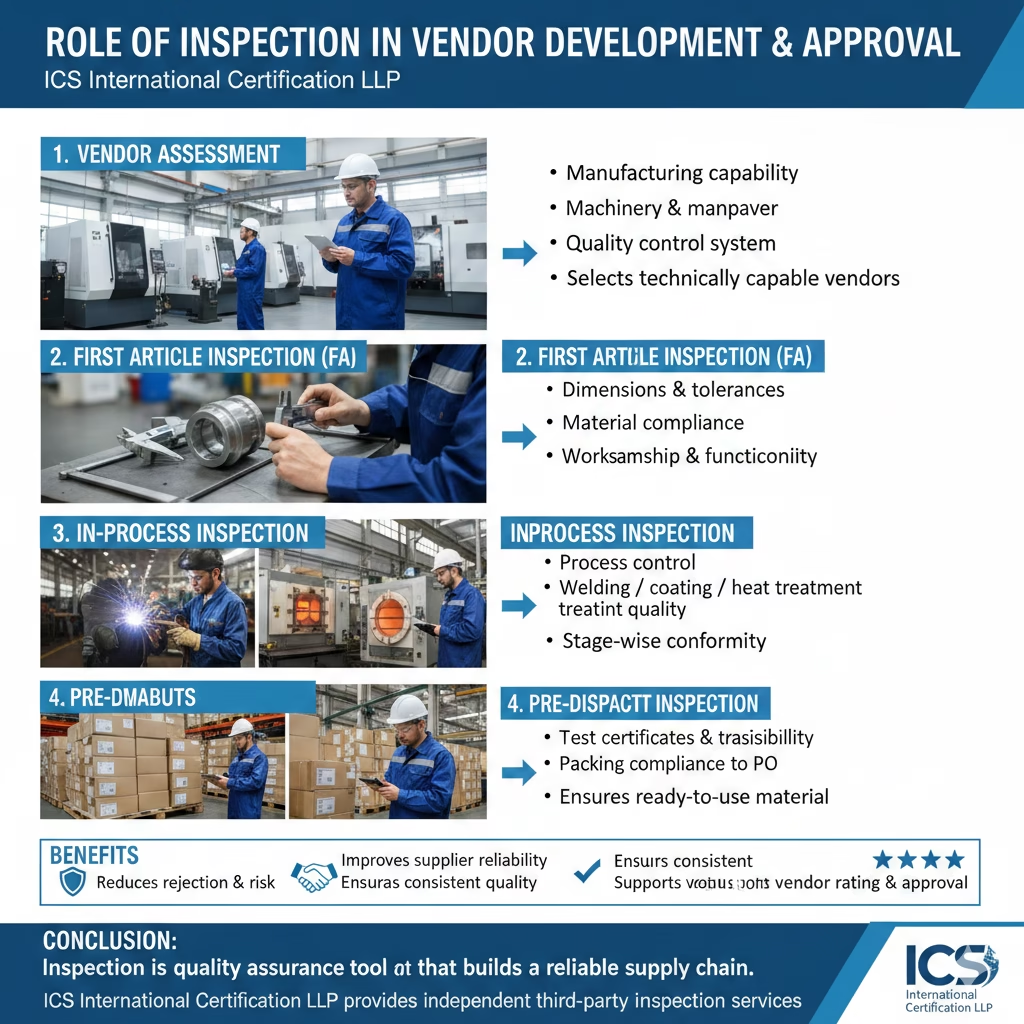
Vendor development is not only about selecting a supplier — it is about ensuring the supplier can consistently deliver quality products. Inspection plays a key role in verifying and controlling supplier performance from selection to supply.
Key Stages Where Inspection Helps
1. Vendor Assessment
Before approval, inspection checks:
- Manufacturing capability
- Machinery & manpower
- Quality control system
- Calibration of instruments
➡ Helps select technically capable vendors.
2. First Article Inspection (FAI)
The first sample is inspected for:
- Dimensions & tolerances
- Material compliance
- Workmanship & functionality
➡ Confirms vendor understands specifications before bulk production.
3. In-Process Inspection
During production inspection verifies:
- Process control
- Welding / coating / heat treatment quality
- Stage-wise conformity
➡ Prevents mass rejection.
4. Pre-Dispatch Inspection
Before shipment inspection confirms:
- Quantity & identification
- Test certificates & traceability
- Packing & compliance to PO
➡ Ensures ready-to-use material reaches the customer.
Benefits
- Reduces rejection & risk
- Improves supplier reliability
- Ensures consistent quality
- Supports vendor rating & approval
Conclusion:
Inspection is a quality assurance tool that builds a reliable supply chain by approving only capable vendors and monitoring their performance.
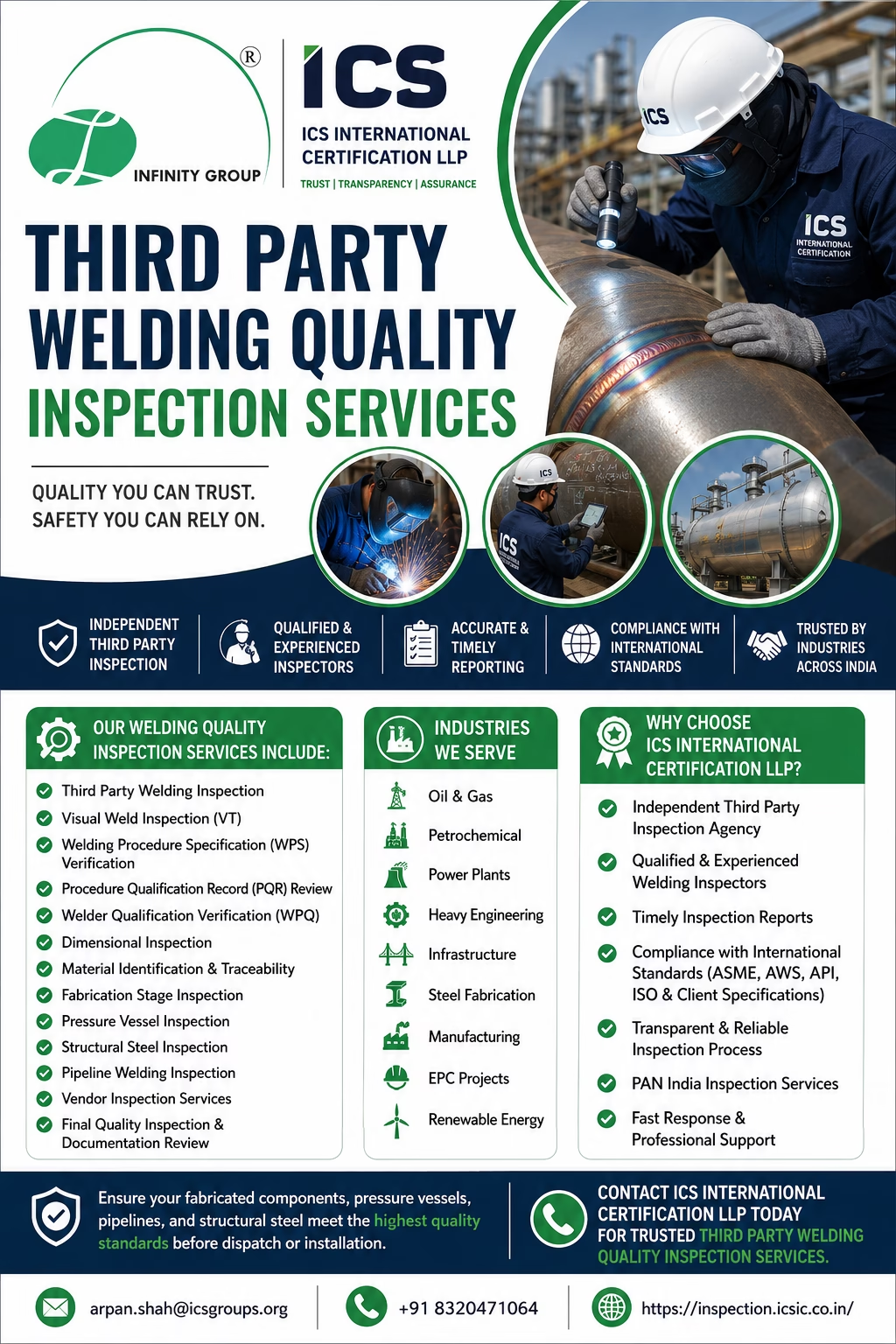
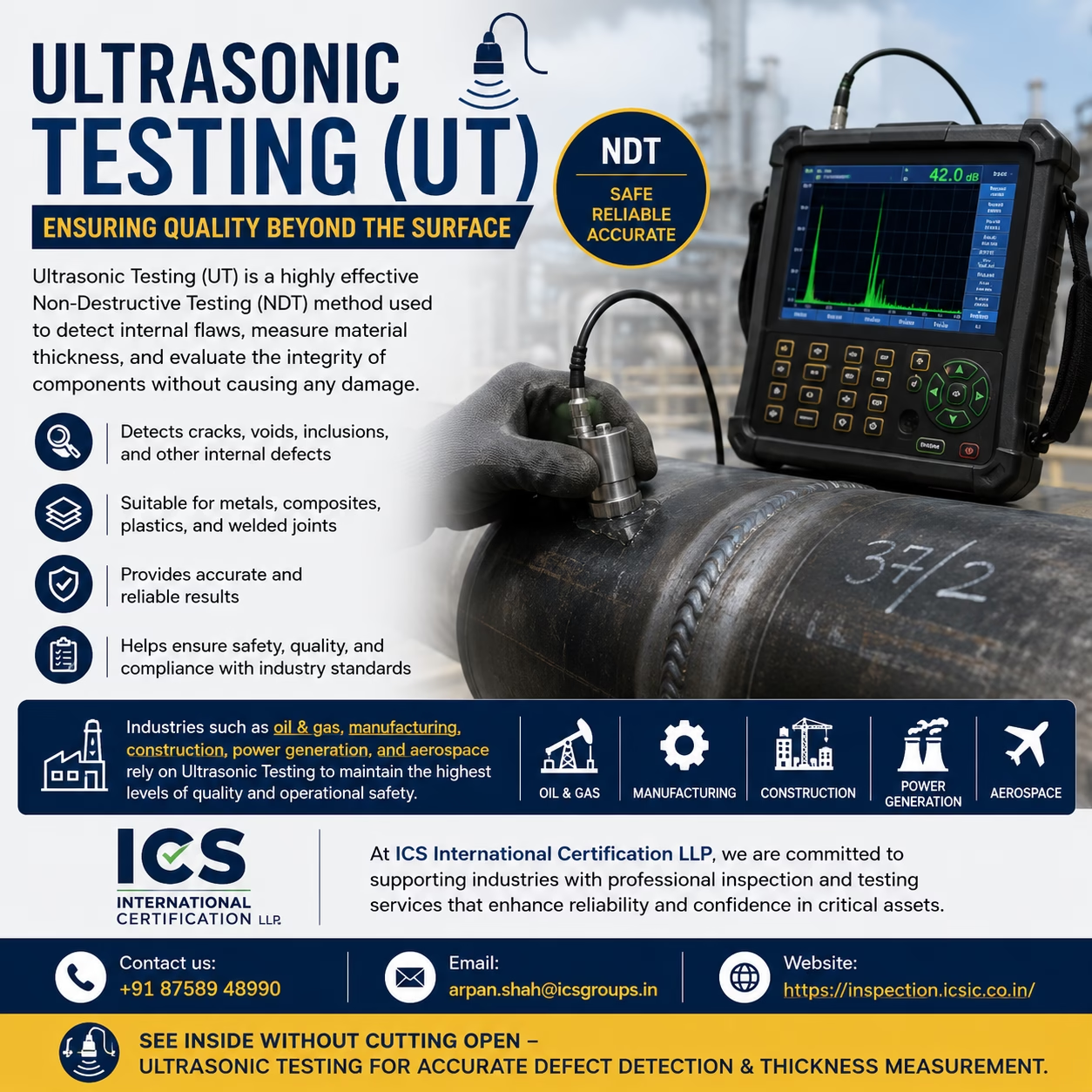
ICS International Certification LLP provides independent third-party inspection services for vendor approval and quality assurance.