By ICS International Certification LLP
Inspection day is an important milestone for any organization seeking certification or regulatory compliance. Proper preparation ensures that the inspection process runs smoothly and demonstrates your company’s commitment to quality, safety, and operational excellence.
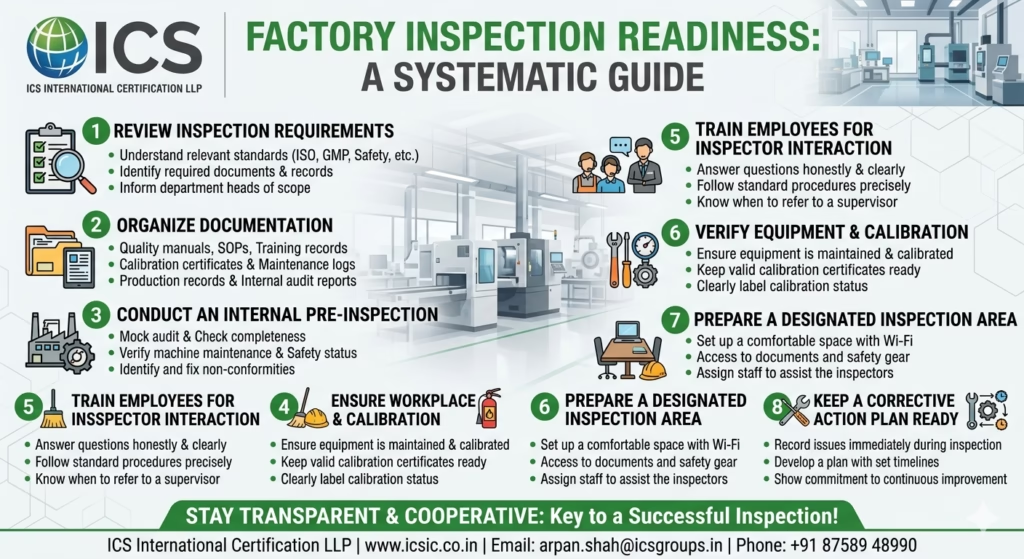
1. Review the Inspection Requirements
Understand the standards and regulations applicable to your certification. Ensure your team is aware of the scope of the inspection and the areas that will be evaluated.
2. Organize All Required Documentation
Keep essential documents readily available, such as:
• Quality manuals and procedures
• Standard Operating Procedures (SOPs)
• Training records
• Calibration certificates
• Maintenance logs
• Production and inspection records
3. Conduct an Internal Pre-Audit
Perform an internal audit before the inspection. This helps identify gaps, correct non-conformities, and ensure that processes are being followed correctly.
4. Maintain Cleanliness and Workplace Safety
Ensure the factory floor is clean, organized, and compliant with safety requirements. Clear walkways, visible safety signs, and proper waste management create a positive impression.
5. Train Employees for Inspection Interaction
Employees should understand their roles and be prepared to answer questions related to their work processes confidently and honestly.
6. Verify Equipment and Calibration
All machinery and measuring instruments should be properly maintained and calibrated, with records available for review.
7. Prepare an Inspection Support Team
Assign responsible personnel to accompany the inspector, provide documents, and answer queries efficiently.
8. Be Transparent and Cooperative
Open communication and willingness to improve always create a positive impact during inspections.
At ICS International Certification LLP, we support organizations in preparing for certification audits and maintaining compliance with international standards.