By ICS International Certification LLP – Concept Overview
Inspection is a critical part of quality management that helps manufacturers identify defects early, control processes, and prevent waste before it escalates.
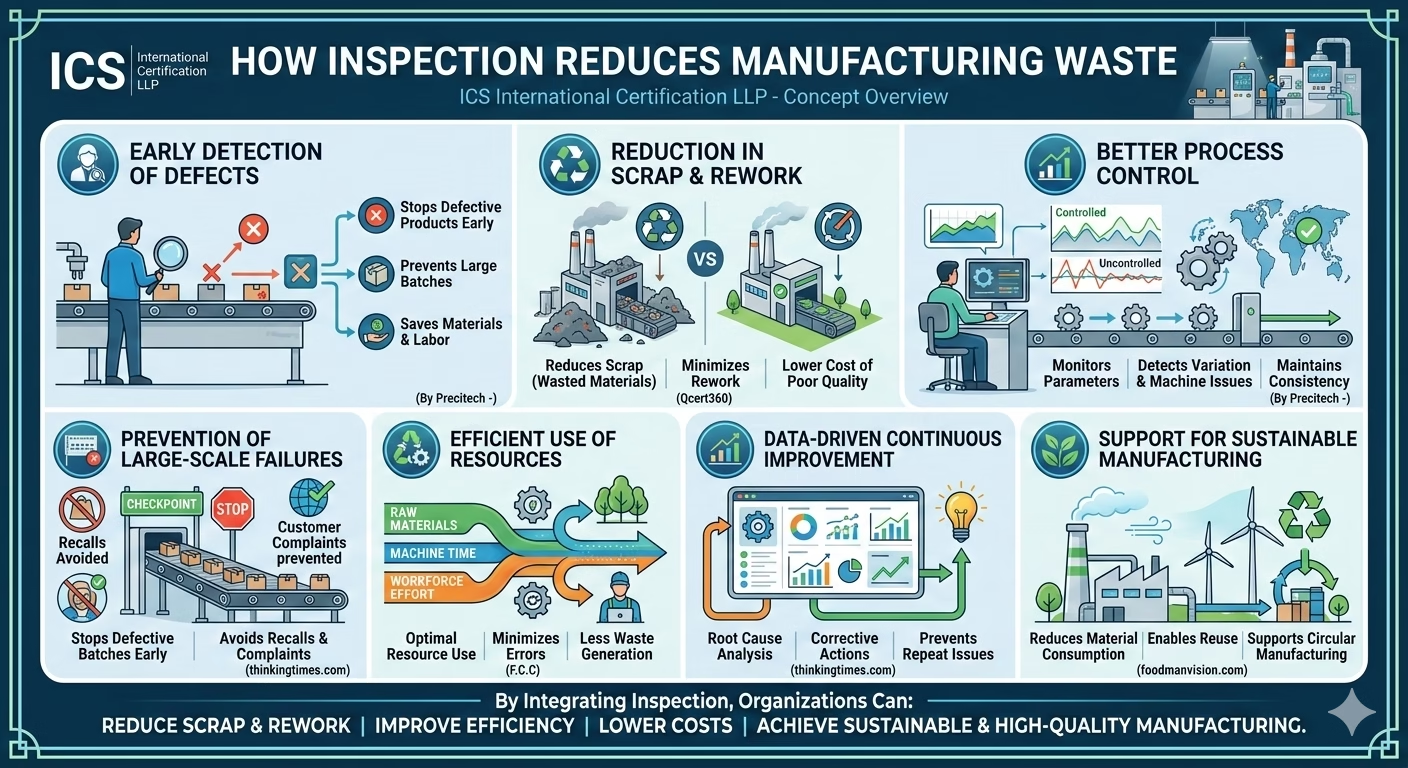
1. Early Detection of Defects
Inspection during production (in-process inspection) helps catch problems at the earliest stage.
- Stops defective products from moving further down the line
- Prevents large batches of rejected items
- Saves raw materials, labor, and energy
2. Reduction in Scrap and Rework
Without inspection, defects are often discovered at the final stage—when costs are highest.
Inspection helps:
- Reduce scrap (wasted materials)
- Minimize rework (repairing defective items)
- Lower cost of poor quality
3. Better Process Control
Inspection is not just about checking products—it improves the process itself.
- Monitors production parameters
- Detects variation and machine issues
- Maintains consistency and stability
4. Prevention of Large-Scale Failures
Inspection acts as a control checkpoint:
- Stops defective batches early
- Prevents mass production of faulty goods
- Avoids recalls and customer complaints
5. Efficient Use of Resources
Inspection ensures optimal use of:
- Raw materials
- Machine time
- Workforce effort
6. Data-Driven Continuous Improvement
Modern inspection systems provide valuable data:
- Root cause analysis (why defects occur)
- Corrective actions to eliminate repeat issues
- Continuous improvement in processes
7. Support for Sustainable Manufacturing
Inspection contributes to sustainability by:
- Reducing material consumption
- Enabling reuse of acceptable products
- Supporting circular manufacturing practices
Conclusion
Inspection plays a vital role in modern manufacturing by shifting the focus from “detecting defects” to “preventing waste.”
By integrating inspection into every stage of production, organizations can:
- Reduce scrap and rework
- Improve efficiency
- Lower costs
- Achieve sustainable and high-quality manufacturing