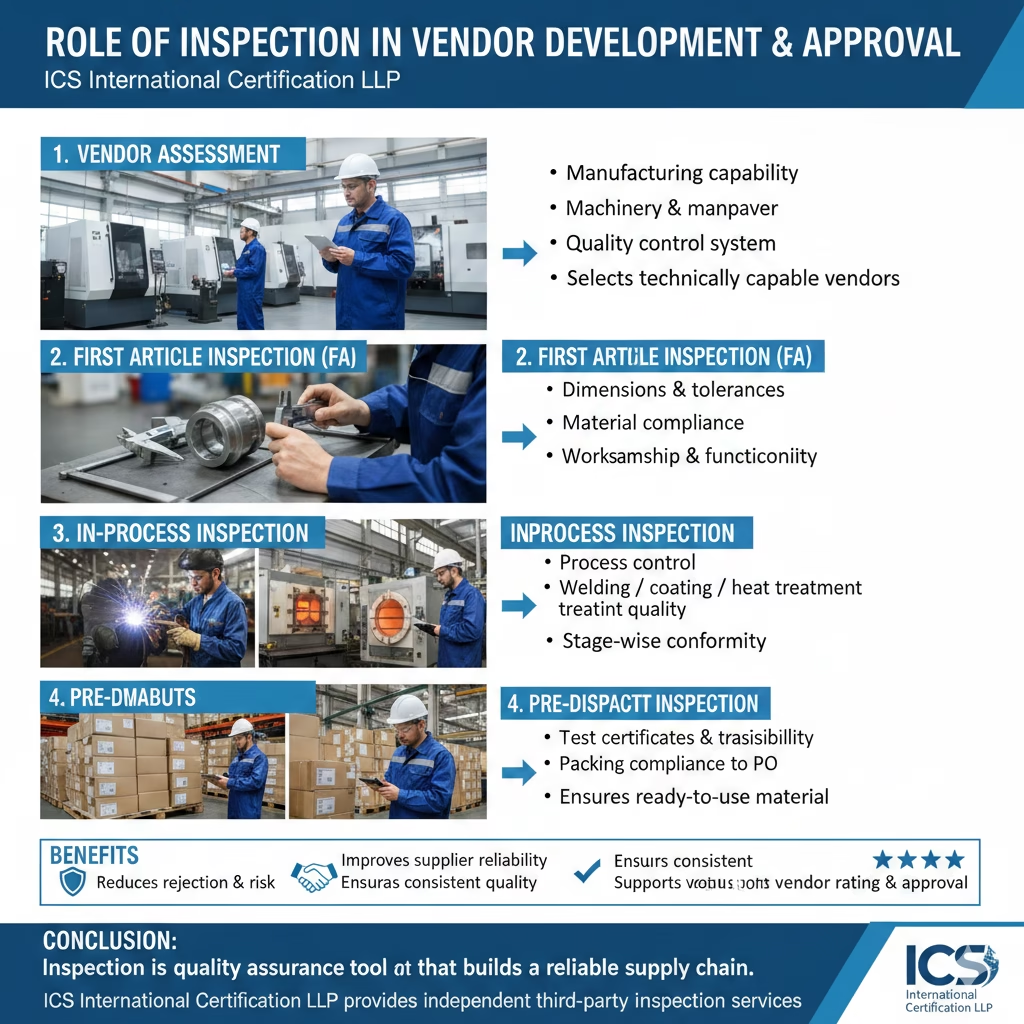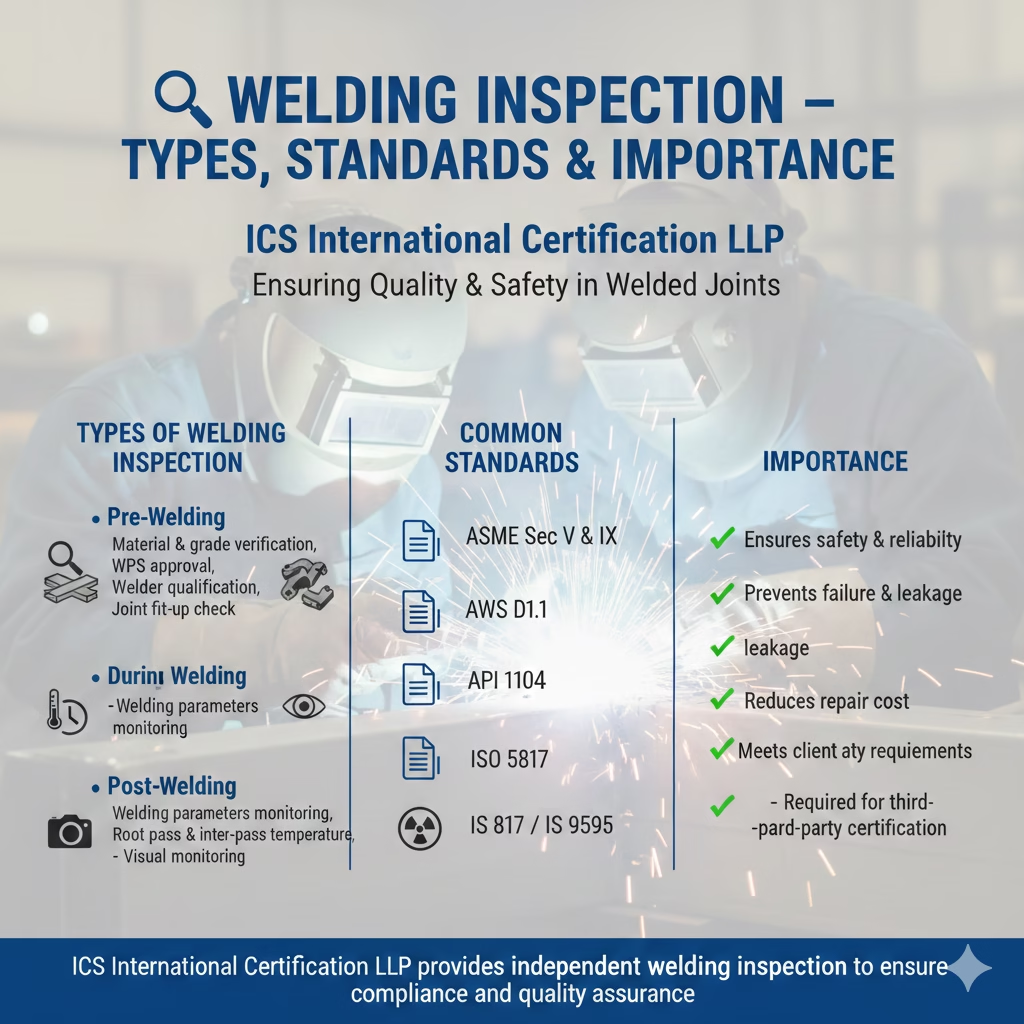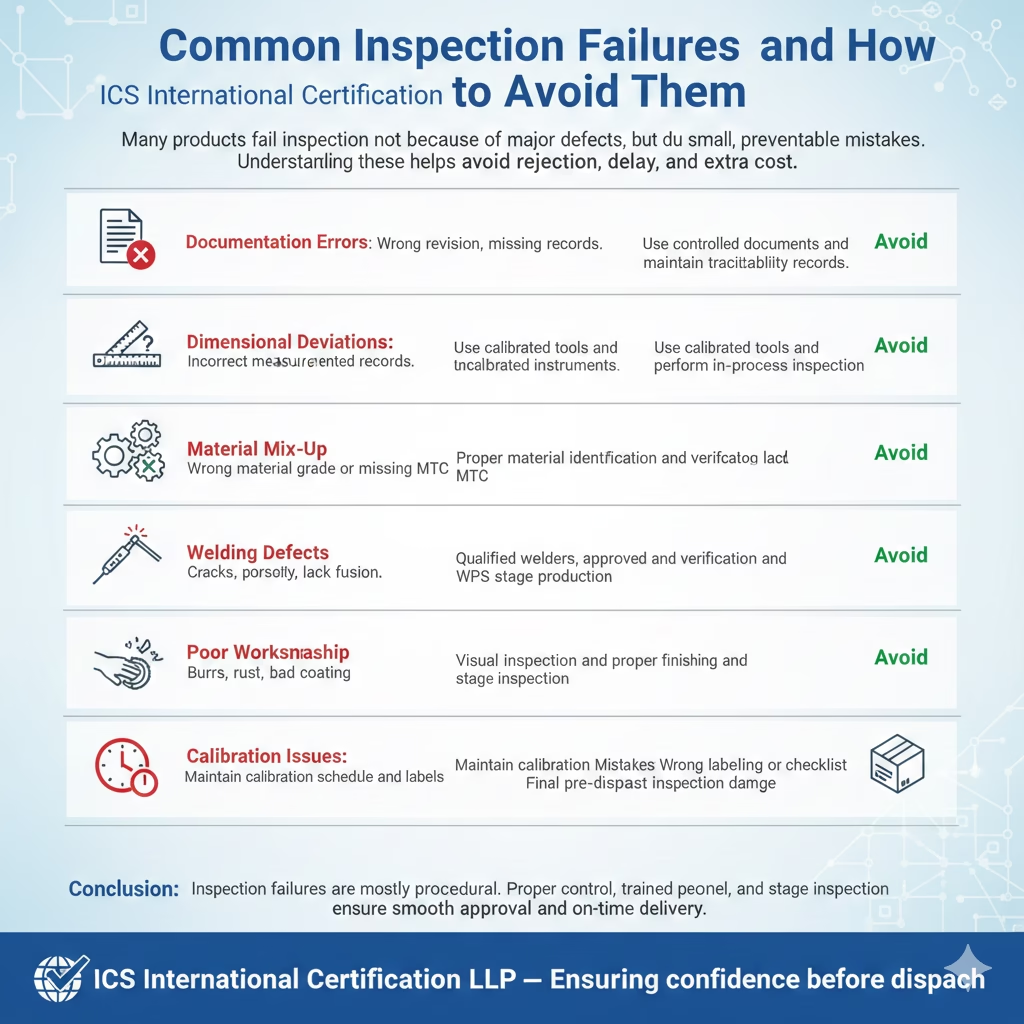
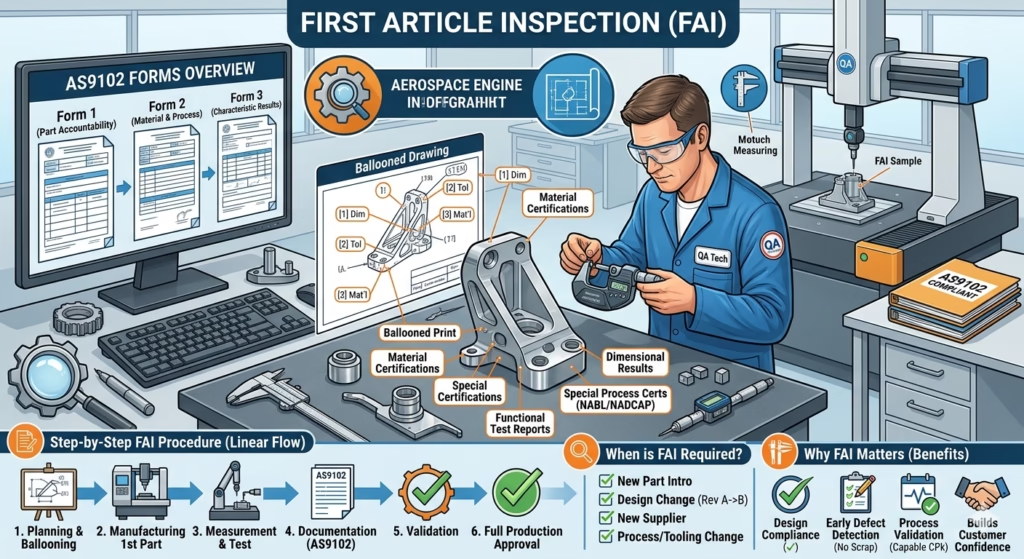
First Article Inspection (FAI) is a critical quality assurance process in manufacturing that verifies whether a product produced from a new or revised manufacturing process meets all engineering, design, and specification requirements before full-scale production begins. ⚙️🔍
What is First Article Inspection (FAI)?
FAI is the detailed inspection and verification of the first production part manufactured using the final production process.
The goal is to confirm that:
- The design requirements are correctly understood.
- The manufacturing process is capable of producing parts within specification.
- The tools, materials, and methods are correctly set up.
It is commonly required in industries such as:
- Aerospace ✈️
- Automotive 🚗
- Medical devices 🏥
- Precision engineering 🔧
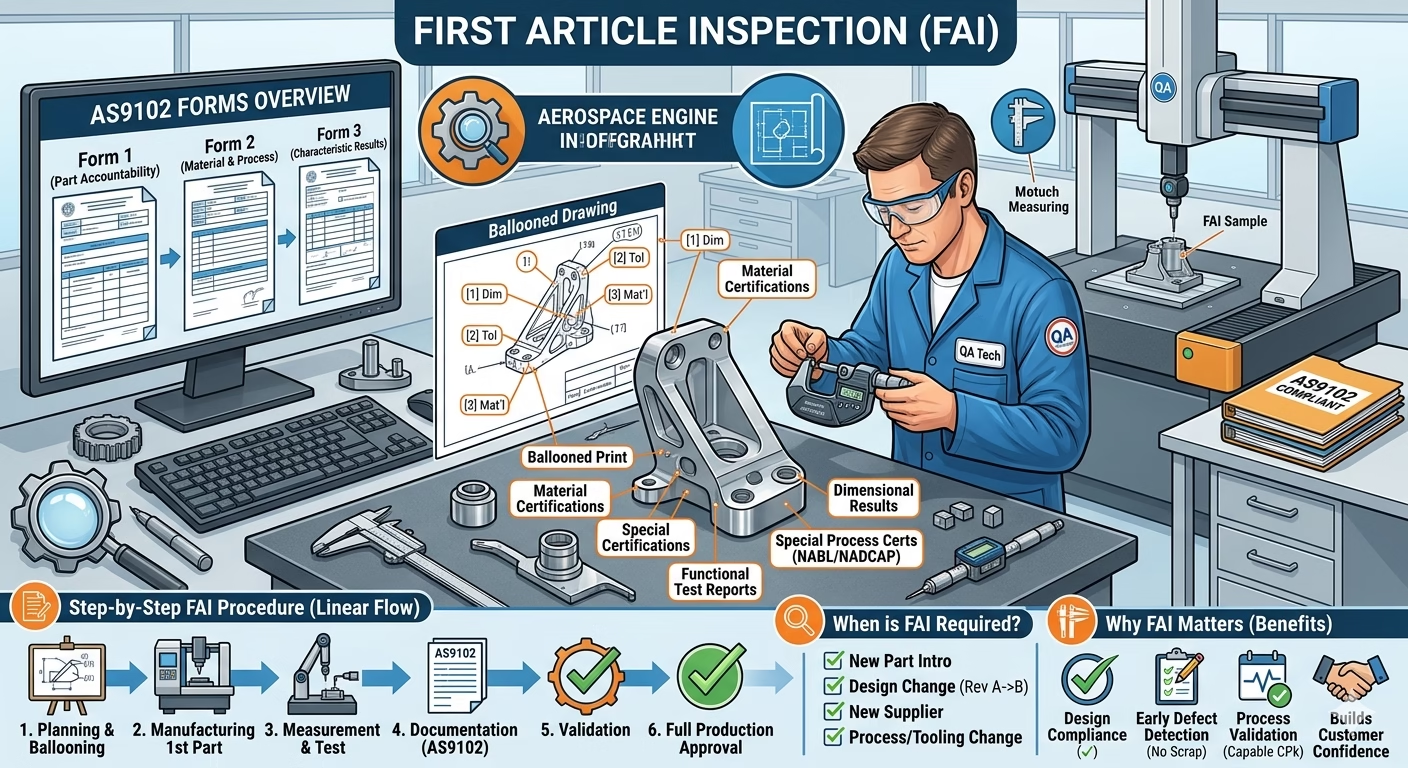
Many aerospace manufacturers follow the standard AS9102 First Article Inspection Standard, which defines how FAI should be conducted and documented.
Why First Article Inspection Matters
1️⃣ Ensures Design Compliance
FAI confirms that the manufactured part matches the engineering drawing, material specification, and customer requirements.
This includes checking:
- Dimensions
- Materials
- Surface finish
- Tolerances
- Functional features
2️⃣ Detects Problems Early
Identifying issues during the first article stage prevents:
- Large-scale production defects
- Expensive rework
- Customer complaints
Early detection saves time, cost, and reputation. 💰
3️⃣ Validates the Manufacturing Process
FAI confirms that the machines, tooling, fixtures, and operators can consistently produce parts that meet specifications.
This is especially important when:
- Starting new production
- Using new tools or equipment
- Changing suppliers or materials
4️⃣ Builds Customer Confidence
Many OEMs require documented FAI reports before approving mass production.
This ensures:
- Transparency
- Traceability
- Quality assurance
5️⃣ Supports Regulatory Compliance
Industries with strict quality systems (like aerospace and medical manufacturing) require FAI as part of compliance frameworks such as ISO 9001 Quality Management System and AS9100 Aerospace Quality Management Standard.
What Does an FAI Report Typically Include?
A standard FAI report contains:
- Part Information
- Part number
- Revision level
- Drawing number
- Material Certification
- Raw material compliance
- Dimensional Inspection Results
- Measurement of every feature on the drawing
- Process Verification
- Special processes (heat treatment, coating, welding)
- Test Results
- Functional or performance testing
- Inspection Records
- Signatures and approval documentation
When is FAI Required?
FAI is typically required when:
- A new product is introduced
- There is a design change
- A new supplier is used
- A manufacturing process changes
- Production resumes after a long pause
✅ In simple terms:
First Article Inspection acts as a “trial run validation” that ensures the manufacturing process can produce parts correctly before full production begins.