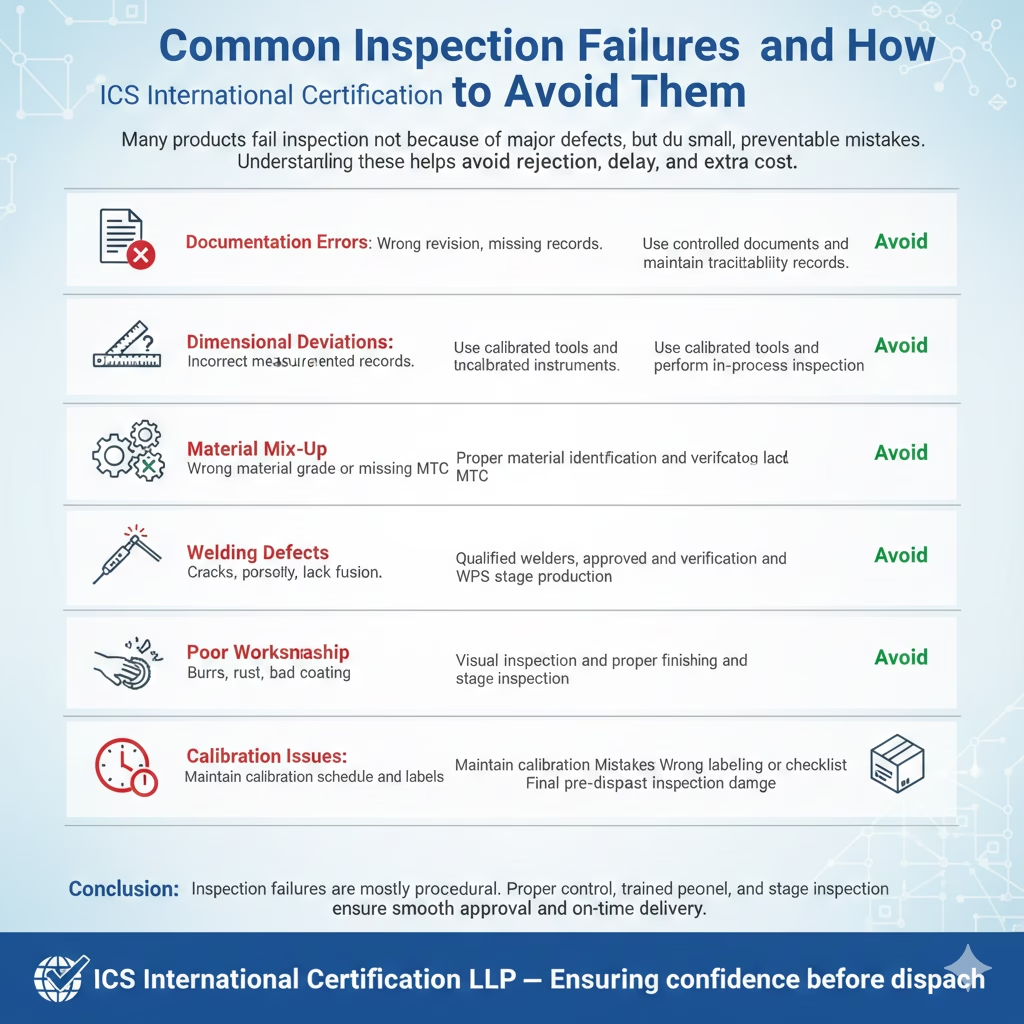
Many products fail inspection not because of major defects, but due to small, preventable mistakes. Understanding these helps avoid rejection, delay, and extra cost.
1. Documentation Errors
Failure: Wrong revision drawings, missing records
Avoid: Use controlled documents and maintain traceability records
2. Dimensional Deviations
Failure: Incorrect measurements or uncalibrated instruments
Avoid: Use calibrated tools and perform in-process inspection
3. Material Mix-Up
Failure: Wrong material grade or missing MTC
Avoid: Proper material identification and verification before production
4. Welding Defects
Failure: Cracks, porosity, lack of fusion
Avoid: Qualified welders, approved WPS and stage inspection
5. Poor Workmanship
Failure: Burrs, rust, bad coating
Avoid: Visual inspection and proper finishing procedure
6. Calibration Issues
Failure: Expired calibration status
Avoid: Maintain calibration schedule and labels
7. Packing & Marking Mistakes
Failure: Wrong labeling or transport damage
Avoid: Final pre-dispatch inspection checklist
Conclusion:
Inspection failures are mostly procedural. Proper control, trained personnel, and stage inspection ensure smooth approval and on-time delivery.
ICS International Certification LLP – Ensuring confidence before dispatch.