In modern supply chains, ensuring product quality before shipment is essential to avoid defects, delays, and customer dissatisfaction. Supplier Quality Inspection Before Dispatch, commonly known as Pre-Shipment Inspection (PSI), helps businesses verify that products meet required specifications before they leave the supplier’s facility.
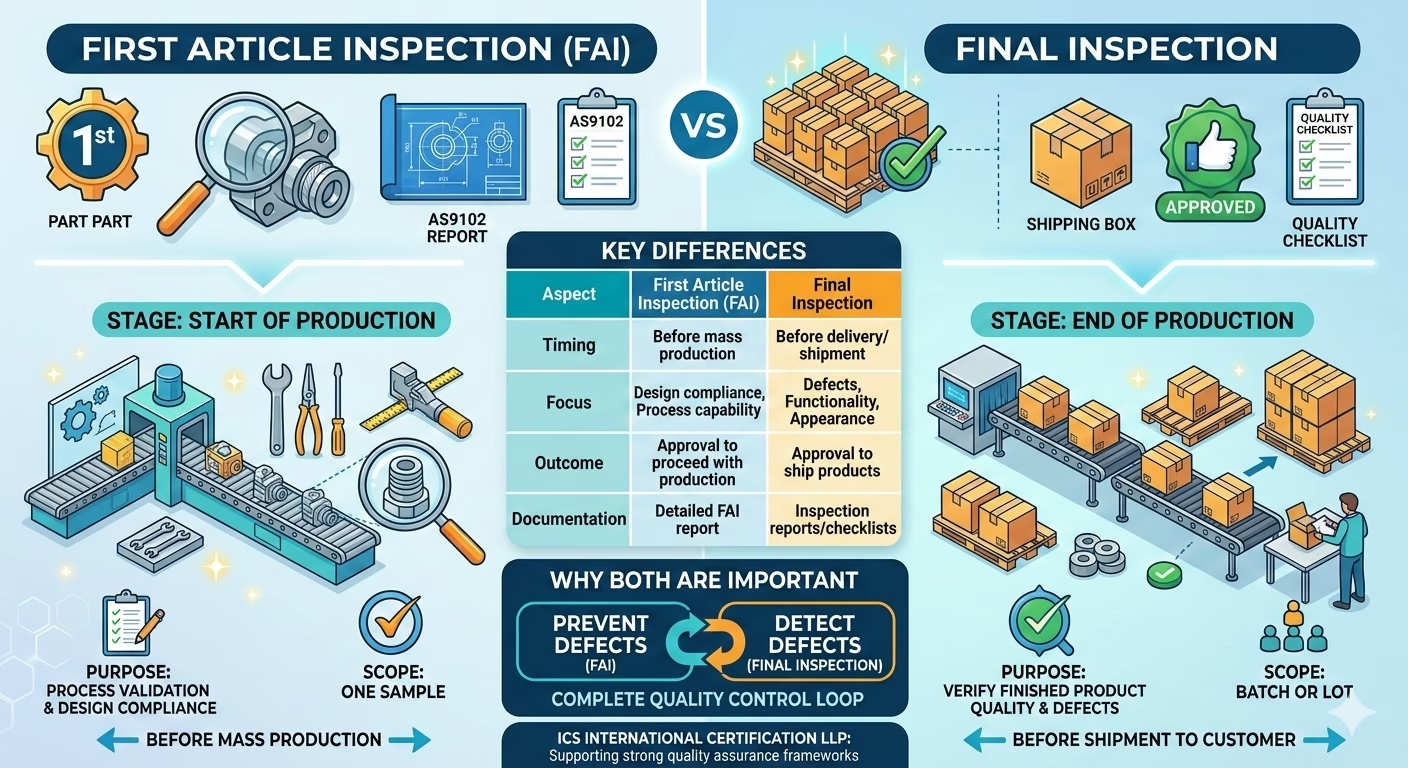
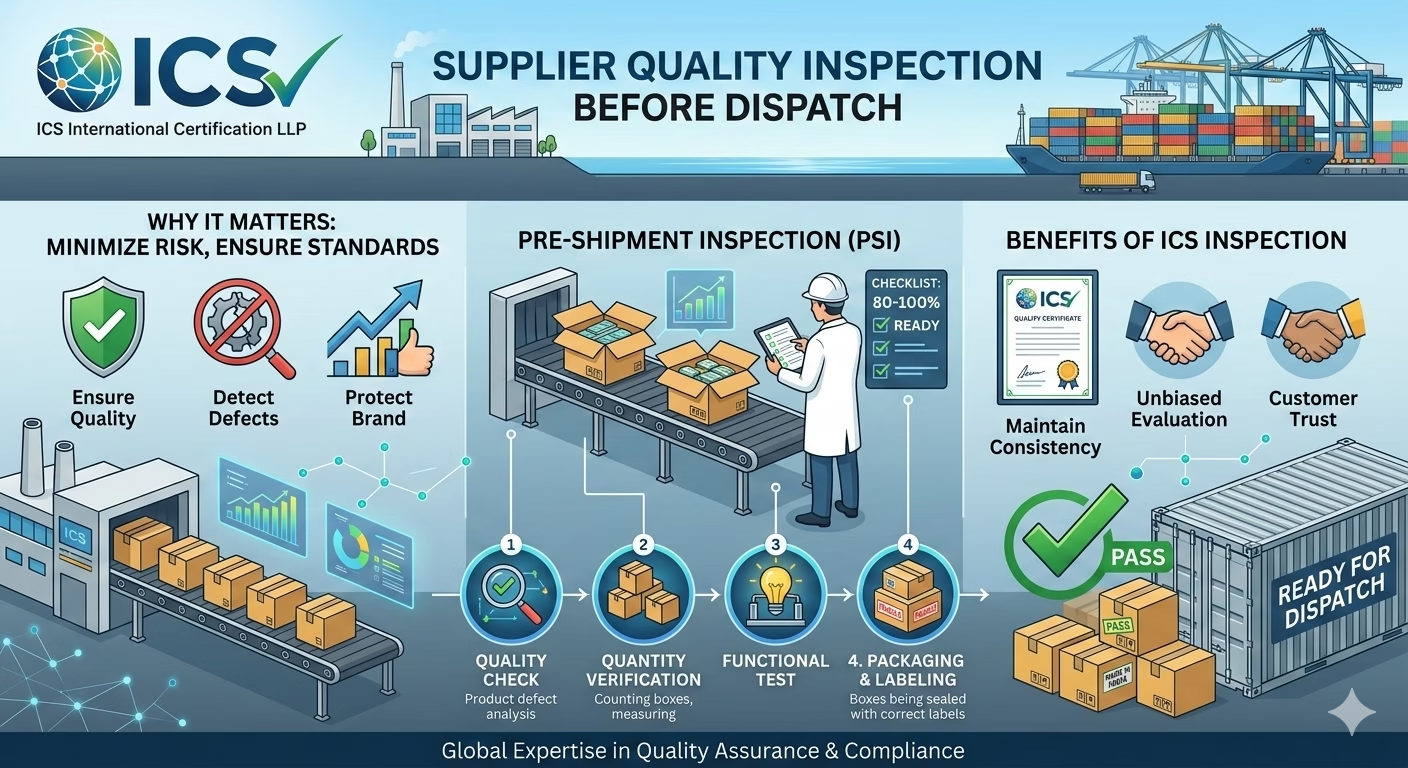
A pre-dispatch inspection is conducted when production is completed and typically when at least 80–100% of the goods are ready for shipment. The inspection ensures that the products comply with the buyer’s requirements, technical standards, and quality expectations.
Why Pre-Shipment Inspection is Important
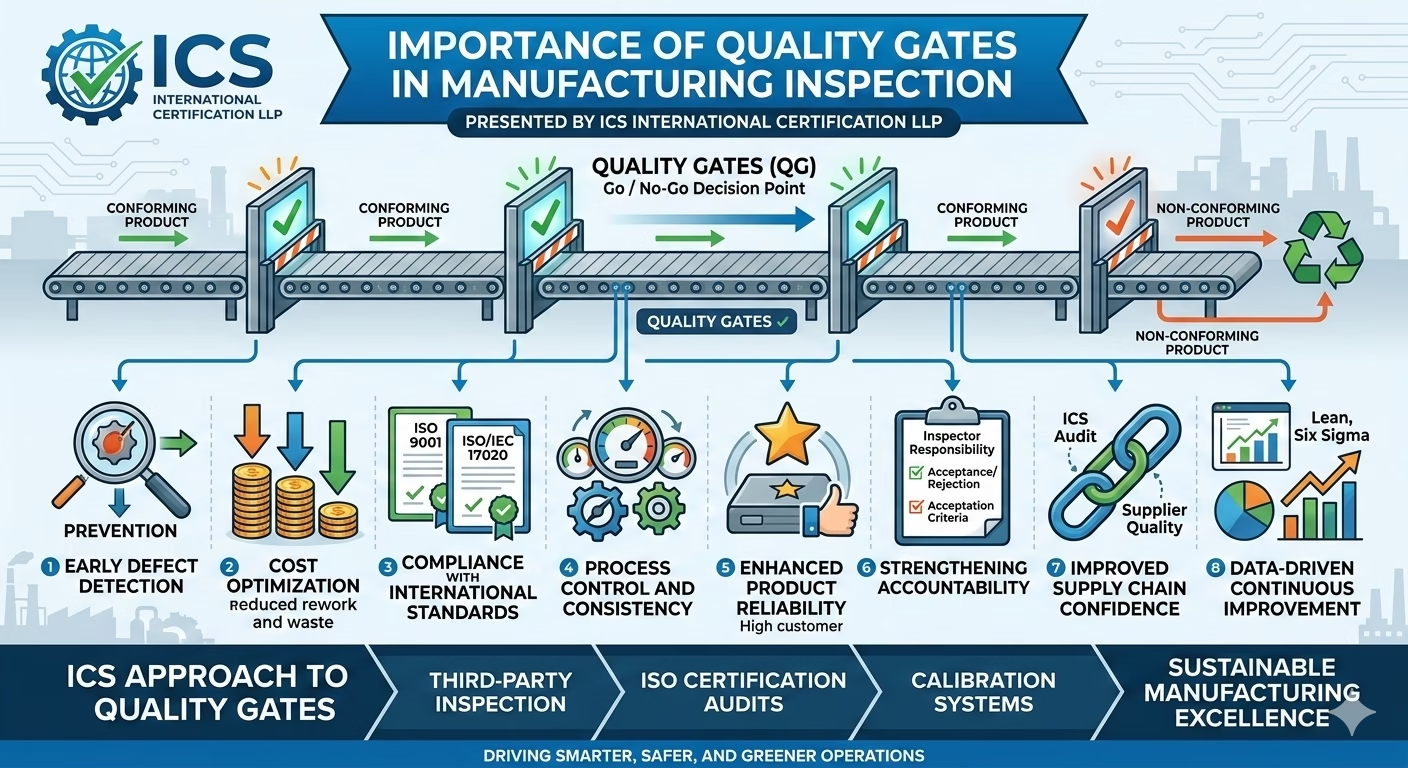
Supplier quality inspection helps businesses minimize risks and maintain consistent product standards. Key benefits include:
- Ensuring products meet quality specifications
- Detecting defects before shipment
- Verifying order quantity and packaging
- Reducing costly returns and rework
- Protecting brand reputation and customer satisfaction
Key Elements of the Inspection
During a supplier quality inspection, several critical aspects are evaluated:
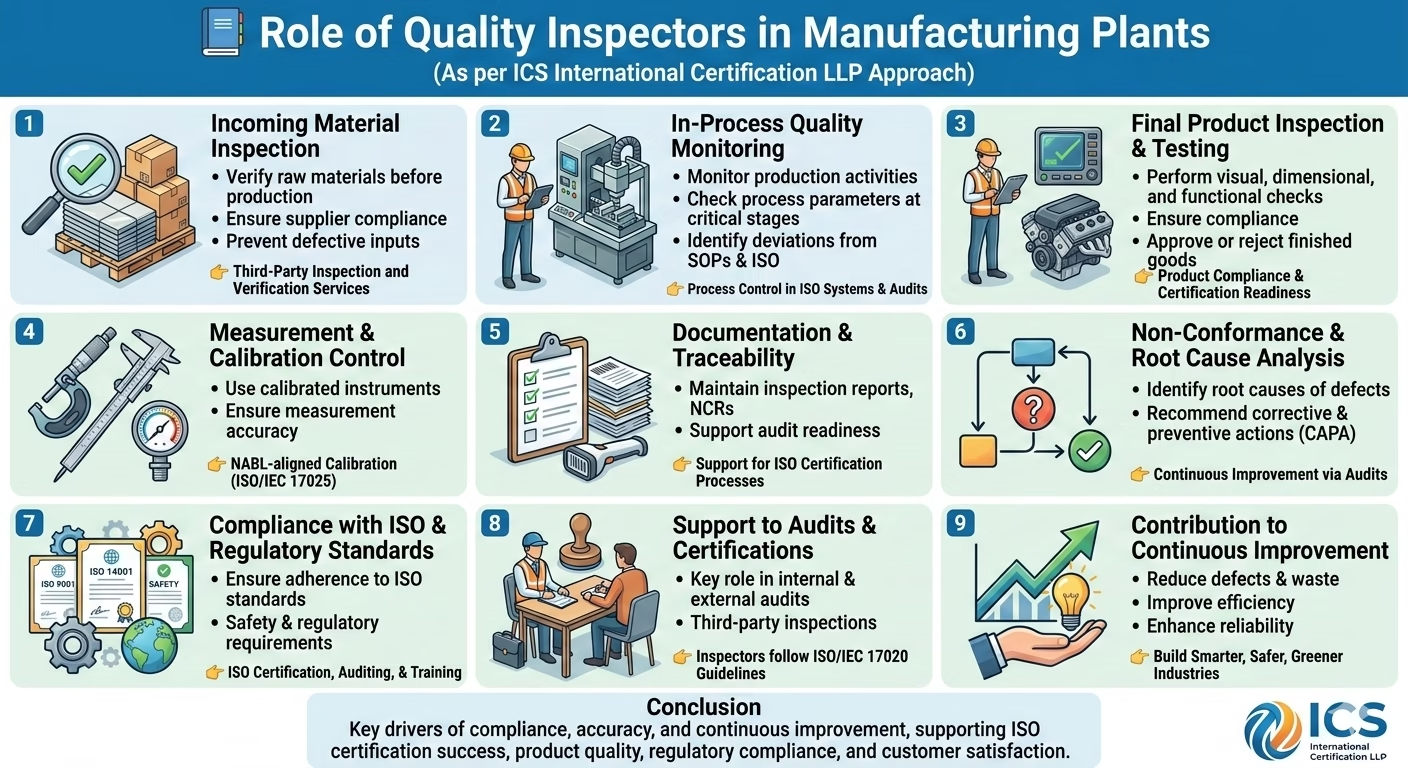
Product Quality Check – Inspectors review the product for defects, workmanship issues, and compliance with specifications.
Quantity Verification – Confirms that the shipment quantity matches the purchase order.
Functional Testing – Products are tested to ensure they perform as intended.
Packaging and Labeling Inspection – Ensures correct packaging, labeling, and shipping marks to prevent damage during transportation.
Importance of Third-Party Inspection
Independent inspection organizations provide unbiased evaluations of supplier products. This helps buyers gain confidence that the goods they receive meet required quality standards.
ICS International Certification LLP offers professional supplier quality inspection services to help businesses maintain product consistency, reduce supply chain risks, and ensure compliance with industry requirements.
Conclusion
Supplier Quality Inspection Before Dispatch is a critical step in quality assurance and supply chain management. By conducting proper inspections before shipment, companies can ensure product reliability, reduce operational risks, and maintain customer trust.