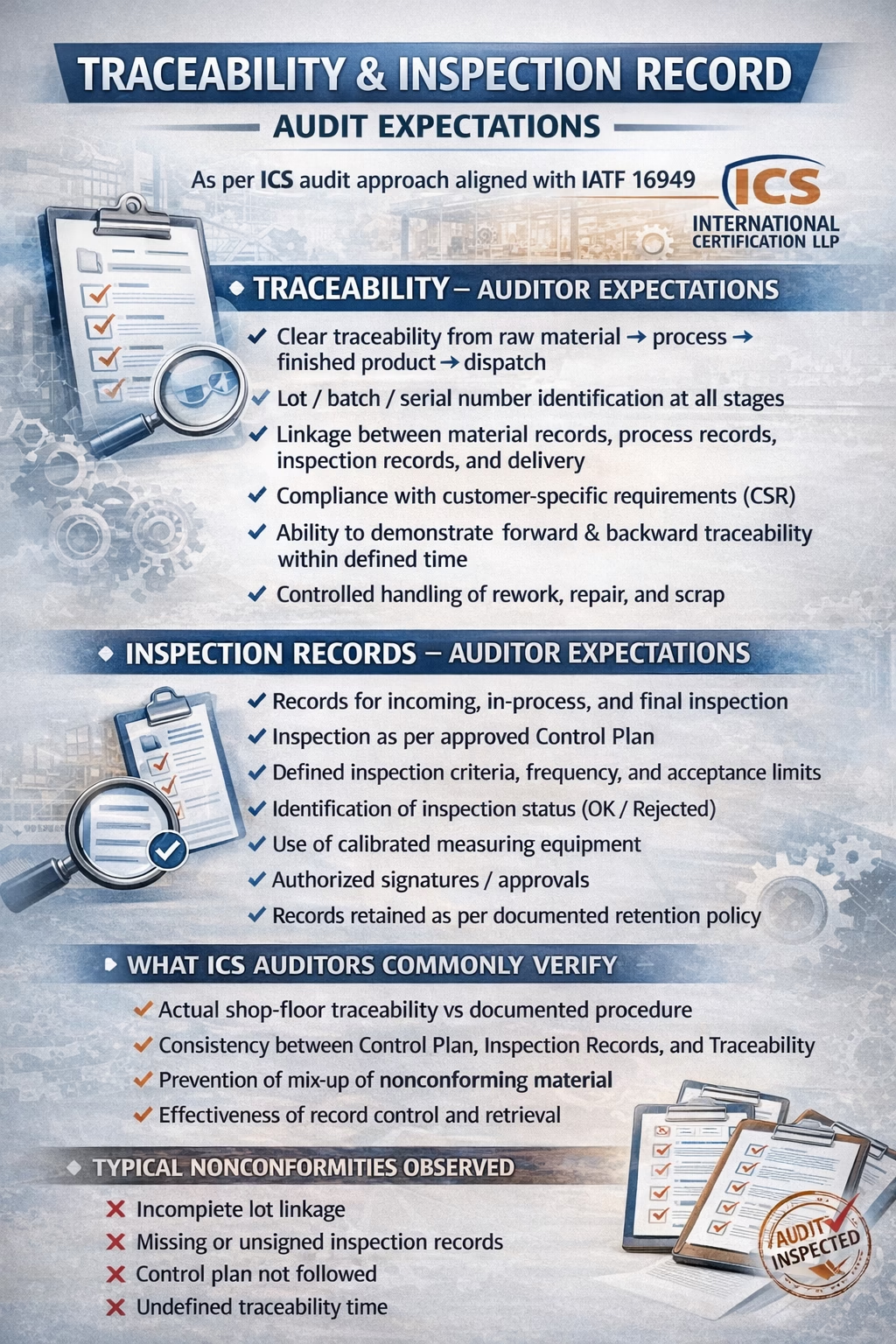
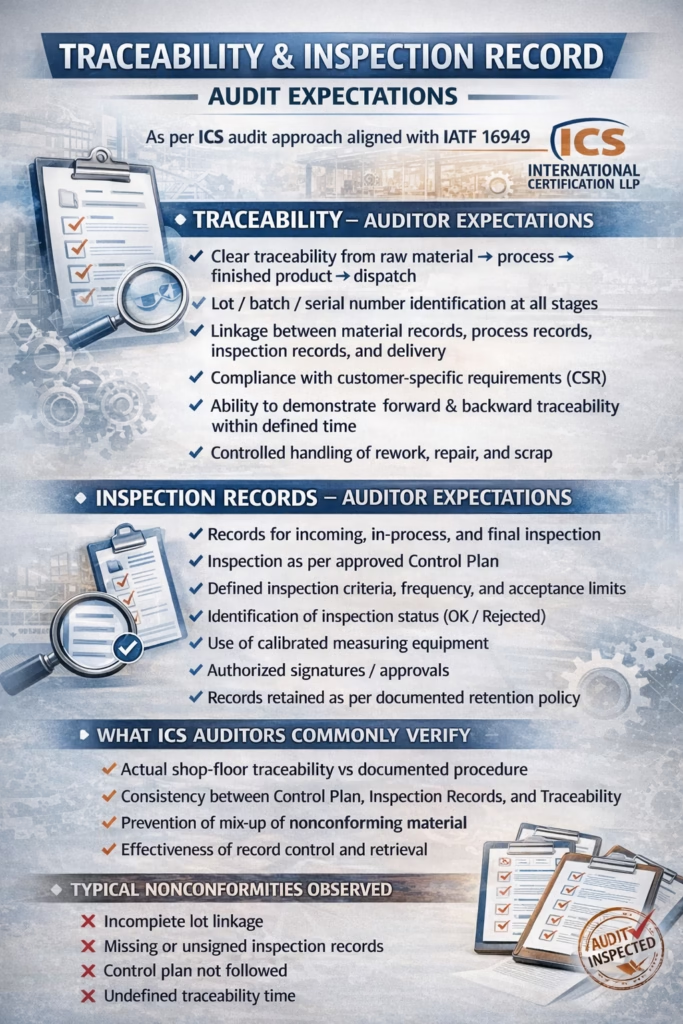
Auditors expect the organization to demonstrate full traceability of product throughout the manufacturing process.
Key expectations:
- Traceability from raw material → in-process → finished product → customer
- Clear batch / lot / serial number identification
- Linkage between material, process, inspection, and dispatch records
- Traceability aligned with customer-specific requirements (CSR)
- Ability to perform backward and forward traceability within a defined time
- Controlled records for rework, repair, and scrap
Inspection Records – Audit Expectations
Inspection records must prove that products were verified against requirements before release.
Key expectations:
- Records for incoming, in-process, and final inspection
- Defined inspection criteria, frequency, and methods
- Use of approved control plans
- Identification of inspection status (accepted / rejected)
- Evidence of calibrated measuring equipment
- Authorized signatures / approvals
- Retention as per documented retention policy
What Auditors Commonly Ask
- “Show me traceability for this finished part back to raw material.”
- “Where is the inspection record linked to this batch?”
- “How do you ensure rejected material is not mixed with OK material?”
- “How long do you retain inspection records?”
Common Nonconformities
❌ Missing lot linkage between material and finished goods
❌ Incomplete or unsigned inspection records
❌ Records not matching control plan
❌ No defined traceability time requirement