Ensuring Quality, Safety, and Compliance
Third-Party Welding Inspection is an independent verification process conducted by qualified inspectors to ensure that welding activities meet applicable codes, standards, project specifications, and client requirements. It helps identify defects, verify workmanship, and ensure the structural integrity and safety of welded components.
Scope of Welding Inspection
Third-party welding inspection may include:
- Review of Welding Procedure Specifications (WPS)
- Verification of Welder Qualification Records (WQT/WPQT)
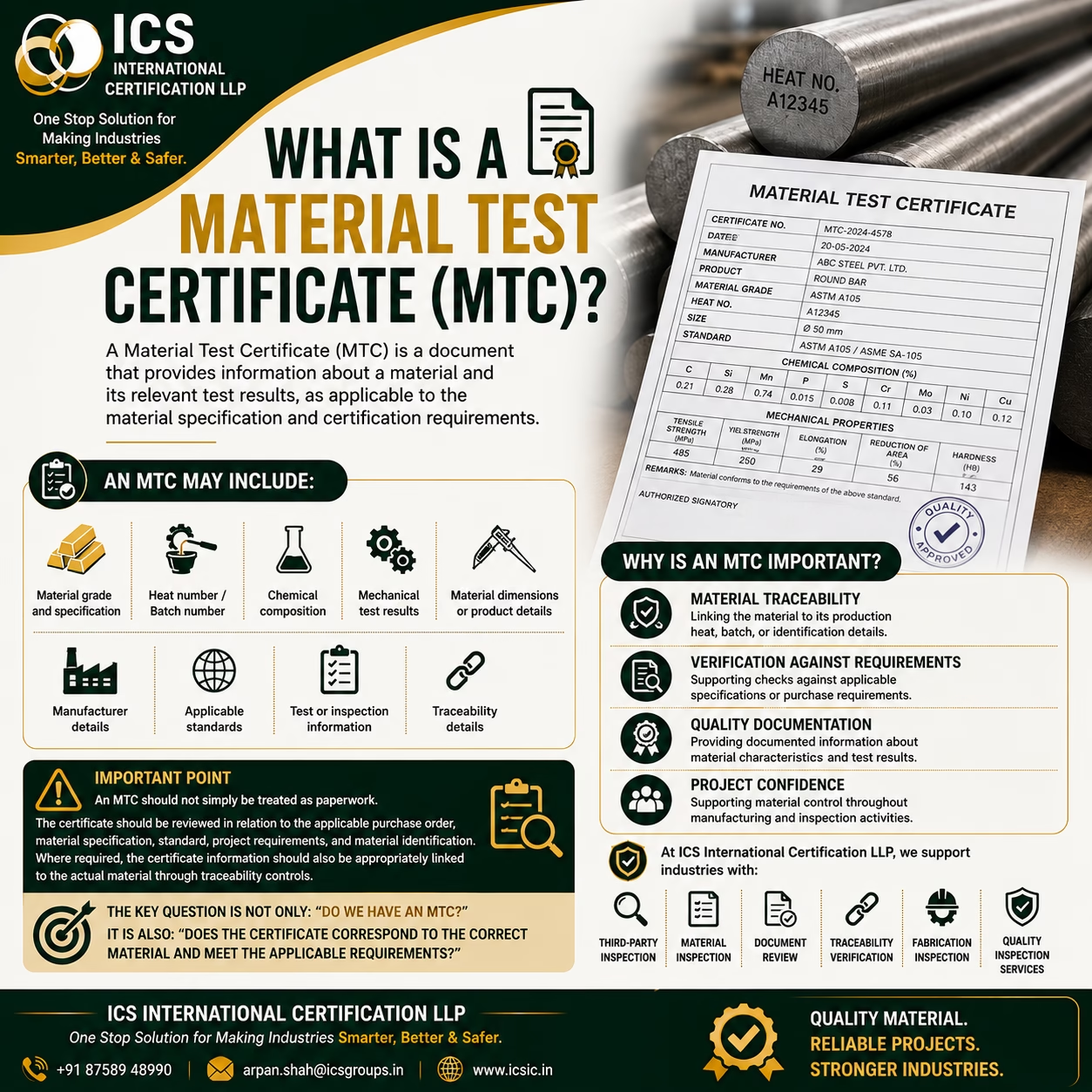
- Material Identification and Traceability
- Visual Inspection of Welds
- Dimensional Inspection
- Witnessing of Welding Activities
- Non-Destructive Testing (NDT) Coordination
- Review of Inspection and Test Plans (ITP)
- Final Inspection and Documentation Review
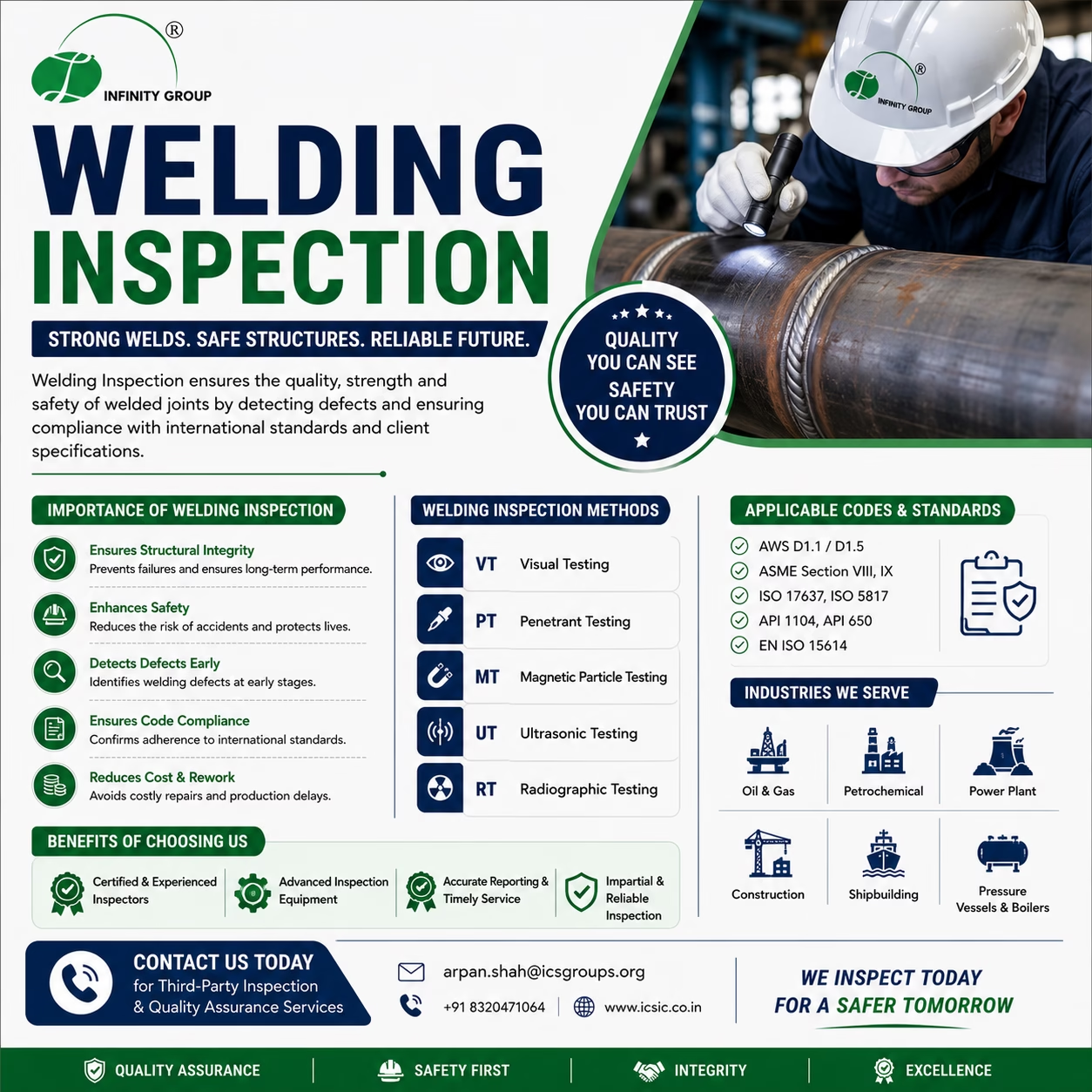
Welding Inspection Methods
Visual Testing (VT)
Inspection of weld appearance, dimensions, alignment, and surface defects.
Penetrant Testing (PT)
Detection of surface-breaking defects in non-porous materials.
Magnetic Particle Testing (MT)
Detection of surface and near-surface discontinuities in ferromagnetic materials.
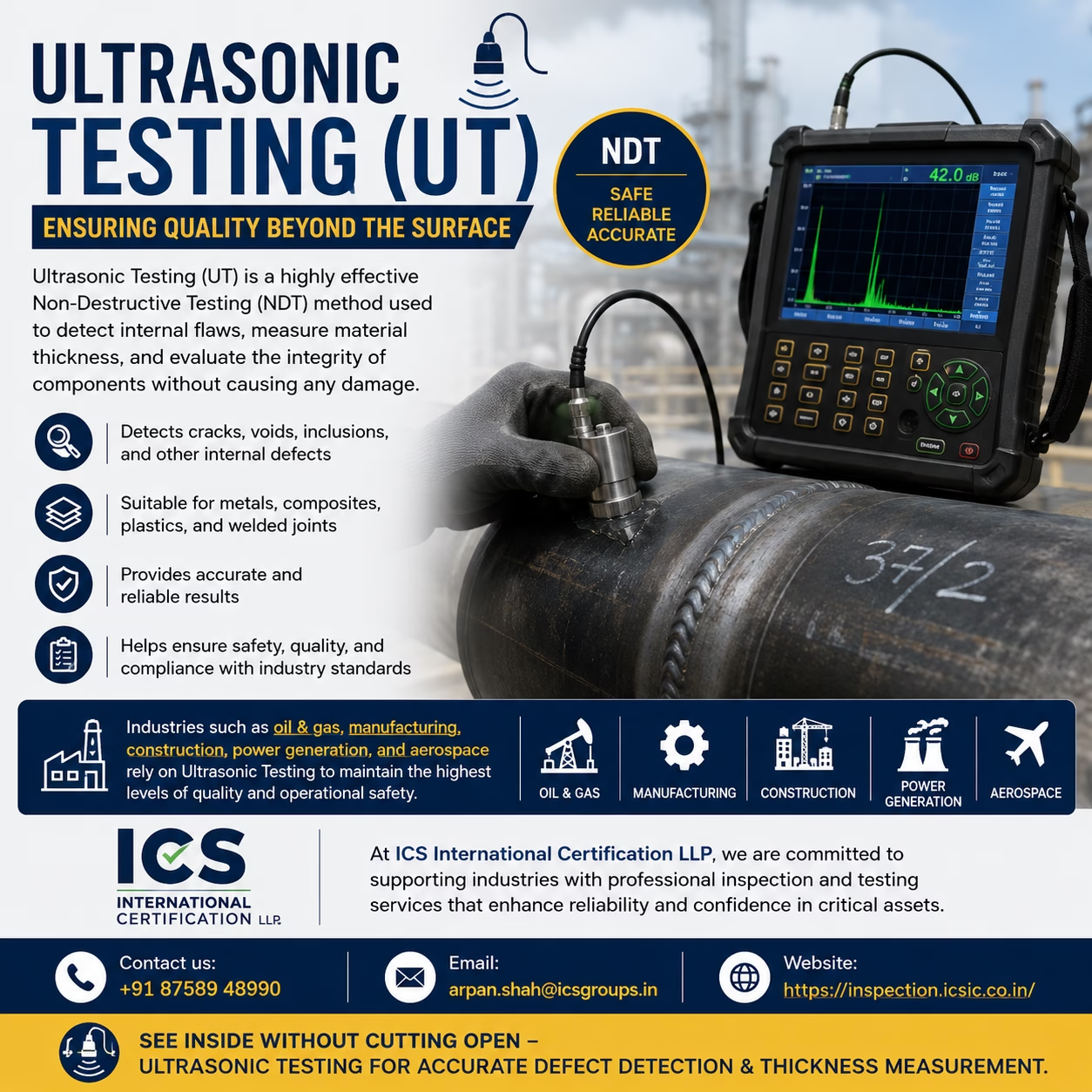
Ultrasonic Testing (UT)
Detection of internal weld defects using high-frequency sound waves.
Radiographic Testing (RT)
Inspection of internal weld quality using X-rays or Gamma rays.
Benefits of Third-Party Welding Inspection
✅ Ensures compliance with international standards
✅ Improves weld quality and reliability
✅ Detects defects before equipment commissioning
✅ Reduces rework and project delays
✅ Enhances operational safety
✅ Provides impartial and independent assessment
✅ Increases customer confidence and acceptance
Applicable Standards
- AWS D1.1 / D1.5
- ASME Section VIII & IX
- API 1104
- API 650
- ISO 3834
- EN ISO 15614
- ISO 9606
Industries Served
- Oil & Gas
- Petrochemical Plants
- Power Plants
- Construction Projects
- Fabrication Industries
- Pressure Vessels & Boilers
- Shipbuilding & Marine
- Infrastructure Projects
Conclusion
Third-Party Welding Inspection plays a critical role in ensuring the safety, quality, and performance of welded structures and equipment. Independent inspection services provide confidence that welding activities comply with project specifications, industry standards, and regulatory requirements.