In today’s competitive global market, ensuring supplier quality is critical for business success. Organizations often rely on two essential quality assurance activities—Supplier Audit and Supplier Inspection. While both aim to reduce risks and maintain standards, they serve very different purposes.
At ICS International Certification LLP, we help organizations implement both effectively to achieve consistent quality and compliance.
What is a Supplier Audit?
A Supplier Audit is a systematic evaluation of a supplier’s processes, systems, and capabilities. It focuses on whether the supplier can consistently meet quality requirements over time.
Key Features:
- Evaluates Quality Management Systems (QMS)
- Reviews documentation, procedures, and records
- Assesses process controls and risk management
- Conducted by qualified auditors
- Based on standards like ISO 9001
Objective:
To answer the question:
“Is this supplier capable of consistently delivering quality products or services?”
What is a Supplier Inspection?
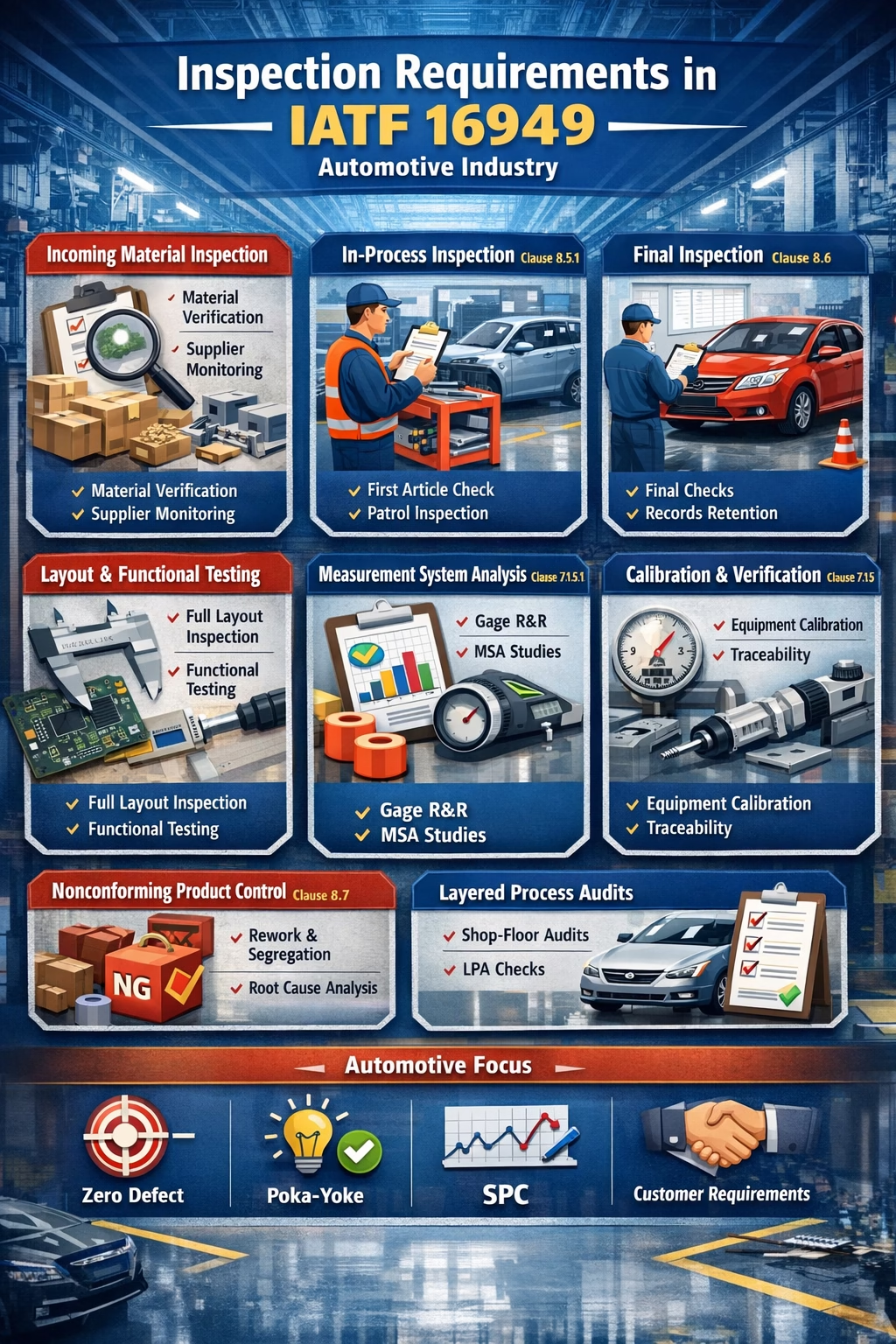
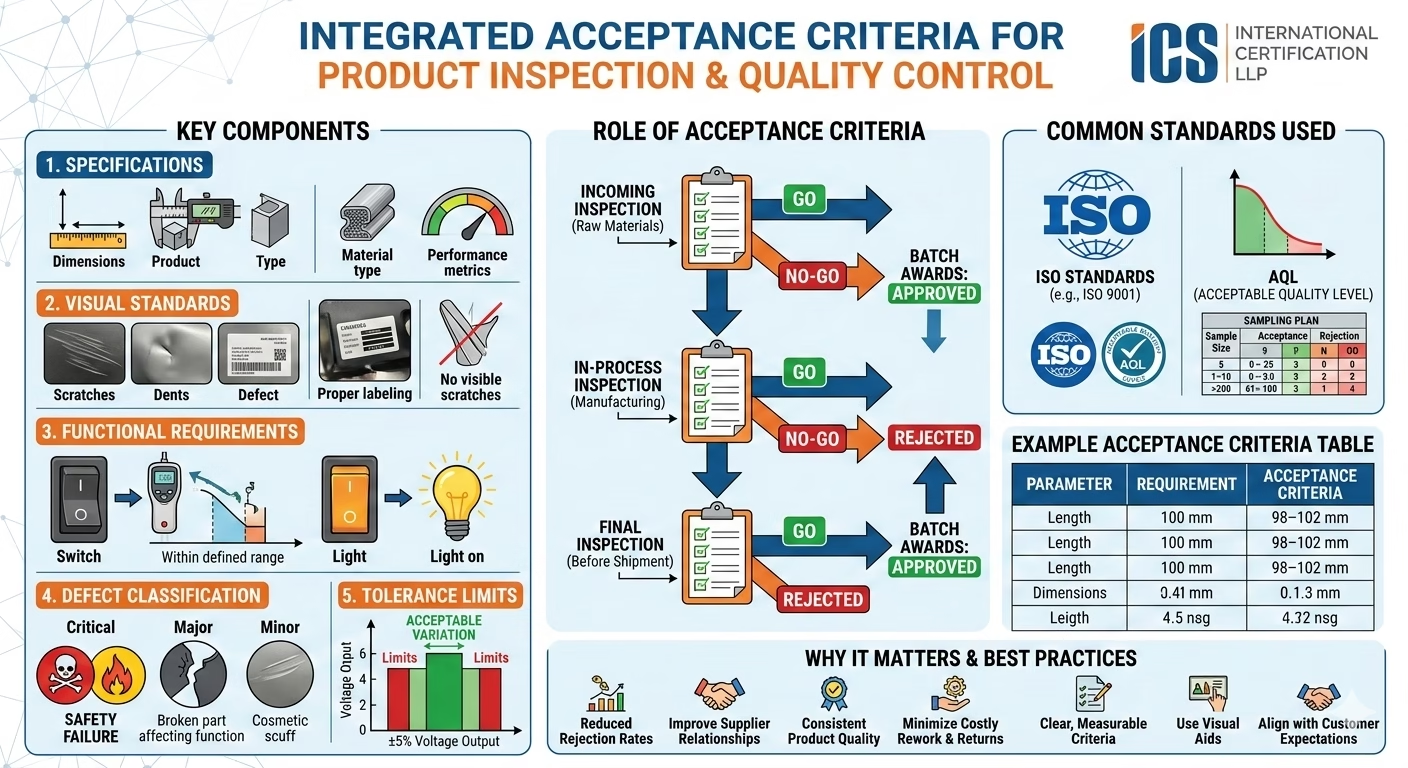
A Supplier Inspection focuses on the actual product or batch being manufactured or delivered. It ensures that the output meets the specified requirements before acceptance or shipment.
Key Features:
- Product-level verification
- Visual, dimensional, and functional checks
- Sampling inspections (AQL-based)
- Conducted during or after production
- Performed by inspectors or third-party agencies
Objective:
To answer the question:
“Does this specific batch meet the required specifications?”
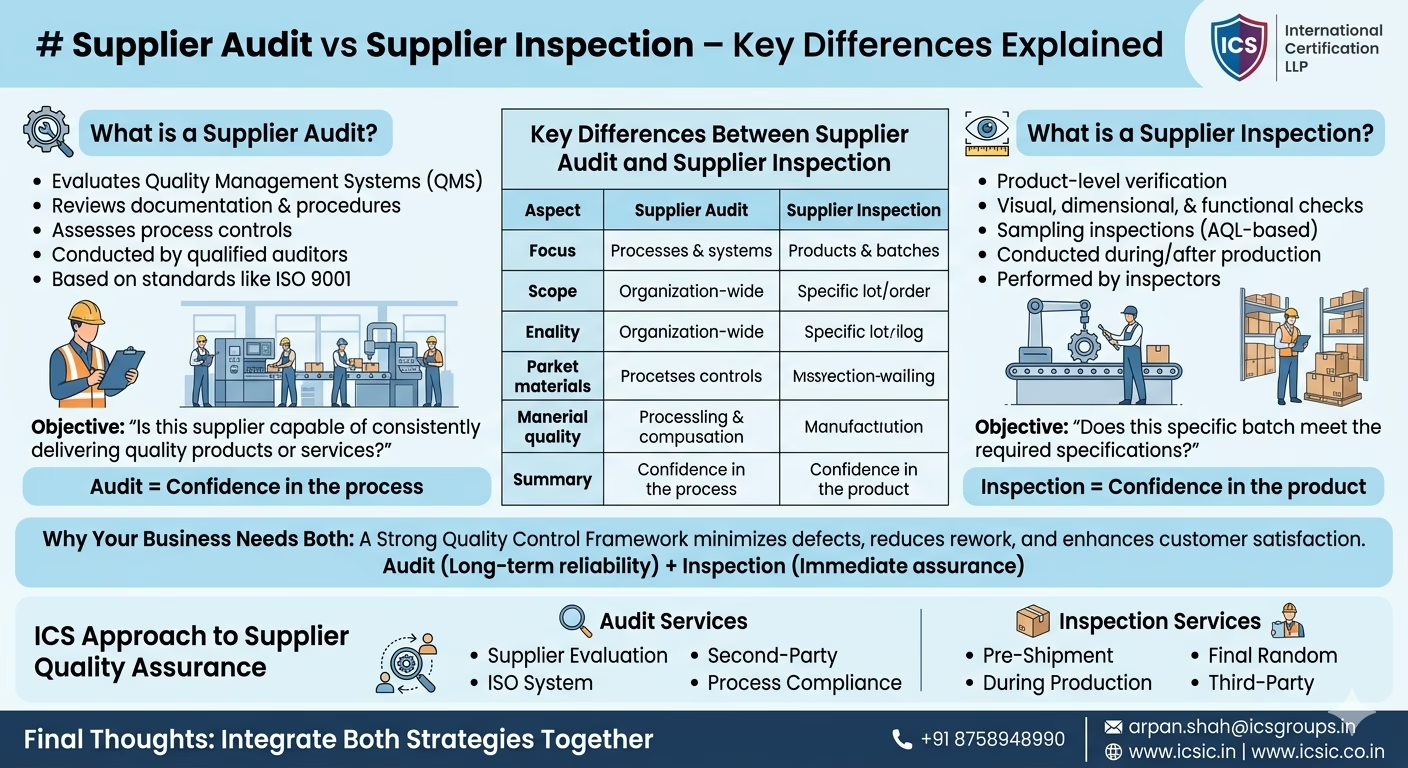
Key Differences Between Supplier Audit and Supplier Inspection
| Aspect | Supplier Audit | Supplier Inspection |
|---|---|---|
| Focus | Processes & systems | Products & batches |
| Scope | Organization-wide | Specific lot/order |
| Timing | Periodic / pre-qualification | During or pre-shipment |
| Frequency | Low (planned intervals) | High (per order) |
| Approach | System evaluation | Physical verification |
| Outcome | Supplier approval / improvement | Product acceptance / rejection |
Why Your Business Needs Both
Relying on only one of these methods can expose your business to quality risks.
- Supplier Audits ensure long-term reliability by verifying systems and processes.
- Supplier Inspections provide immediate assurance that delivered products meet specifications.
Together, they create a strong quality control framework that minimizes defects, reduces rework, and enhances customer satisfaction.
ICS Approach to Supplier Quality Assurance
At ICS International Certification LLP, we offer a comprehensive approach:
🔍 Audit Services
- Supplier Evaluation & Vendor Qualification Audits
- Second-Party Audits
- ISO System Audits
- Process & Compliance Audits
📦 Inspection Services
- Pre-Shipment Inspection (PSI)
- During Production Inspection (DPI)
- Final Random Inspection (FRI)
- Third-Party Quality Inspections
Our integrated approach ensures both process reliability and product quality, helping clients build a robust and dependable supply chain.
Final Thoughts
Understanding the difference between Supplier Audit and Supplier Inspection is essential for effective quality management.
- Audit = Confidence in the process
- Inspection = Confidence in the product
For best results, businesses should implement both strategies together.