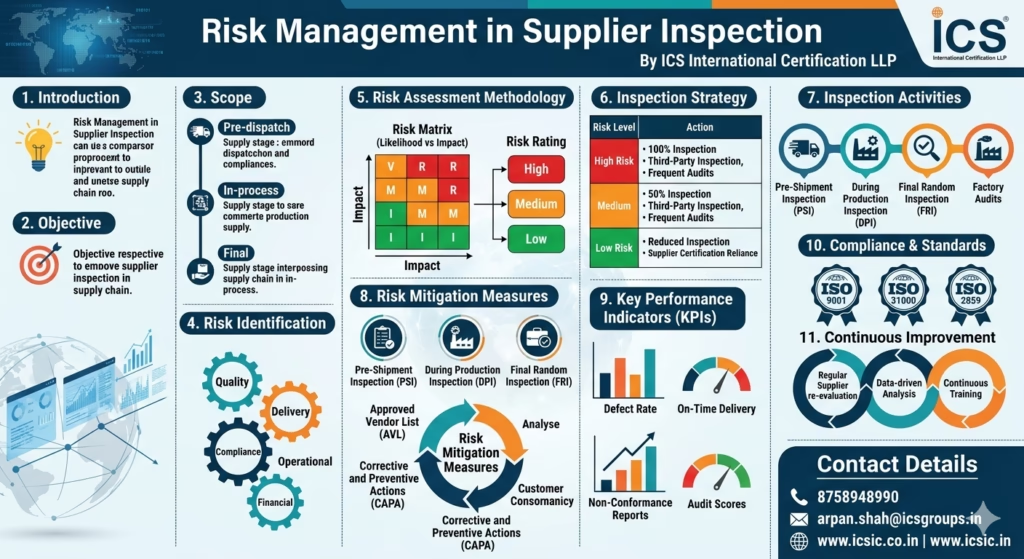
By ICS International Certification LLP
1. Introduction
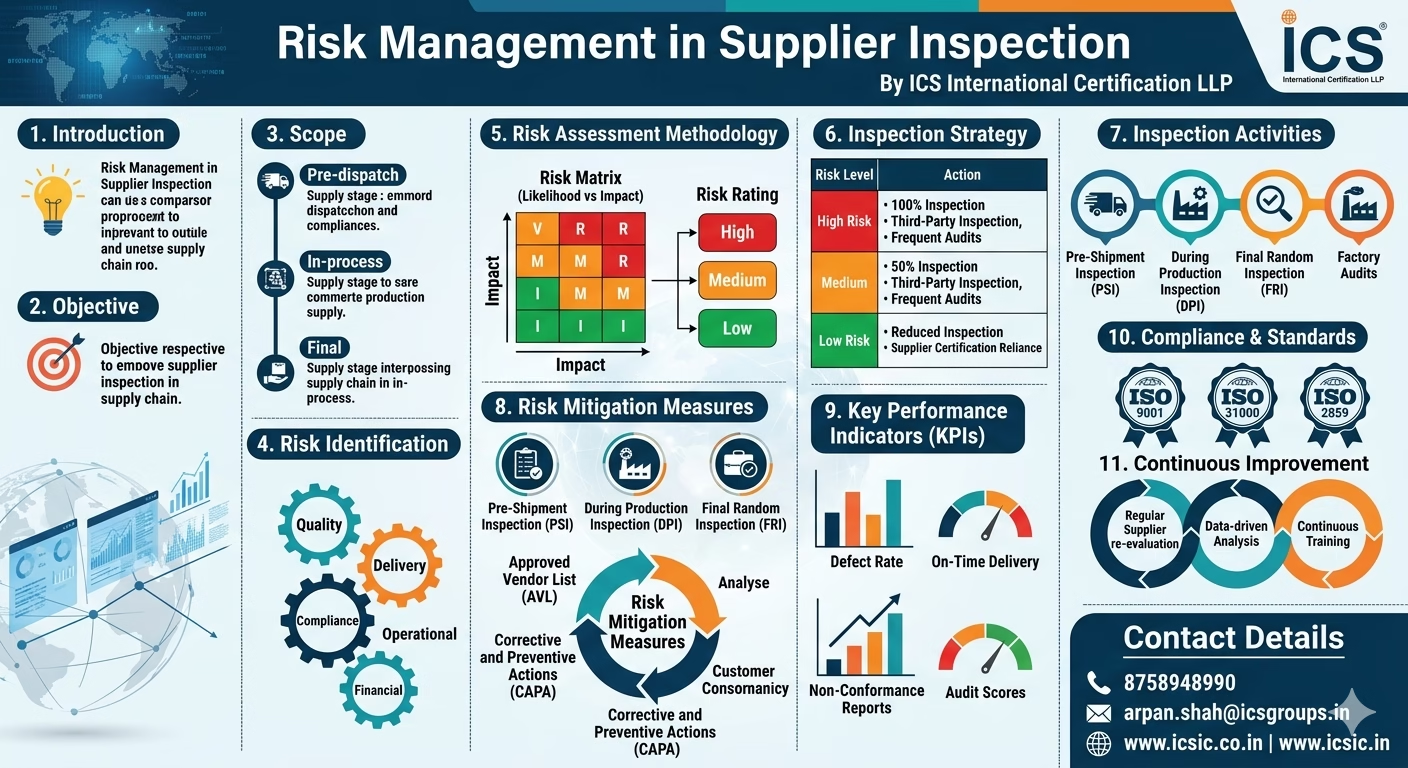
Risk Management in Supplier Inspection is a systematic approach adopted by ICS International Certification LLP to identify, evaluate, and mitigate risks associated with suppliers. This ensures that materials, components, and services meet required quality, safety, and regulatory standards before reaching the client.
2. Objective
The objective of this process is to:
- Ensure consistent product quality
- Minimize supply chain disruptions
- Enhance supplier reliability
- Reduce cost of poor quality (COPQ)
- Ensure compliance with applicable standards and specifications
3. Scope
This procedure applies to:
- All suppliers providing materials, equipment, or services
- Pre-dispatch, in-process, and final inspections
- Vendor evaluation and monitoring activities
4. Risk Identification
ICS identifies supplier-related risks under the following categories:
- Quality Risk: Non-conforming products or defects
- Delivery Risk: Delays or logistics failures
- Compliance Risk: Non-adherence to standards/regulations
- Operational Risk: Inadequate processes or capacity
- Financial Risk: Supplier instability
5. Risk Assessment Methodology
5.1 Supplier Classification
Suppliers are categorized based on:
- Criticality of supplied items
- Past performance history
- Industry experience and certifications
5.2 Risk Evaluation Tools
- Risk Matrix (Likelihood vs Impact)
- Failure Mode and Effects Analysis (FMEA)
- Historical inspection and audit data
5.3 Risk Rating
- High Risk
- Medium Risk
- Low Risk
6. Inspection Strategy
Based on risk level, ICS adopts the following inspection approach:
| Risk Level | Inspection Method |
|---|---|
| High Risk | 100% Inspection, Third-Party Inspection, Frequent Audits |
| Medium Risk | Sampling Inspection, Periodic Audits |
| Low Risk | Reduced Inspection, Supplier Certification Reliance |
7. Inspection Activities
ICS performs the following inspection services:
- Pre-Shipment Inspection (PSI)
- During Production Inspection (DPI)
- Final Random Inspection (FRI)
- Factory Audits
- Witness Testing
8. Risk Mitigation Measures
- Development of Approved Vendor List (AVL)
- Supplier Quality Agreements
- Incoming Material Inspection Plans
- Periodic Supplier Audits
- Corrective and Preventive Actions (CAPA)
- Traceability and Documentation Control
9. Key Performance Indicators (KPIs)
ICS monitors supplier performance using:
- Defect Rate (PPM)
- On-Time Delivery (%)
- Non-Conformance Reports (NCR)
- Audit Scores
- Customer Complaints
10. Compliance & Standards
ICS aligns its inspection and risk management practices with internationally recognized standards, including:
- ISO 9001 – Quality Management Systems
- ISO 31000 – Risk Management Guidelines
- ISO 2859 – Sampling Procedures
11. Continuous Improvement
ICS ensures continuous improvement through:
- Regular supplier re-evaluation
- Data-driven analysis and reporting
- Training and competency development
- Adoption of digital inspection tools