BY ICS International Certification LLP
Building a long-term supplier quality program is not just about audits—it’s about creating a sustainable, risk-based partnership model that ensures consistent product quality, compliance, and continuous improvement.
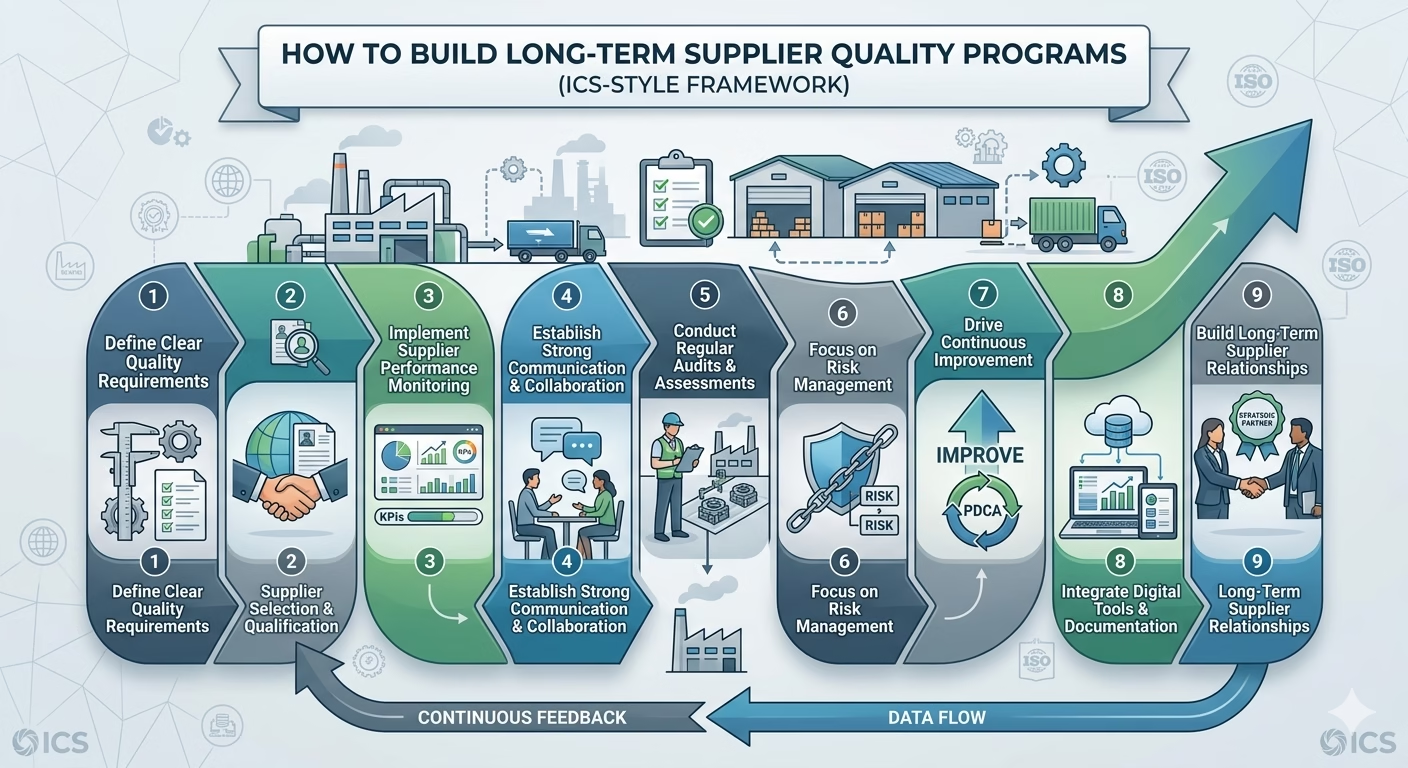
1. Define Clear Quality Requirements
Start by aligning supplier expectations with your internal Quality Management System (QMS), such as ISO 9001.
- Define specifications, tolerances, and acceptance criteria
- Include regulatory and customer-specific requirements
- Ensure documentation and traceability
A structured QMS helps organizations improve consistency and customer trust. (icsic.in)
2. Supplier Selection & Qualification
Choose suppliers not just on cost, but on capability and reliability.
Key steps:
- Pre-qualification audits (2nd party audits)
- Technical capability assessment
- Financial and operational stability check
Organizations like ICS International Certification LLP emphasize supplier audits as part of strong supply chain control systems. (icsic.in)
3. Implement Supplier Performance Monitoring
Long-term programs rely on measurable data.
Track:
- Quality (defect rates, rejections)
- Delivery performance
- Responsiveness and corrective actions
Use tools like:
- Scorecards
- KPIs
- Pareto analysis
Consistent monitoring ensures early detection of risks and continuous improvement. (ics-mfg.com)
4. Establish Strong Communication & Collaboration
Treat suppliers as partners, not vendors.
Best practices:
- Regular review meetings
- Transparent feedback loops
- Joint improvement initiatives
This builds trust and reduces supply chain disruptions.
5. Conduct Regular Audits & Assessments
Audits are essential for long-term quality assurance.
Types:
- Initial qualification audits
- Periodic surveillance audits
- Risk-based audits for critical suppliers
Third-party certification bodies (like ICS) provide independent audits to ensure compliance and objectivity. (icsic.co.in)
6. Focus on Risk Management
Modern supplier programs must be risk-driven.
Include:
- Risk assessment (FMEA, hazard analysis)
- Contingency planning
- Multi-sourcing strategies
This aligns with global best practices in quality and compliance systems.
7. Drive Continuous Improvement
A long-term program should evolve over time.
Approaches:
- Corrective and Preventive Actions (CAPA)
- Lean / Six Sigma initiatives
- Supplier training and development
Continuous improvement ensures competitiveness and sustainability.
8. Integrate Digital Tools & Documentation
Digitization enhances visibility and control.
Use:
- Supplier management software
- Real-time dashboards
- Document control systems
This ensures better traceability and faster decision-making.
9. Build Long-Term Supplier Relationships
Move from transactional to strategic partnerships.
- Develop preferred supplier programs
- Offer training and support
- Recognize high-performing suppliers
Strong relationships lead to better innovation and reliability.
Key Takeaway
A successful long-term supplier quality program combines:
- Structured standards (ISO-based systems)
- Data-driven monitoring
- Regular audits and risk management
- Strong supplier collaboration
Organizations working with certification bodies like ICS International Certification LLP can implement these frameworks more effectively through audits, training, and compliance support.