By ICS International Certification LLP
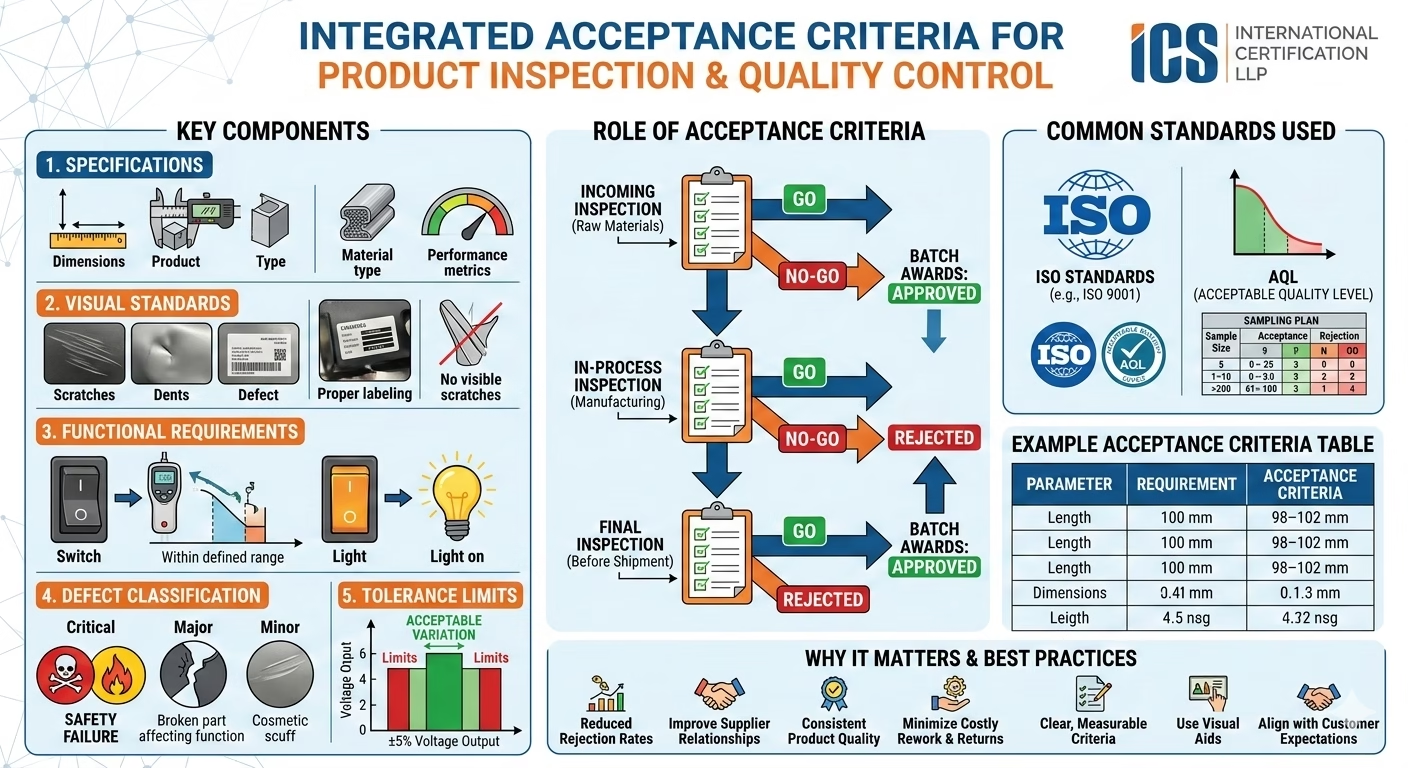
In product inspecion, acceptance criteria define the standards a product must meet to be approved. They act as a clear checklist that ensures consistency, quality, and compliance with customer and regulatory requirements.
Acceptance criteria typically include measurable specifications such as dimensions and performance, visual requirements like surface finish and labeling, and functional checks to confirm the product works as intended. They also classify defects into critical, major, and minor categories, helping inspectors make objective decisions.
Using well-defined acceptance criteria reduces subjectivity, minimizes disputes between buyers and suppliers, and ensures consistent product quality across batches. Many industries follow recognized standards and sampling methods to determine acceptable defect levels.
For businesses, strong acceptance criteria are essential—they improve quality control, reduce rework, and build trust with customers. At ICS International Certification LLP, we emphasize clear, practical, and measurable inspection standards to help organizations maintain excellence in their products.