How to Create an Effective Inspection Plan: A Practical Guide for Businesses
In today’s competitive and compliance-driven environment, having a well-structured inspection plan is essential for maintaining quality, ensuring consistency, and meeting regulatory requirements. Whether you operate in manufacturing, construction, healthcare, or services, an effective inspection plan helps minimize defects, reduce risks, and improve customer satisfaction.
At ICS International Certification LLP, we often see organizations struggle not because they lack intent—but because they lack a clear, practical inspection framework. This guide will help you build one.
What is an Inspection Plan?
An inspection plan is a documented framework that defines:
- What needs to be inspected
- When inspections should occur
- How inspections will be performed
- Who is responsible
It acts as a roadmap for quality control throughout your processes.
Why is an Inspection Plan Important?
A well-designed inspection plan helps you:
- Ensure compliance with standards like ISO 9001
- Detect defects early and reduce rework
- Improve product consistency and reliability
- Build customer trust and brand reputation
- Prepare effectively for audits and certifications
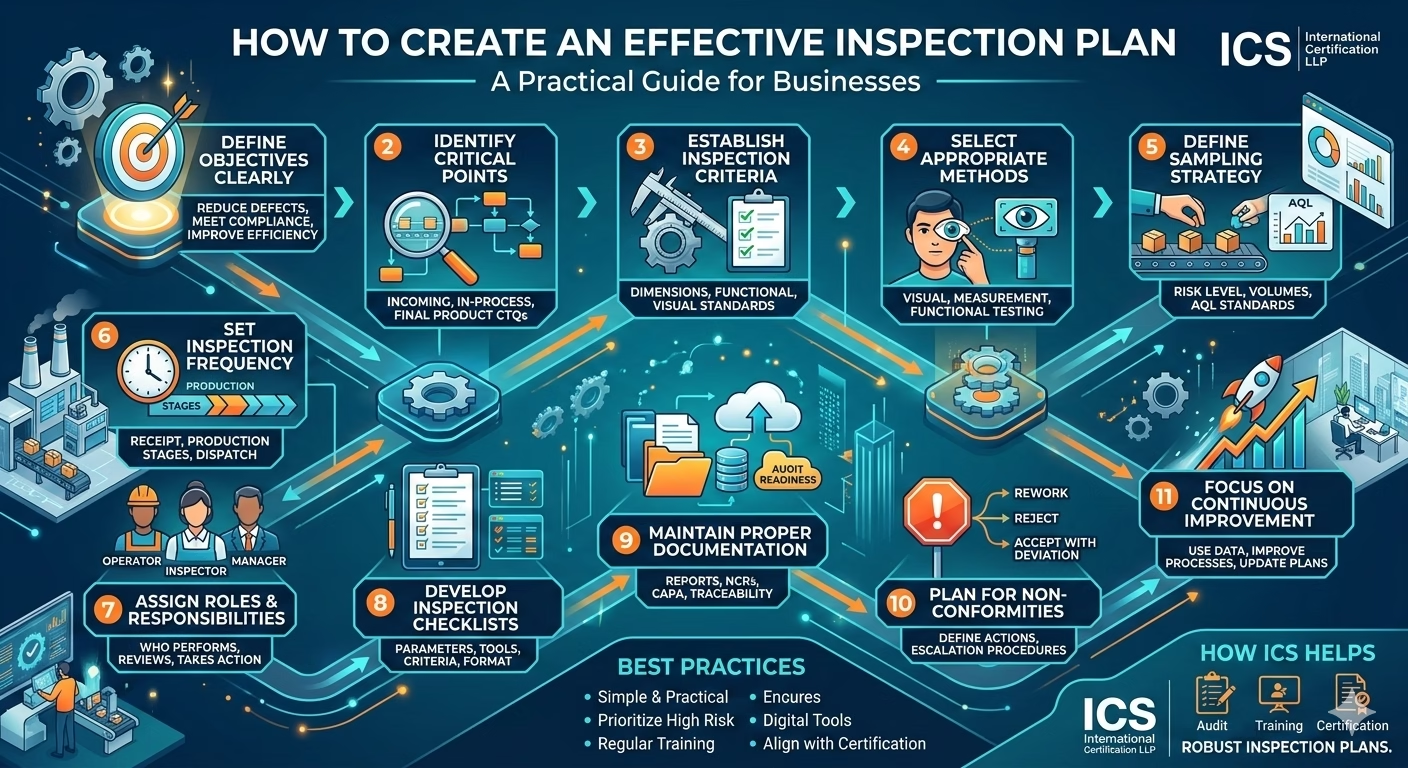
Step-by-Step Guide to Creating an Effective Inspection Plan
1. Define Objectives Clearly
Start with a clear purpose. Ask:
- Are you aiming to reduce defects?
- Meet regulatory requirements?
- Improve process efficiency?
Your objectives will shape the entire plan.
2. Identify Critical Inspection Points
Map your process and identify where inspections are needed:
- Incoming materials
- In-process stages
- Final product checks
Focus especially on critical-to-quality (CTQ) parameters.
3. Establish Inspection Criteria
Define measurable standards such as:
- Dimensions and tolerances
- Functional requirements
- Visual quality standards
Ensure these are aligned with customer specifications and industry norms.
4. Select Appropriate Inspection Methods
Choose the right techniques based on your product or service:
- Visual inspection
- Measurement using instruments
- Functional or performance testing
Automation can also be considered for consistency and efficiency.
5. Define Sampling Strategy
Not all inspections require 100% checking. You can use sampling methods based on:
- Risk level
- Production volume
Standards like AQL are commonly used to determine sample size and acceptance criteria.
6. Set Inspection Frequency
Decide when inspections should occur:
- At receipt of materials
- During production
- Before dispatch
This ensures quality is maintained at every stage.
7. Assign Roles and Responsibilities
Clearly define:
- Who performs inspections
- Who reviews results
- Who takes action on non-conformities
Accountability is key to effectiveness.
8. Develop Inspection Checklists
Create structured checklists that include:
- Parameters to inspect
- Tools required
- Acceptance criteria
- Recording format
This ensures consistency across inspections.
9. Maintain Proper Documentation
Keep detailed records such as:
- Inspection reports
- Non-conformance reports (NCRs)
- Corrective and preventive actions (CAPA)
Proper documentation supports traceability and audit readiness.
10. Plan for Non-Conformities
Define clear actions when issues arise:
- Rework
- Rejection
- Acceptance with deviation
Also establish escalation procedures to prevent recurrence.
11. Focus on Continuous Improvement
Use inspection data to:
- Identify recurring issues
- Improve processes
- Update inspection plans regularly
Continuous improvement is a core principle of quality management.
Best Practices for an Effective Inspection Plan
- Keep the plan simple and practical
- Prioritize high-risk areas
- Train inspection personnel regularly
- Use digital tools for better tracking and reporting
- Align your plan with certification requirements
How ICS International Certification LLP Can Help
At ICS International Certification LLP, we support organizations in designing and implementing robust inspection plans aligned with international standards. Our expertise in audits, training, and certification ensures your processes are not only compliant but also efficient and sustainable.
Conclusion
An effective inspection plan is more than just a checklist—it is a strategic tool that drives quality, compliance, and business success. By following a structured approach and aligning with globally recognized standards, your organization can achieve consistent performance and long-term growth.
Need help developing your inspection plan or preparing for certification? Connect with ICS International Certification LLP today to get expert guidance tailored to your industry.