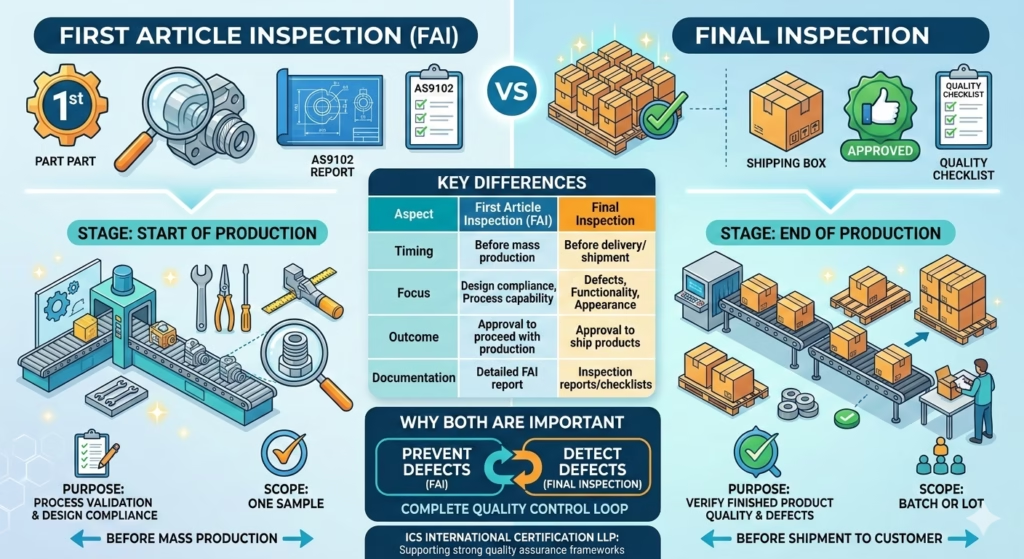
In manufacturing, inspection plays a crucial role in ensuring product quality and compliance. Two commonly used inspection methods are First Article Inspection (FAI) and Final Inspection. While both aim to ensure quality, they serve very different purposes at different stages of production.
Understanding the difference between these two processes helps organizations improve efficiency, reduce defects, and meet customer expectations.
What is First Article Inspection (FAI)?
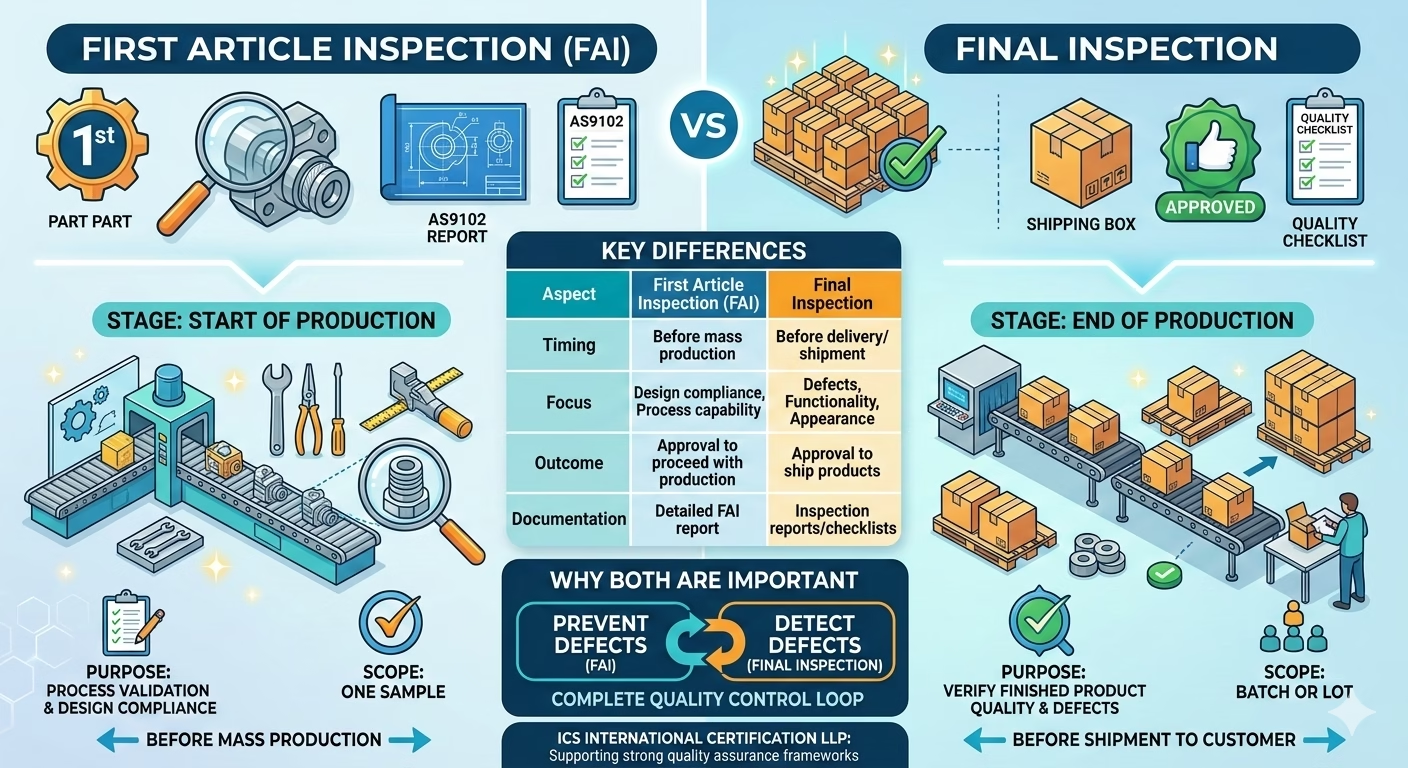
First Article Inspection (FAI) is performed at the beginning of production. It involves a detailed verification of the first produced part to ensure that all design specifications, materials, and processes are correctly implemented.
FAI acts as a process validation step before mass production begins.
What is Final Inspection?
Final Inspection is carried out at the end of the manufacturing process, just before products are delivered to the customer. It ensures that finished goods meet all quality standards and are free from defects.
It acts as a quality control checkpoint before shipment.
Key Differences Between FAI and Final Inspection
| Aspect | First Article Inspection (FAI) | Final Inspection |
|---|---|---|
| Stage | Beginning of production | End of production |
| Purpose | Validate manufacturing process | Verify finished product quality |
| Focus | Design compliance & process capability | Defects, functionality, and appearance |
| Scope | One sample (first part) | Batch or full lot |
| Timing | Before mass production | Before delivery/shipment |
| Documentation | Detailed FAI report (e.g., AS9102) | Inspection reports/checklists |
| Outcome | Approval to proceed with production | Approval to ship products |
Why Both Are Important
1. Prevent vs Detect
- FAI prevents defects by validating the process early
- Final Inspection detects defects before products reach customers
2. Cost Efficiency
FAI reduces costly errors at scale, while Final Inspection ensures only conforming products are delivered.
3. Quality Assurance System
Together, they form a complete quality control loop—from process validation to final product verification.
When to Use Each?
- Use FAI when:
- Launching a new product
- Making design or process changes
- Changing suppliers or materials
- Use Final Inspection when:
- Completing production batches
- Preparing for shipment
- Ensuring customer-specific requirements are met
How ICS International Certification LLP Supports You
At ICS International Certification LLP, we help organizations implement strong quality assurance frameworks aligned with international standards. Our certification and consulting services ensure that both FAI and Final Inspection processes are effectively integrated into your quality management system.