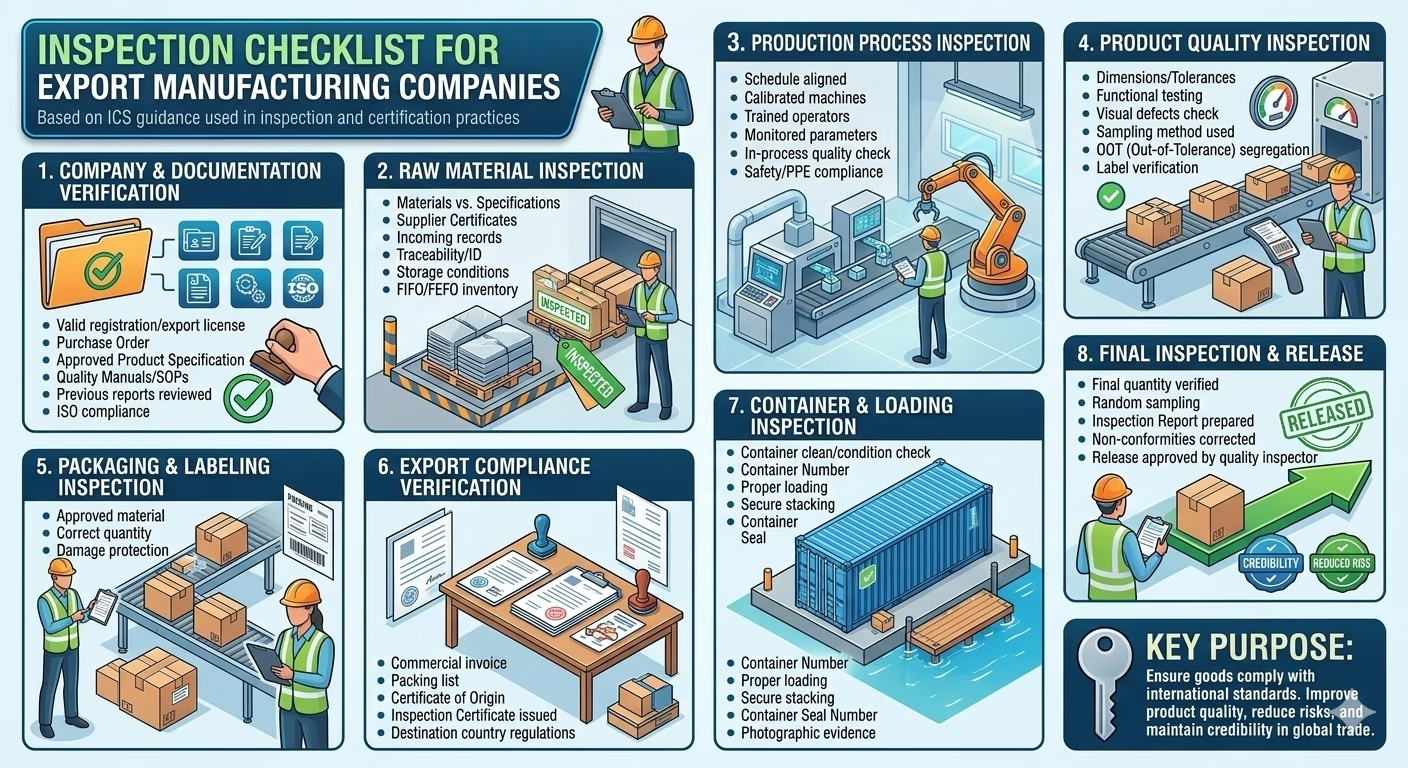
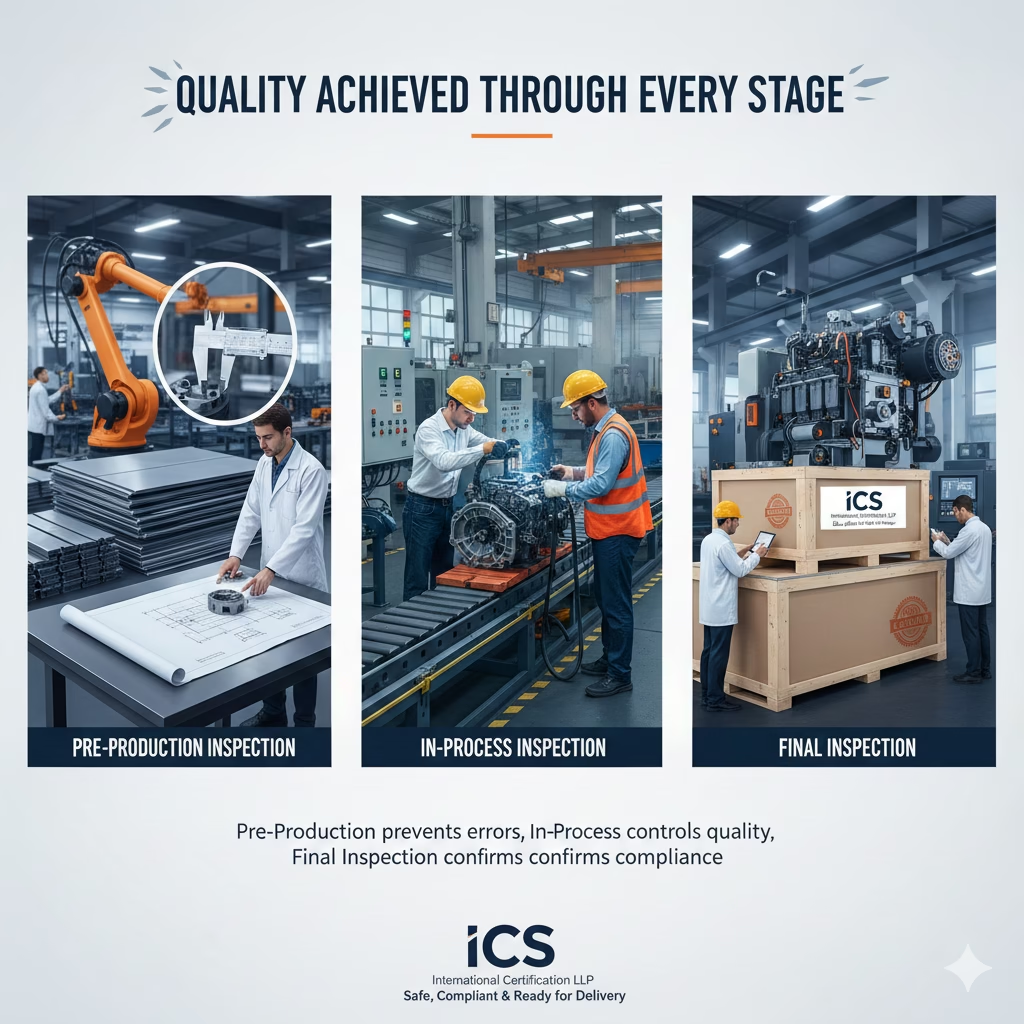
Quality is achieved when inspection is performed throughout the manufacturing cycle — not only at the end. Inspection is mainly divided into three important stages:
1) Pre-Production Inspection (PPI)
Conducted before manufacturing starts to verify raw materials, drawings, machine calibration, and process readiness.
Purpose: Prevent defects before production begins.
2) In-Process Inspection (IPI)
Performed during manufacturing to check dimensions, welding, assembly, and process parameters.
Purpose: Detect and correct problems early to avoid rejection.
3) Final Inspection (FI)
Done after production completion to confirm product quality, performance, marking, and documentation.
Purpose: Ensure the product meets customer and standard requirements before dispatch.
Conclusion:
Pre-Production prevents errors, In-Process controls quality, and Final Inspection confirms compliance.
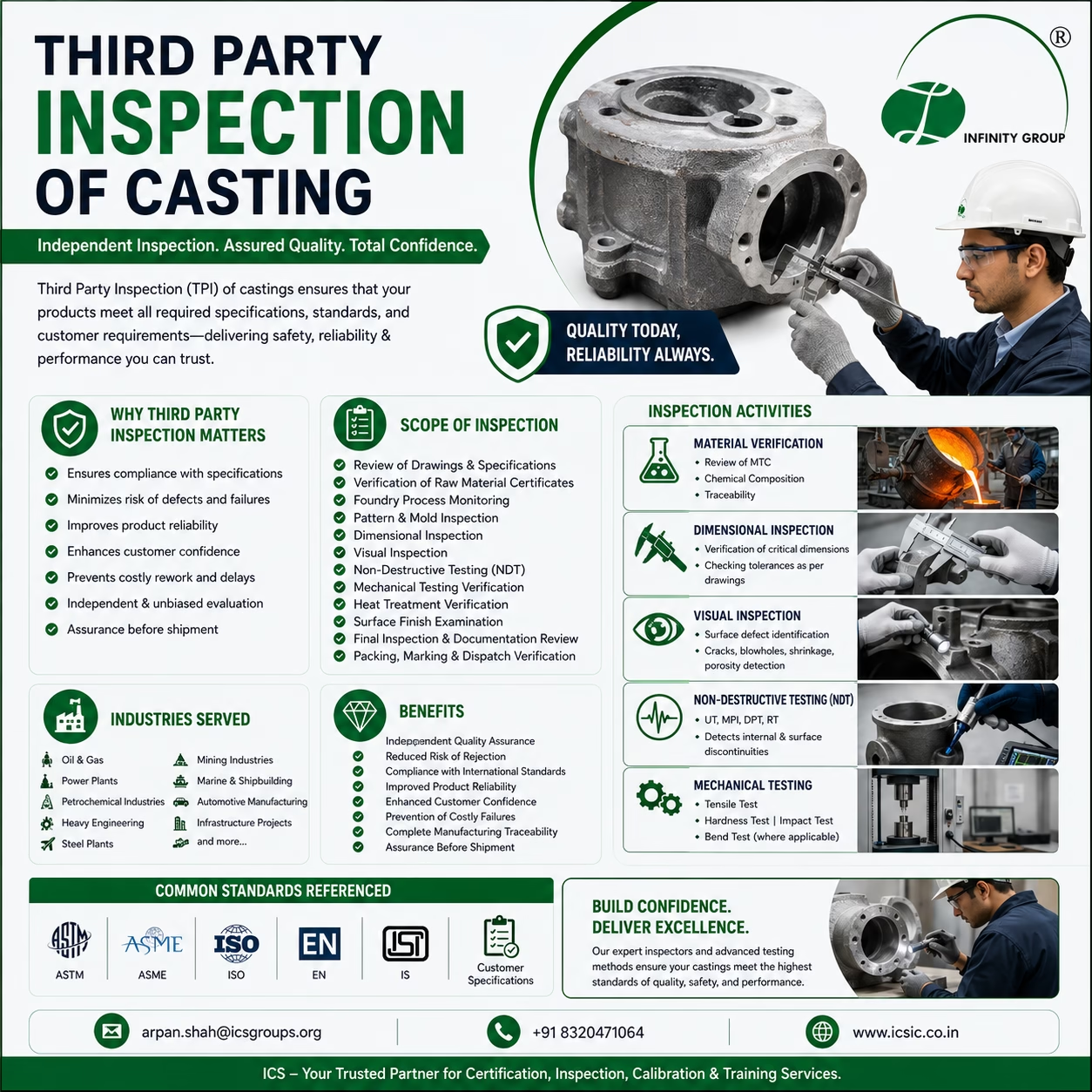
ICS International Certification LLP provides reliable third-party inspection to ensure your product is safe, compliant, and ready for delivery.