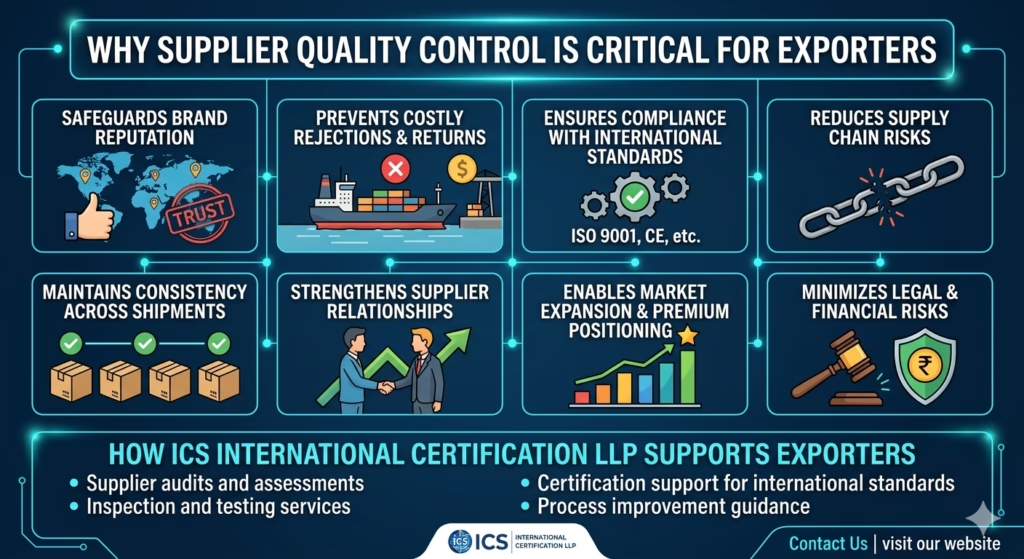
Why Supplier Quality Control Is Critical for Exporters
In today’s highly competitive global market, exporters face increasing pressure to deliver consistent quality while meeting strict international standards. One of the most crucial yet often overlooked aspects of export success is Supplier Quality Control (SQC). For exporters, the quality of supplied materials or finished goods directly impacts brand reputation, compliance, and profitability.
This article explores why supplier quality control is not just important—but essential—for exporters.
What is Supplier Quality Control?
Supplier Quality Control refers to the processes and systems used to ensure that suppliers consistently deliver products that meet predefined quality standards. It involves supplier evaluation, audits, inspections, testing, and continuous performance monitoring.
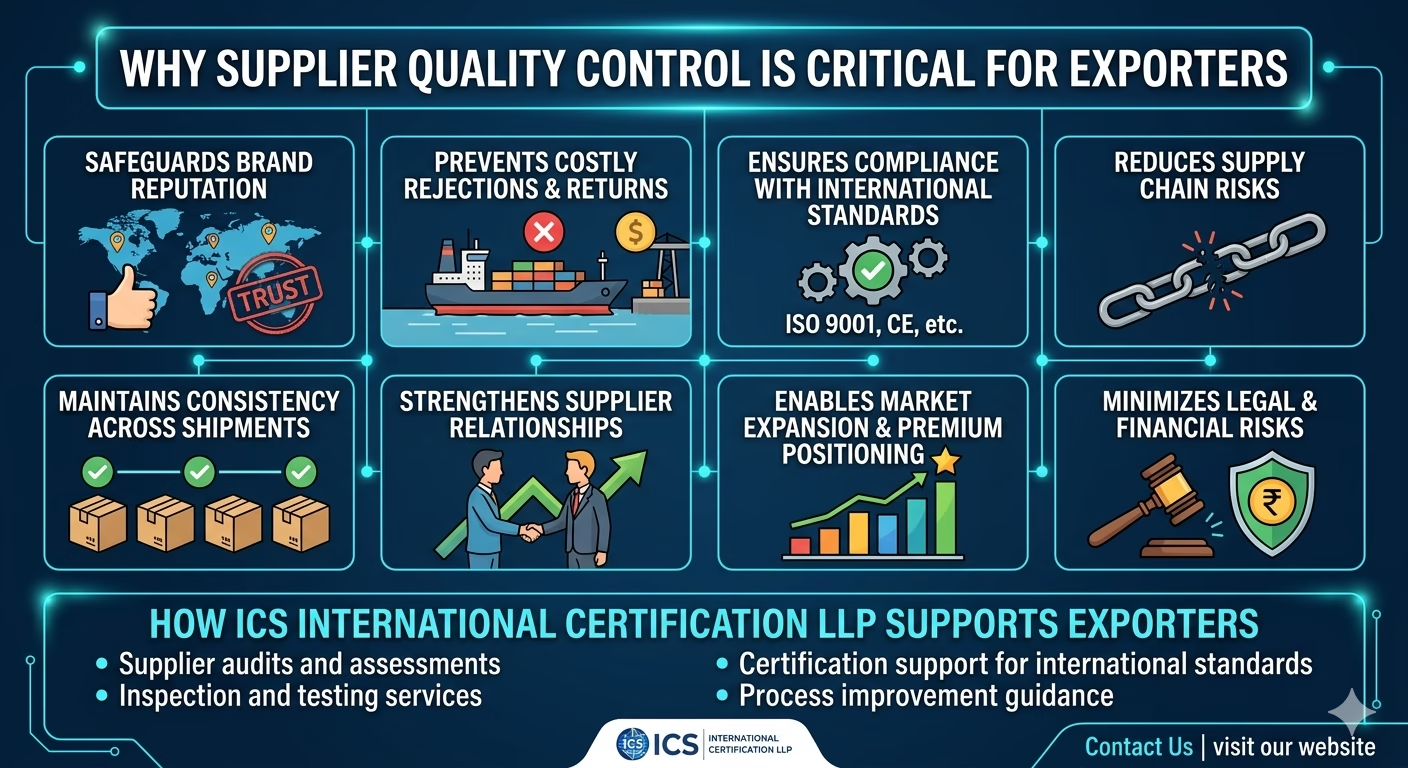
1. Safeguards Brand Reputation
In international trade, your supplier’s product becomes your brand in the eyes of global customers. Any defect or inconsistency can damage your credibility and lead to negative feedback, loss of trust, and reduced repeat business.
Implementing strong quality control measures ensures that only products meeting your standards reach the market, helping you build a reliable and respected brand.
2. Prevents Costly Rejections and Returns
Export shipments are subject to stringent inspections at destination ports. Poor-quality goods can result in shipment rejections, delays, penalties, or even returns—leading to significant financial losses.
Supplier quality control helps identify and resolve issues at the source, reducing the risk of such costly disruptions.
3. Ensures Compliance with International Standards
Different countries enforce strict regulatory requirements and certifications. Non-compliance can lead to shipment holds, legal issues, or product recalls.
A robust supplier quality control system ensures that products meet all relevant international standards and regulatory requirements, enabling smooth market entry.
4. Reduces Supply Chain Risks
Unreliable suppliers can cause production delays, inconsistent quality, and missed delivery deadlines. These risks can affect your commitments to international clients.
Regular supplier audits, inspections, and performance evaluations help identify potential risks early and ensure a stable, predictable supply chain.
5. Maintains Consistency Across Shipments
Exporters often deal with large volumes and repeat orders. Inconsistent quality across batches can lead to customer dissatisfaction and contract losses.
Supplier quality control ensures uniformity in production, helping maintain consistent quality across every shipment.
6. Strengthens Supplier Relationships
Quality control is not just about identifying defects—it’s about continuous improvement. Clear quality expectations, regular feedback, and structured evaluations help suppliers improve their processes.
This leads to stronger, more transparent, and long-term business relationships.
7. Enables Market Expansion and Premium Positioning
Consistent quality opens doors to highly regulated and premium markets such as Europe, the United States, and Japan. It also allows exporters to command better pricing and build long-term contracts.
8. Minimizes Legal and Financial Risks
Defective or non-compliant products can lead to legal disputes, penalties, or product recalls. These risks can significantly impact business operations and finances.
Effective supplier quality control acts as a preventive mechanism, protecting exporters from such liabilities.
How ICS International Certification LLP Supports Exporters
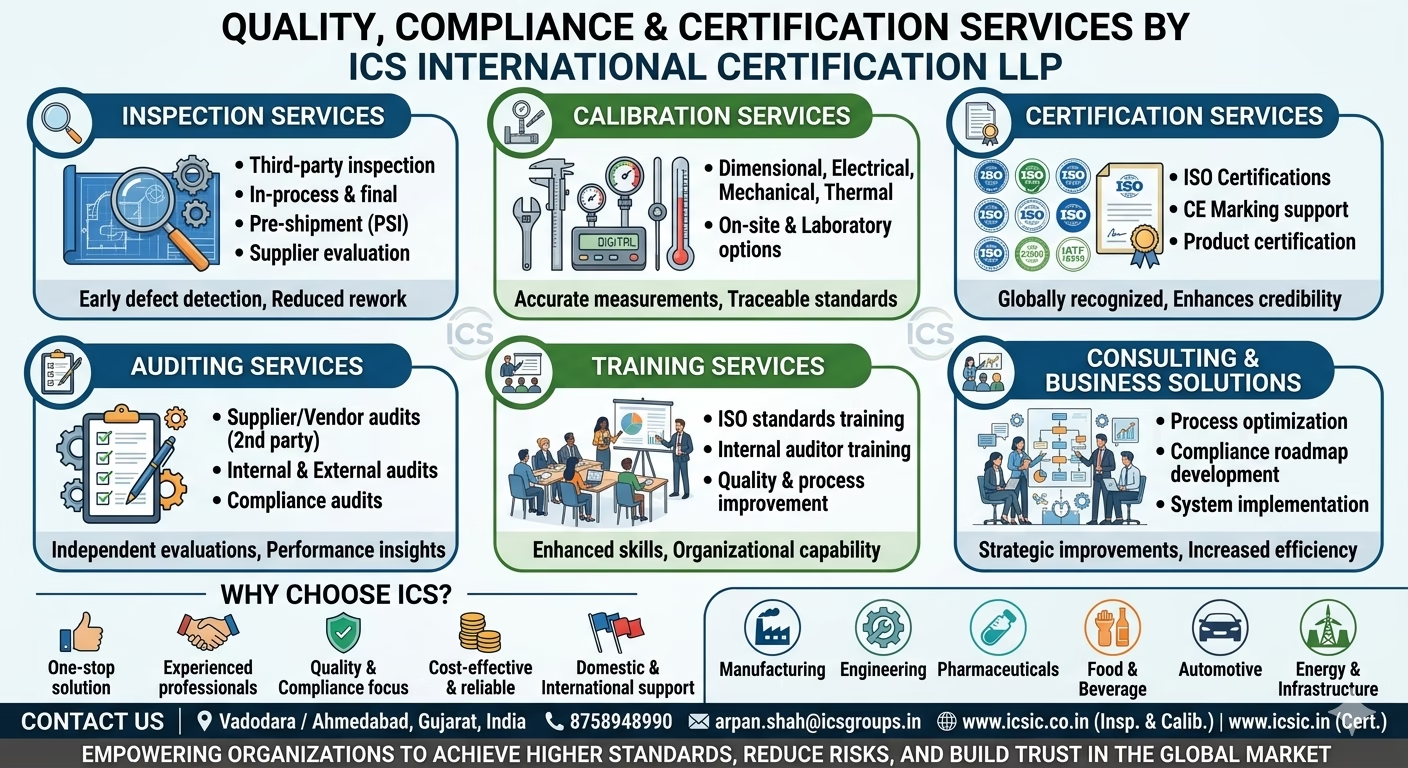
At ICS International Certification LLP, we help exporters implement effective supplier quality control systems through:
- Supplier audits and assessments
- Inspection and testing services
- Certification support for international standards
- Process improvement guidance
Our expertise ensures that your supply chain meets global quality benchmarks, helping you export with confidence.
Conclusion
Supplier Quality Control is not just a quality function—it is a strategic necessity for exporters. By ensuring consistent product quality, regulatory compliance, and supply chain reliability, exporters can protect their brand, reduce risks, and achieve sustainable growth in international markets.
Investing in supplier quality control today is an investment in long-term success.
For more information about our services, contact ICS International Certification LLP or visit our website.