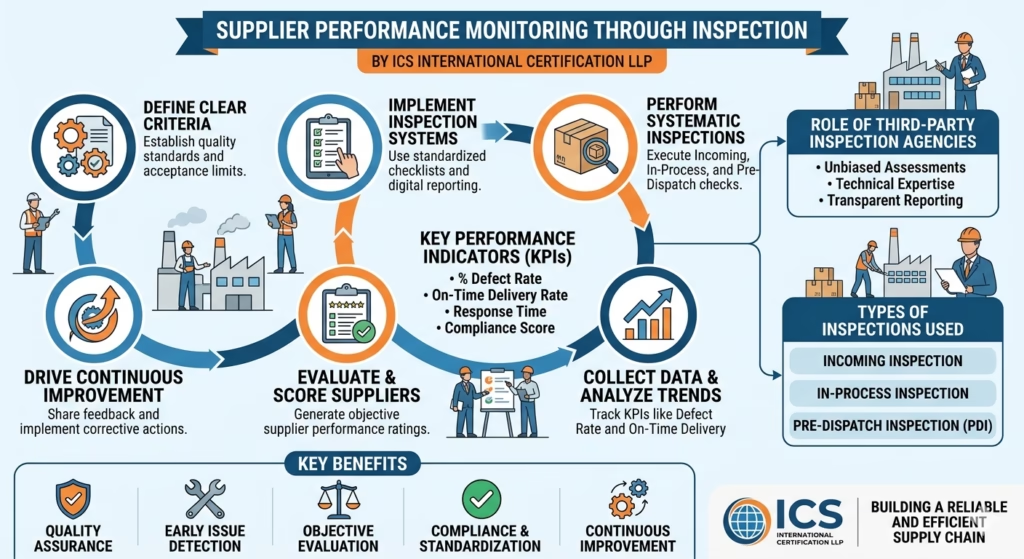
By ICS International Certification LLP
In today’s competitive and quality-driven marketplace, organizations can no longer afford inconsistencies in their supply chain. Supplier performance plays a critical role in ensuring product quality, timely delivery, and overall customer satisfaction. One of the most effective ways to maintain and improve supplier standards is through systematic inspection-based monitoring.
What is Supplier Performance Monitoring?
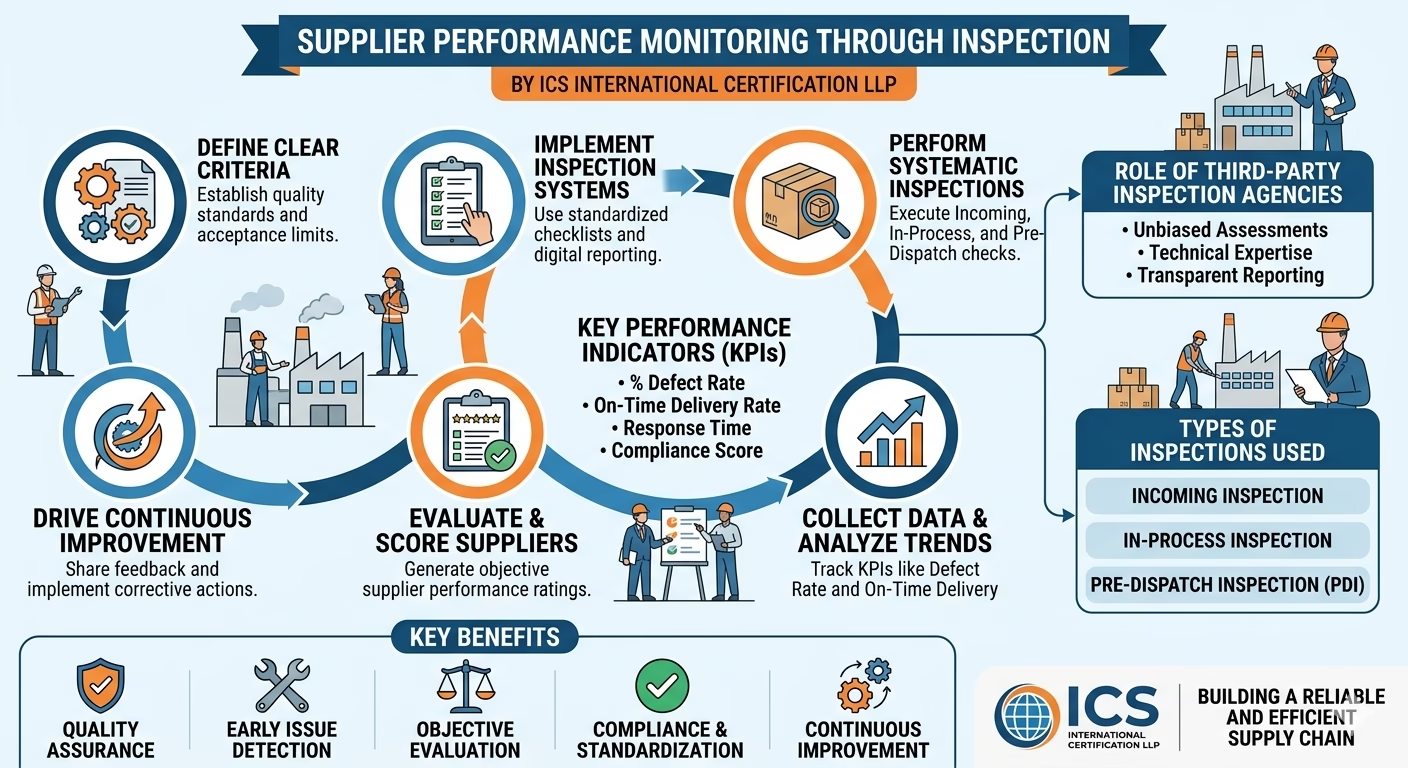
Supplier Performance Monitoring (SPM) is the process of evaluating and managing supplier activities to ensure they meet predefined quality, compliance, and delivery requirements. It involves continuous assessment using measurable indicators such as defect rates, on-time delivery, responsiveness, and adherence to specifications.
Why Inspection is Crucial in Supplier Monitoring
Inspection serves as a direct and reliable method of verifying whether supplied materials or components meet the required standards. While audits and documentation reviews provide insights, inspections offer tangible, real-time validation of supplier performance.
Key Benefits of Inspection-Based Monitoring:
1. Quality Assurance
Regular inspection ensures that incoming materials meet specified standards, reducing the risk of defects in final products.
2. Early Detection of Issues
Inspection helps identify non-conformities at an early stage, preventing costly rework, production delays, or customer complaints.
3. Objective Performance Evaluation
Inspection data provides measurable evidence that can be used to rate and compare suppliers objectively.
4. Compliance and Standardization
Ensures suppliers adhere to industry standards, regulatory requirements, and contractual obligations.
5. Continuous Improvement
Inspection findings can be shared with suppliers to drive corrective actions and long-term improvements.
Types of Inspections Used
Incoming Inspection
Conducted when materials arrive at the facility to verify quality before acceptance.
In-Process Inspection
Performed during manufacturing at the supplier’s site to ensure processes are under control.
Pre-Dispatch Inspection (PDI)
Carried out before shipment to confirm that finished goods meet all requirements.
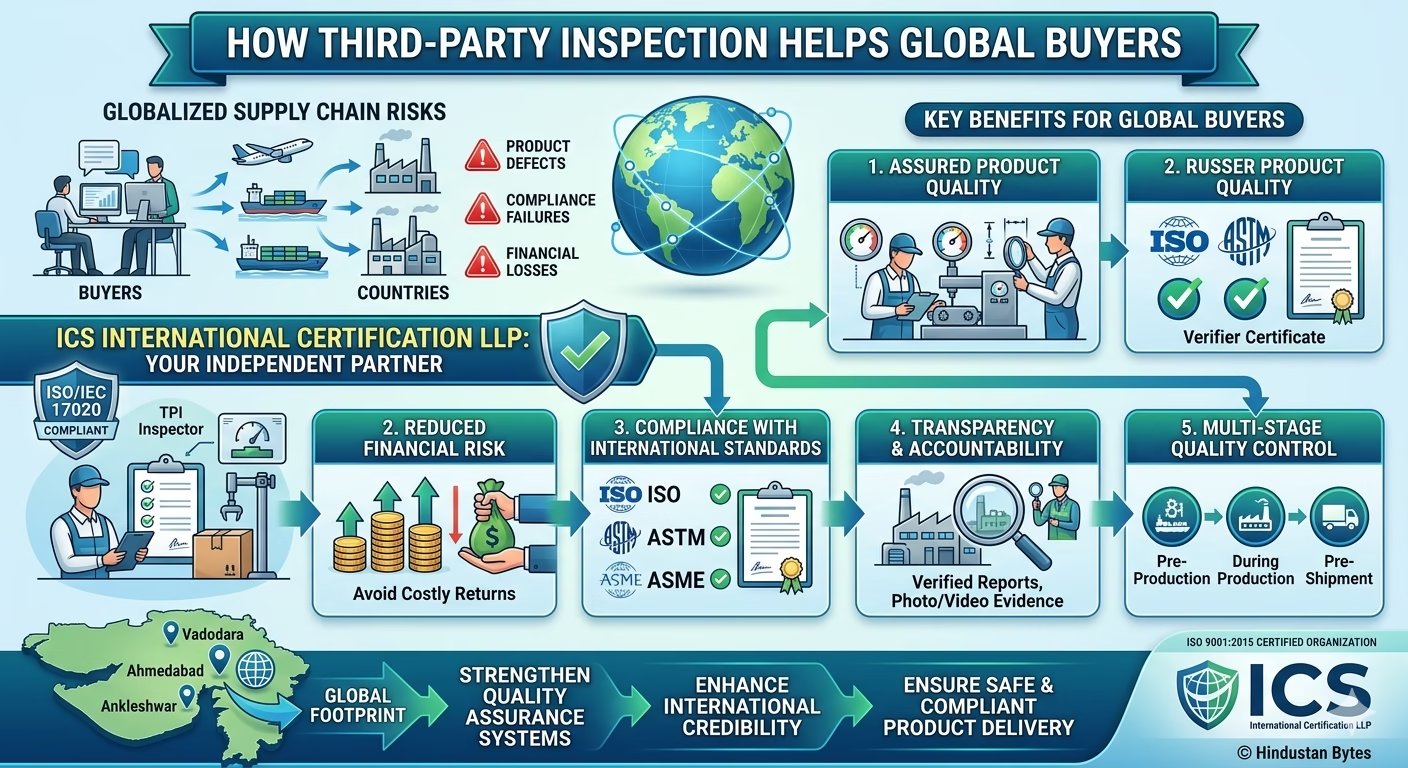
Third-Party Inspection
Independent inspections conducted by professional agencies to ensure unbiased evaluation.
Key Performance Indicators (KPIs) for Supplier Monitoring
To effectively monitor supplier performance, organizations should track:
- Defect Rate (% of rejected materials)
- On-Time Delivery Rate
- Response Time to Issues
- Corrective Action Effectiveness
- Compliance Score
Inspection results directly feed into these KPIs, making them more accurate and actionable.
Role of Third-Party Inspection Agencies
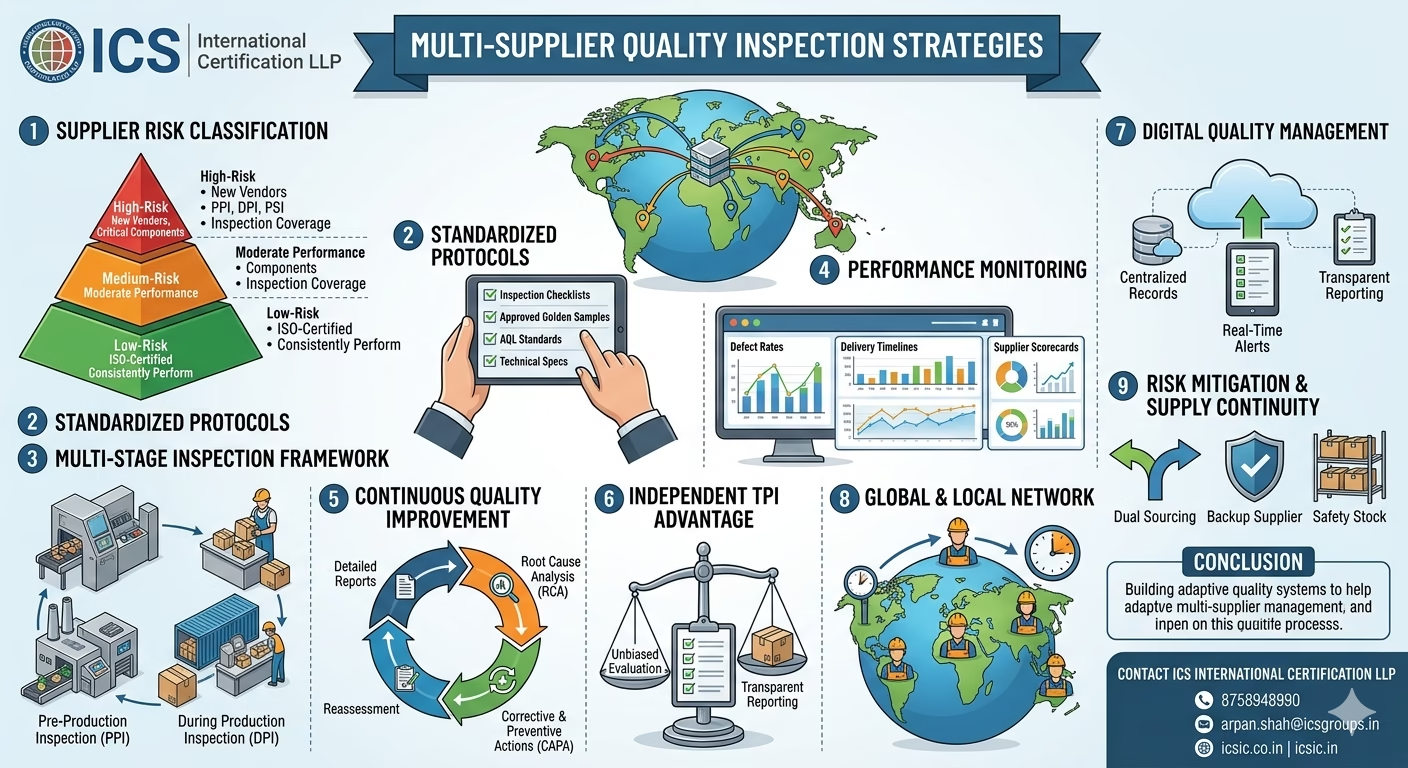
Third-party inspection bodies play a vital role in maintaining transparency and trust between buyers and suppliers. They provide unbiased assessments, technical expertise, and standardized reporting, helping organizations make informed decisions.
Best Practices for Effective Supplier Monitoring
- Define clear inspection criteria and acceptance standards
- Use standardized checklists and reporting formats
- Implement digital inspection and reporting systems
- Maintain regular communication with suppliers
- Analyze inspection data for trends and improvements
- Integrate inspection results into supplier scorecards
Conclusion
Supplier Performance Monitoring through inspection is not just a quality control activity—it is a strategic approach to building a reliable and efficient supply chain. By leveraging structured inspections, organizations can minimize risks, enhance product quality, and foster strong supplier relationships.
At ICS International Certification LLP, we specialize in providing comprehensive inspection and certification services that help businesses ensure supplier reliability and compliance. Our expertise enables organizations to achieve consistency, transparency, and excellence in their supply chain operations.
For more information about our inspection and certification services, visit our website or contact our team today.