By ICS International Certification LLP
🔍 Introduction
In today’s complex supply chains, organizations often rely on multiple suppliers across different regions. Ensuring consistent quality across all vendors is a critical challenge. At ICS International Certification LLP, we implement structured, risk-based inspection strategies to maintain uniform quality, minimize defects, and enhance supplier reliability.
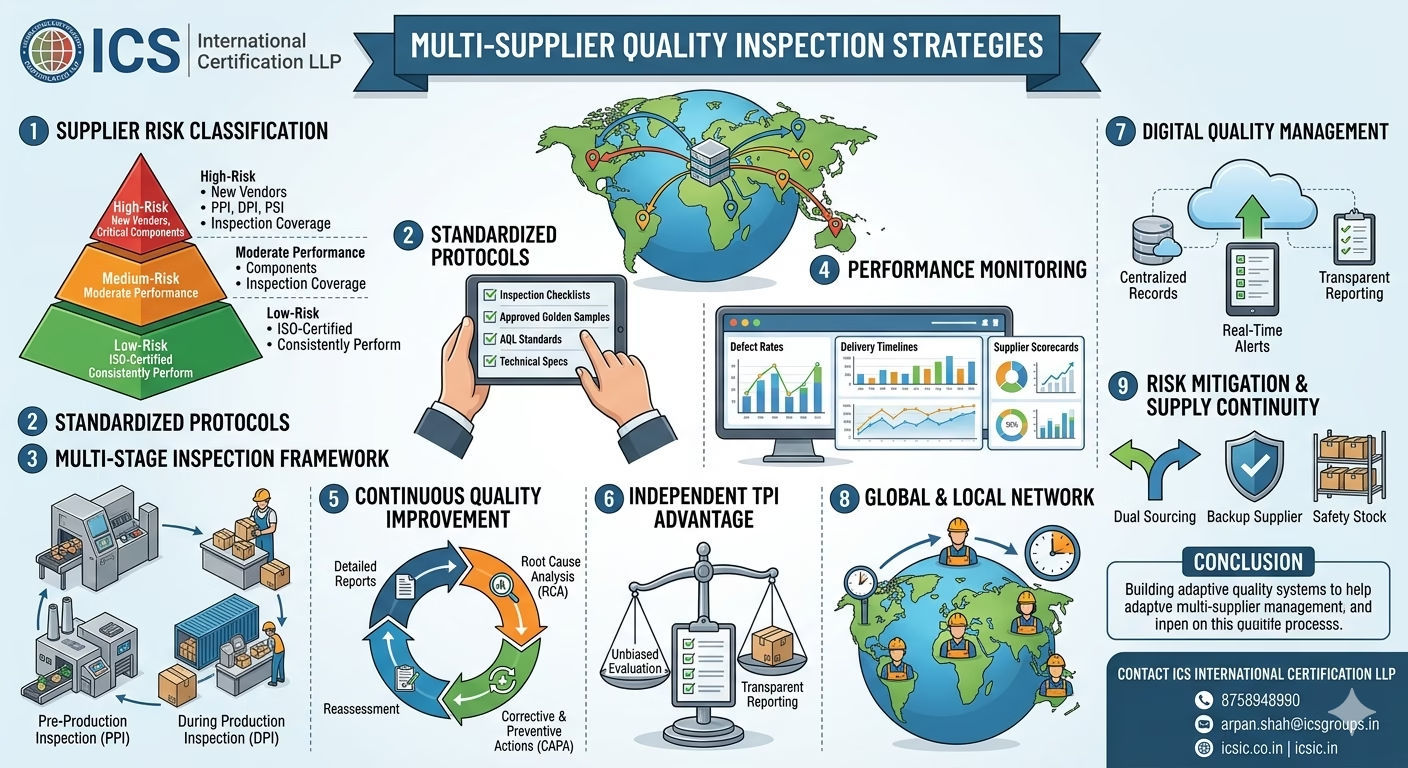
🧩 1. Supplier Risk Classification
ICS follows a risk-based supplier segmentation model:
- High-Risk Suppliers
- New or unverified vendors
- Critical components suppliers
- History of quality issues
👉 Full inspection coverage (PPI, DPI, PSI)
- Medium-Risk Suppliers
- Moderate performance history
👉 Periodic and random inspections
- Moderate performance history
- Low-Risk Suppliers
- ISO-certified, consistent performers
👉 Reduced inspection frequency with audit-based monitoring
- ISO-certified, consistent performers
🧪 2. Standardized Inspection Protocols
To ensure consistency across multiple suppliers, ICS enforces:
- Defined inspection checklists
- Approved golden samples
- Product-specific technical specifications
- Internationally accepted AQL standards
This ensures uniform evaluation regardless of supplier location.
🏭 3. Multi-Stage Inspection Framework
✔️ Pre-Production Inspection (PPI)
- Verification of raw materials
- Production readiness assessment
✔️ During Production Inspection (DPI)
- Early defect detection
- Process control validation
✔️ Pre-Shipment Inspection (PSI)
- Final product quality verification
- Packaging and labeling compliance
✔️ Container Loading Check (CLC)
- Quantity confirmation
- Proper loading and handling
📊 4. Supplier Performance Monitoring
ICS develops supplier scorecards based on:
- Defect rates
- Delivery timelines
- Compliance levels
- Audit findings
This enables data-driven decisions for supplier retention and improvement.
🔁 5. Continuous Quality Improvement
We promote a closed-loop quality system:
- Detailed inspection reports
- Root Cause Analysis (RCA)
- Corrective & Preventive Actions (CAPA)
- Periodic supplier reassessment
🧾 6. Independent Third-Party Inspection Advantage
As a neutral inspection body, ICS ensures:
- Unbiased quality evaluation
- Transparent reporting
- Global inspection coverage
- Reduced operational burden for clients
⚙️ 7. Digital Quality Management Integration
ICS leverages digital tools to:
- Track supplier performance trends
- Maintain centralized inspection records
- Generate real-time alerts
- Improve traceability and reporting
🌍 8. Global & Local Inspection Network
Our inspection strategy includes:
- Deployment of local inspectors
- Faster turnaround times
- Reduced inspection costs
- Region-specific expertise
⚠️ 9. Risk Mitigation & Supply Continuity
ICS recommends:
- Dual sourcing strategies
- Backup supplier qualification
- Safety stock planning for critical items
🧠 Conclusion
A well-designed multi-supplier inspection strategy is not static—it evolves with supplier performance. ICS International Certification LLP helps organizations build adaptive, data-driven quality systems that reduce risk, improve consistency, and ensure customer satisfaction.