By ICS International Certification LLP
In today’s competitive manufacturing environment, maintaining high production efficiency while ensuring consistent quality is essential. Inspection serves as a vital function in achieving this balance by acting as both a control mechanism and a continuous improvement tool.
Early Detection and Prevention
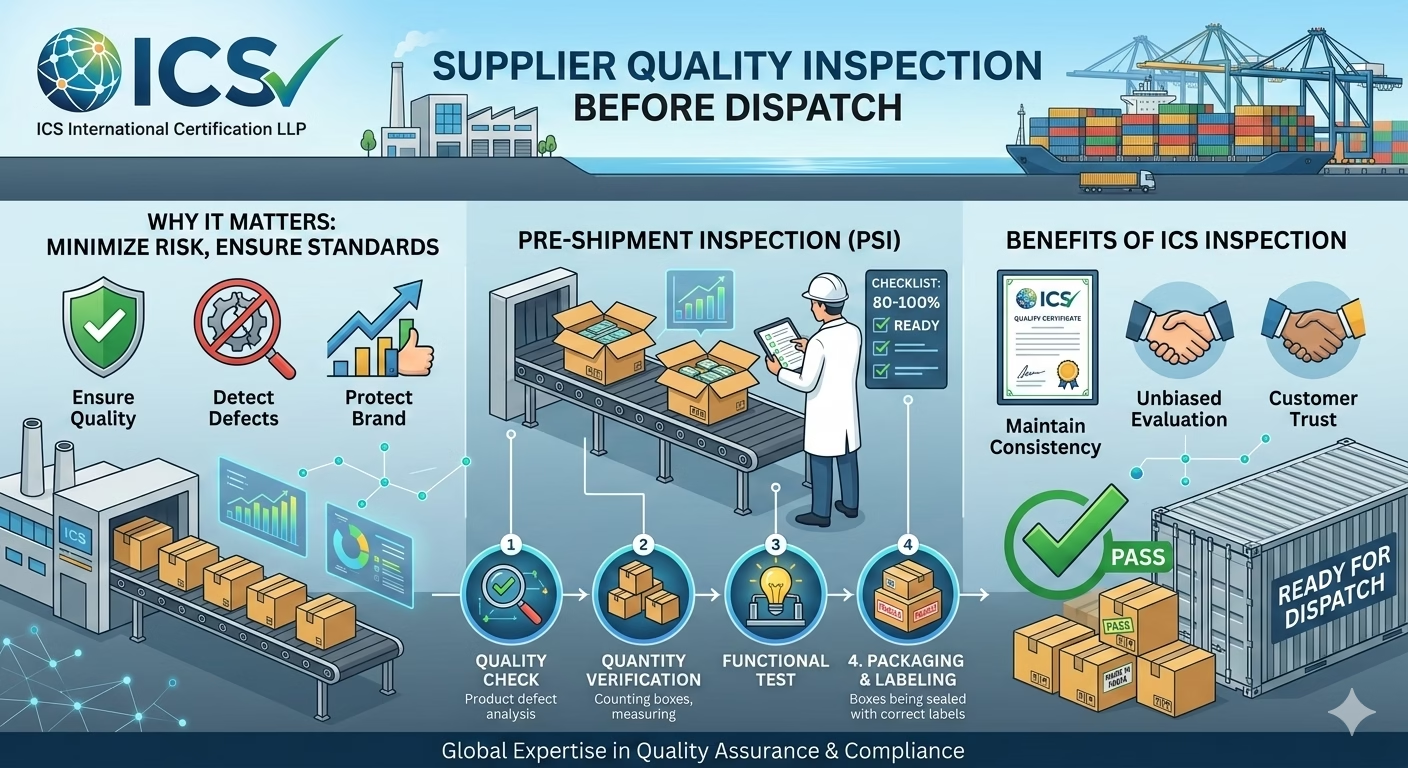
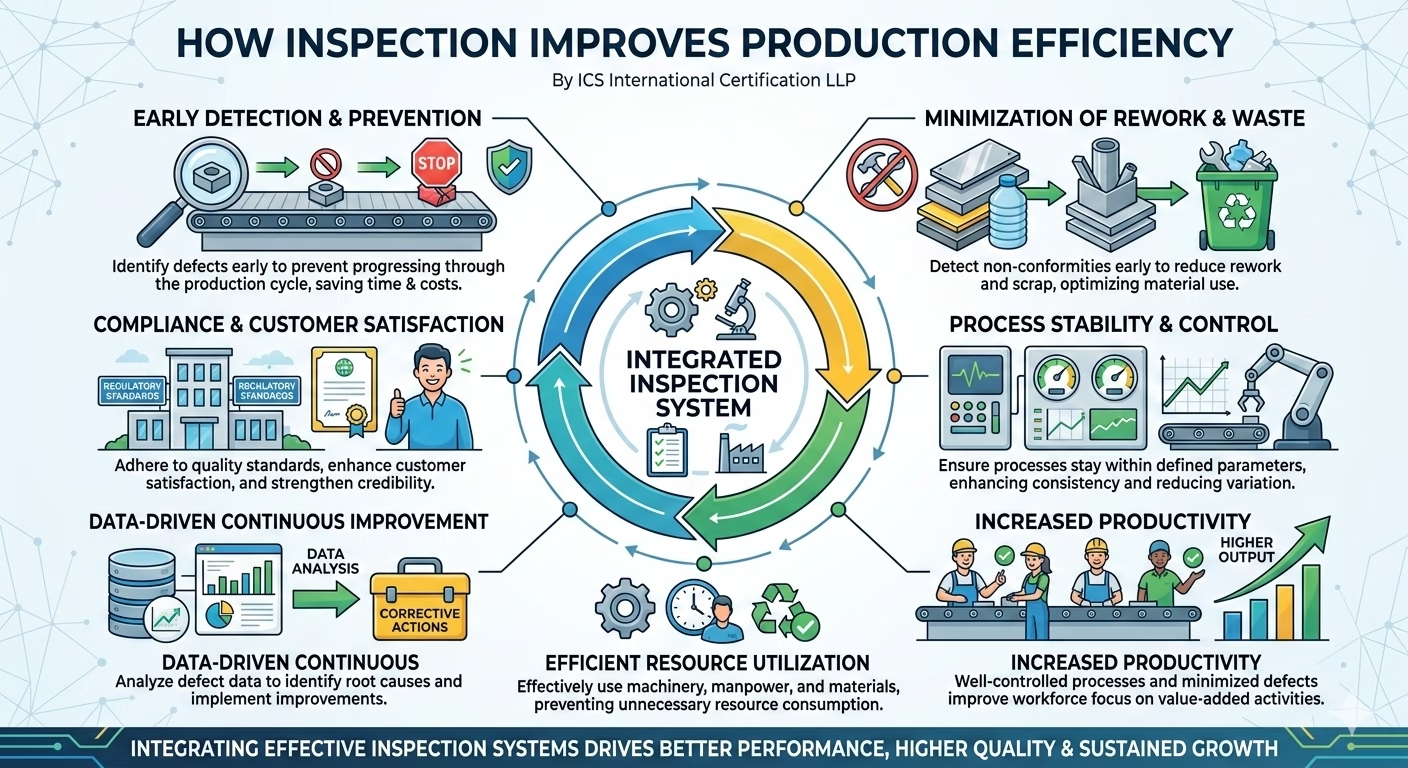
Inspection enables the identification of defects at the earliest possible stage. This proactive approach prevents faulty products from progressing through the production cycle, thereby saving time, effort, and operational costs.
Minimization of Rework and Waste
By detecting non-conformities early, inspection significantly reduces rework and scrap. This leads to optimized use of raw materials and improved cost efficiency, directly impacting overall productivity.
Process Stability and Control
Regular inspection ensures that processes remain within defined parameters and standards. This enhances consistency, reduces variation, and contributes to a more stable and predictable production system.
Increased Productivity
When production processes are well-controlled and defects are minimized, workforce efficiency improves. Employees can focus on value-added activities instead of correcting errors, resulting in higher output levels.
Efficient Resource Utilization
Inspection ensures that machinery, manpower, and materials are utilized effectively. It prevents unnecessary consumption of resources on defective products, thereby improving operational efficiency.
Data-Driven Continuous Improvement
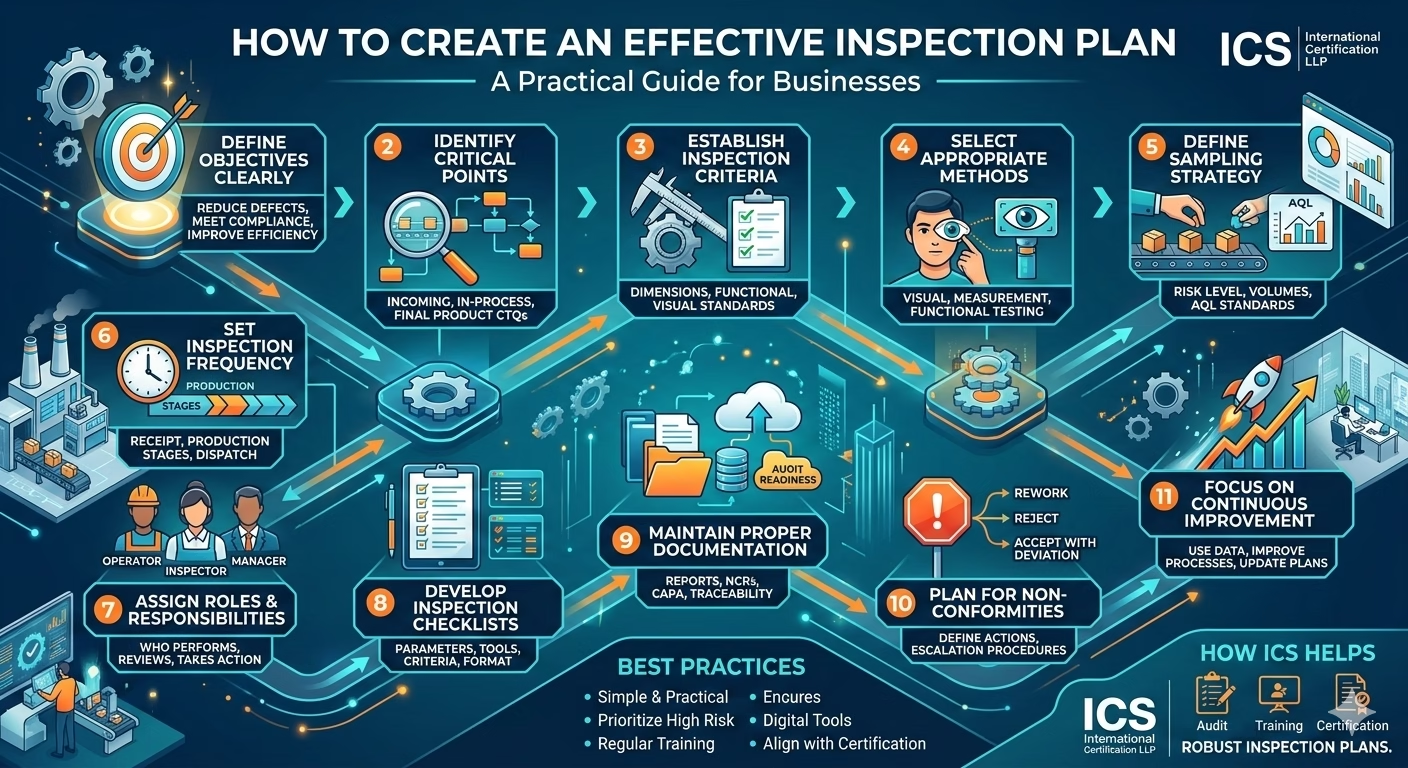
Inspection generates valuable data regarding defects and process performance. This data can be analyzed to identify root causes and implement corrective and preventive actions, fostering a culture of continuous improvement.
Compliance and Customer Satisfaction
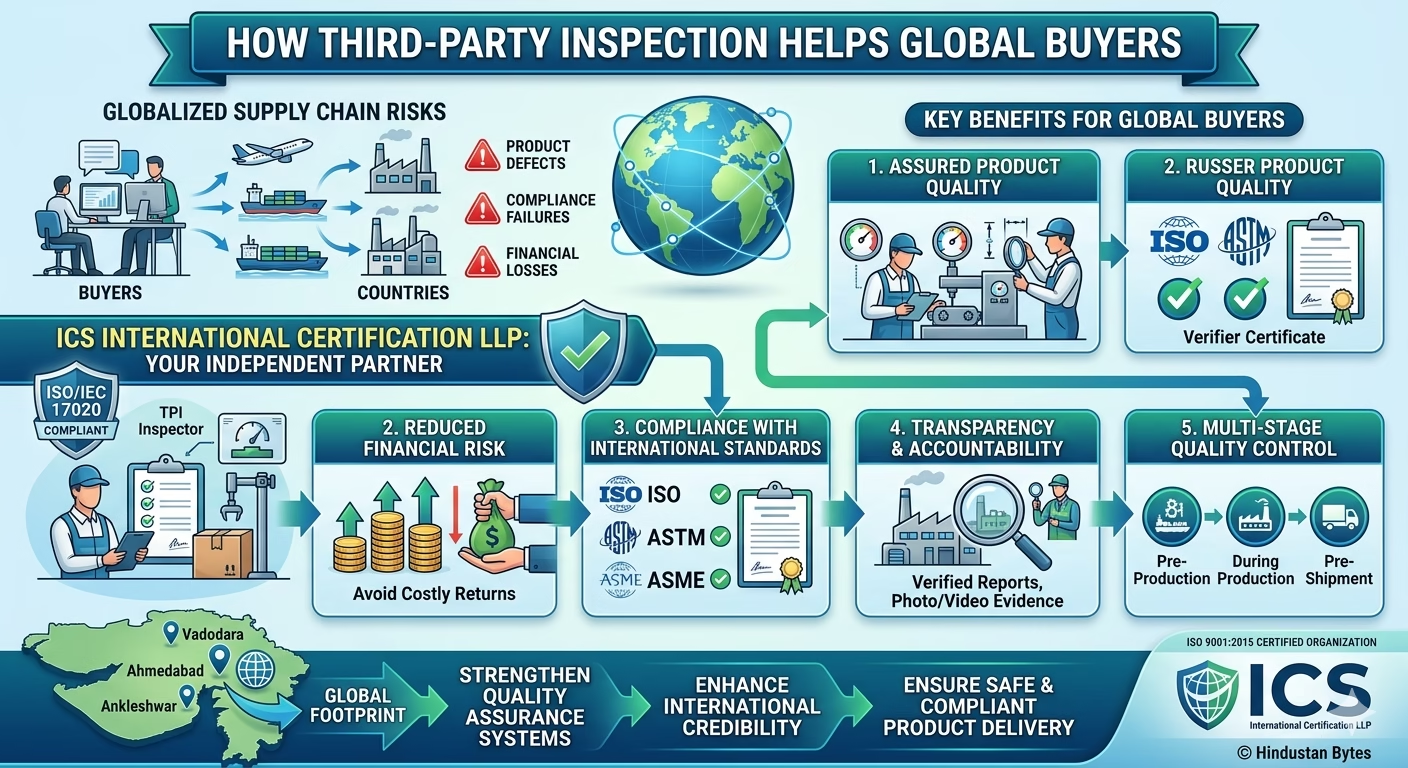
Inspection ensures adherence to regulatory and quality standards. Consistent delivery of quality products enhances customer satisfaction, reduces complaints, and strengthens organizational credibility.
Conclusion
Inspection is not merely a quality control activity; it is a strategic tool that enhances production efficiency, reduces waste, and drives continuous improvement. Organizations that integrate effective inspection systems into their operations achieve better performance, higher quality, and sustained business growth.