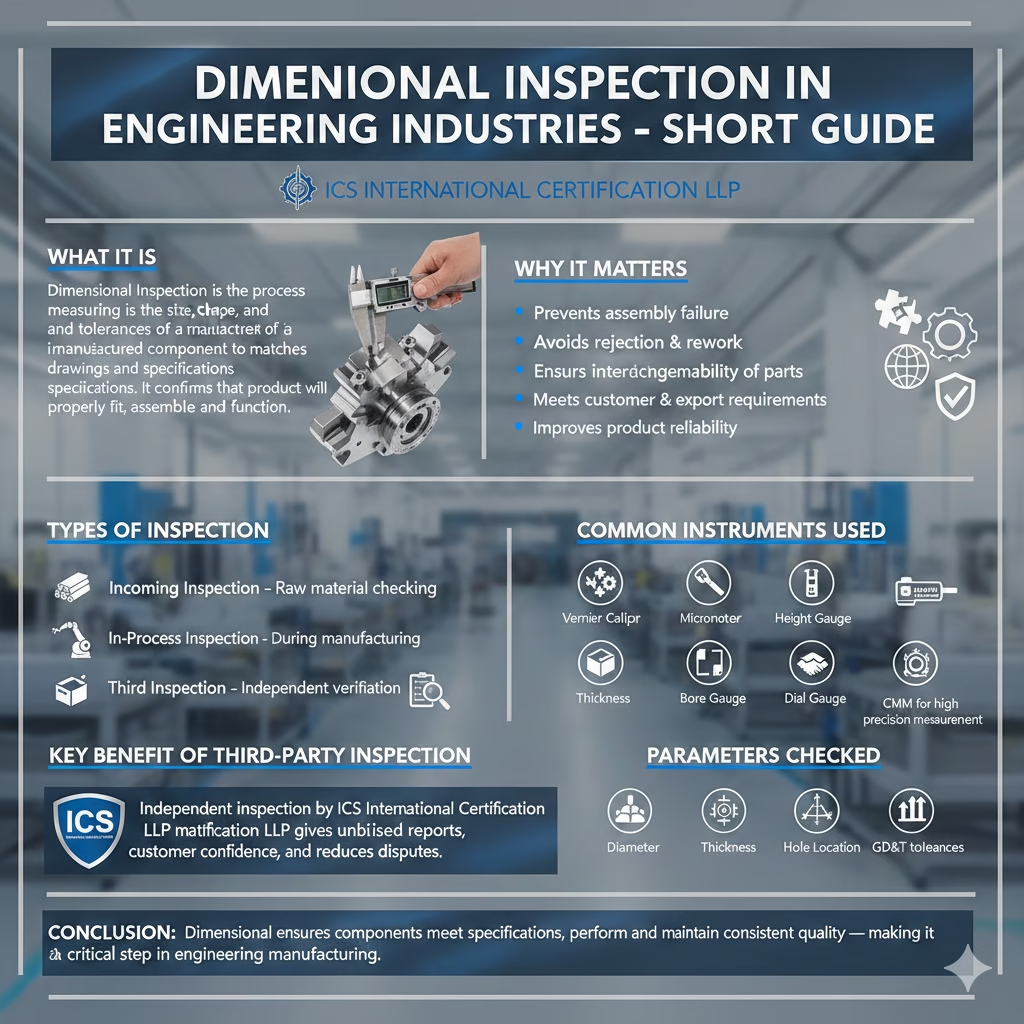
Dimensional Inspection is the process of measuring the size, shape, and tolerances of a manufactured component to ensure it matches engineering drawings and specifications. It confirms that the product will properly fit, assemble, and function.
Why It Matters
- Prevents assembly failure
- Avoids rejection & rework
- Ensures interchangeability of parts
- Meets customer & export requirements
- Improves product reliability
Types of Inspection
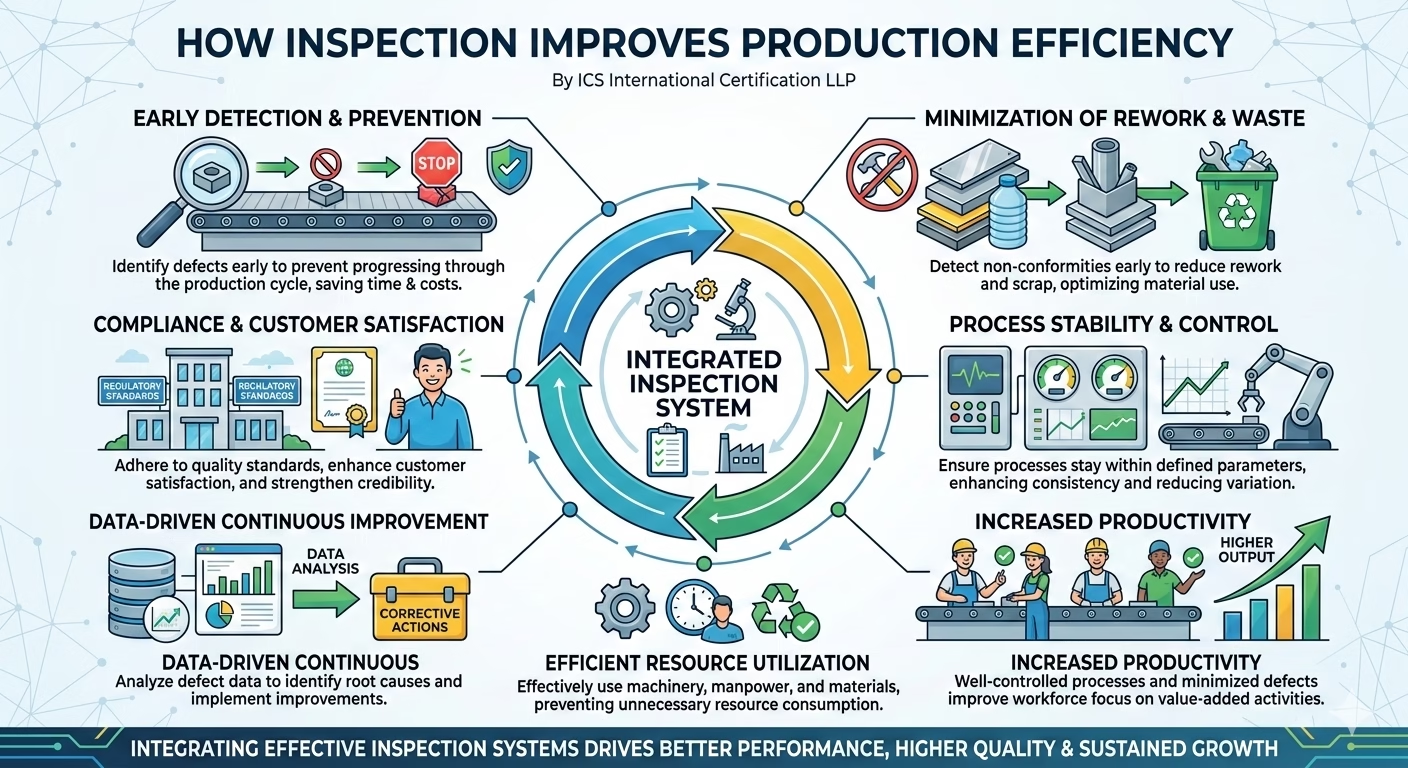
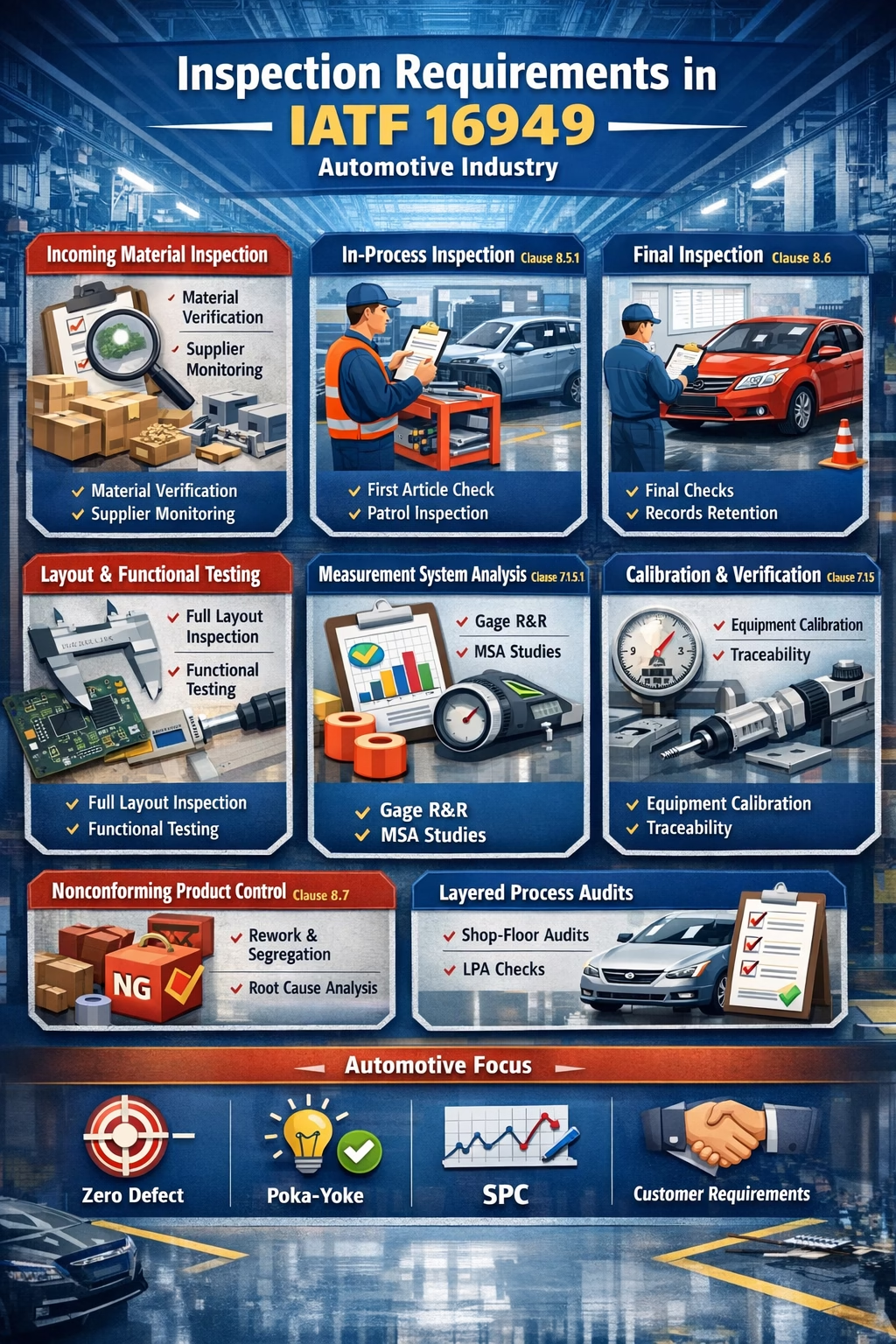
- Incoming Inspection – Raw material checking
- In-Process Inspection – During manufacturing
- Final Inspection – Before dispatch
- Third-Party Inspection – Independent verification
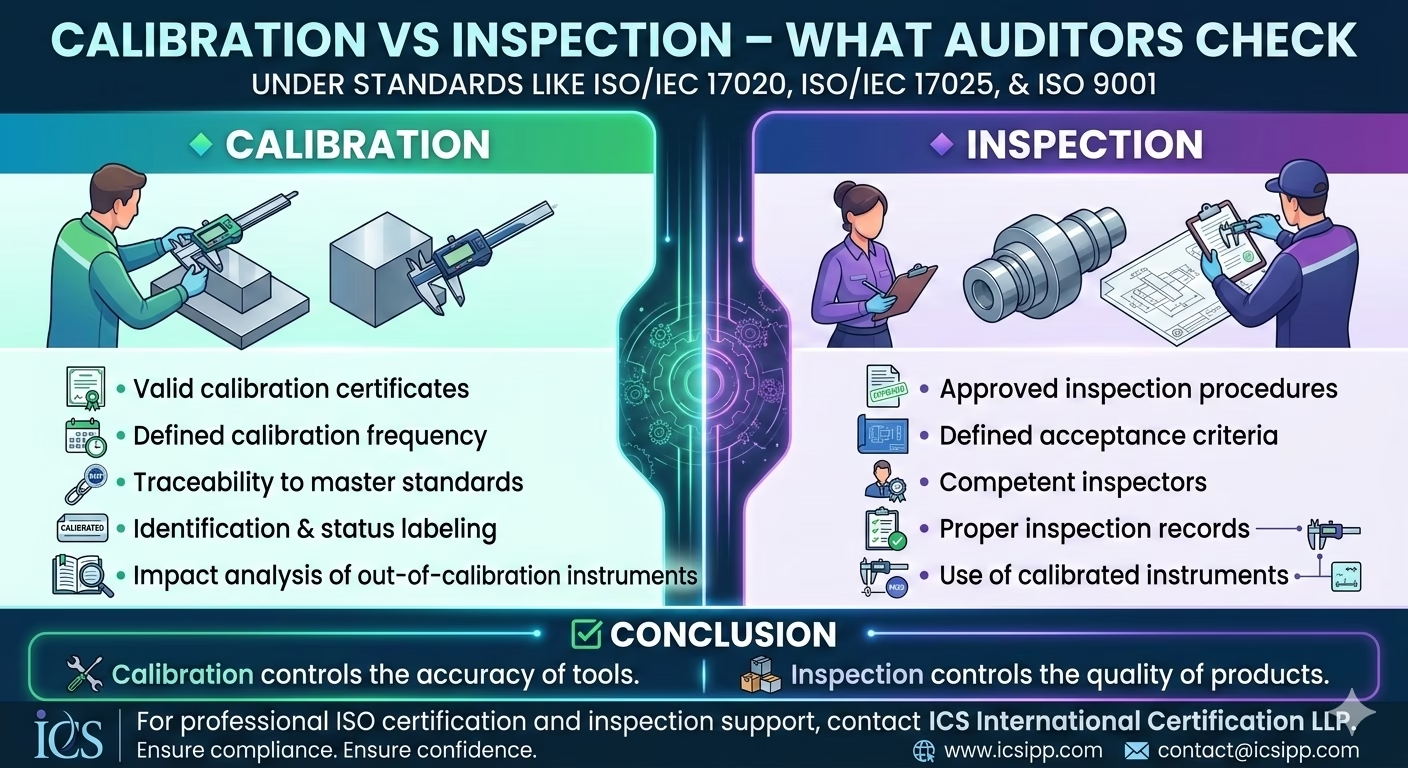
Common Instruments Used
Vernier Caliper, Micrometer, Height Gauge, Bore Gauge, Thread Gauge, Dial Gauge and CMM for high precision measurement.
Parameters Checked
Diameter, thickness, flatness, parallelism, run-out, hole location and GD&T tolerances.
Key Benefit of Third-Party Inspection
Independent inspection by ICS International Certification LLP gives unbiased reports, customer confidence, and reduces disputes.
Conclusion:
Dimensional inspection ensures components meet specifications, perform correctly, and maintain consistent quality — making it a critical step in engineering manufacturing.