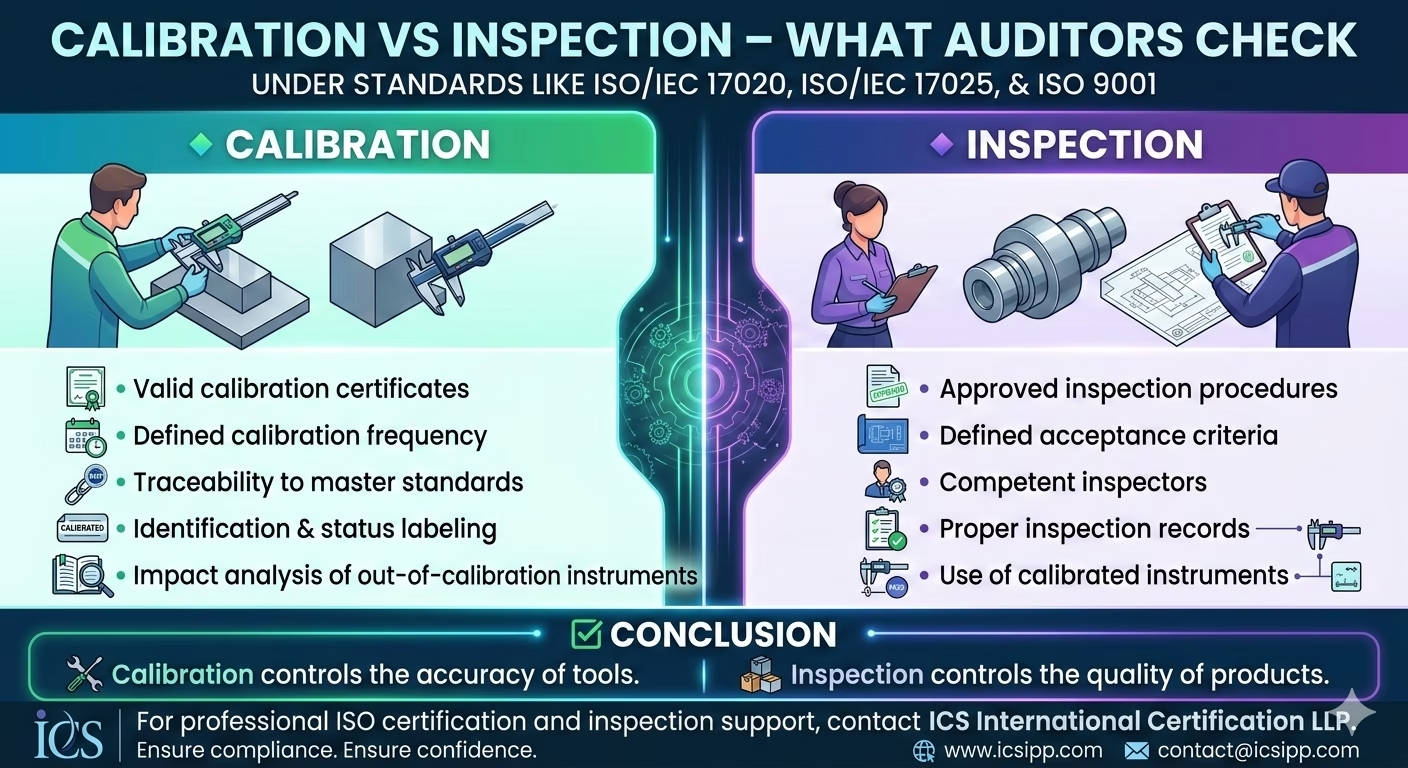
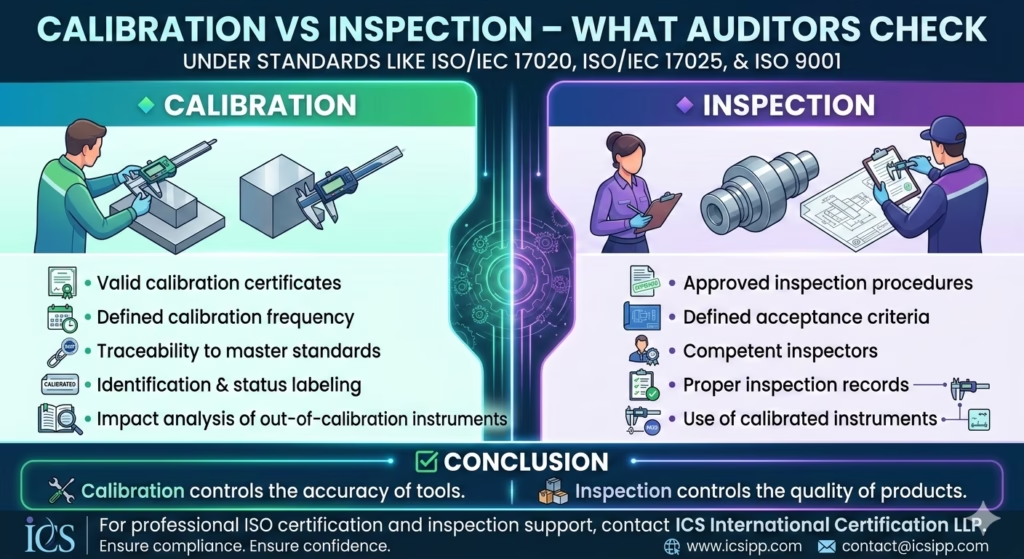
Many organizations confuse Calibration and Inspection, but auditors treat them very differently — especially under standards like ISO/IEC 17020, ISO/IEC 17025, and ISO 9001.
🔹 Calibration
Calibration ensures measuring instruments are accurate and traceable to national or international standards.
Auditors check:
- Valid calibration certificates
- Defined calibration frequency
- Traceability to master standards
- Identification & status labeling
- Impact analysis of out-of-calibration instruments
🔹 Inspection
Inspection verifies that a product meets specified requirements or drawings.
Auditors check:
- Approved inspection procedures
- Defined acceptance criteria
- Competent inspectors
- Proper inspection records
- Use of calibrated instruments
✅ Conclusion
Calibration controls the accuracy of tools.
Inspection controls the quality of products.
For professional ISO certification and inspection support, contact ICS International Certification LLP.
Ensure compliance. Ensure confidence.